Casino Bonus Types Explained: Pick the Best One
In this guide, we break down the most common offers, how they really work, and how to extract real value from them.
What Are Casino Bonus Types?
Casino bonus types are promotional offers given by online casinos to attract new players and retain existing ones. They typically come in the form of extra funds, free spins, or cashback incentives.
Casinos use these bonuses as part of a player targeting strategy:
New players → low-risk entry offers
Active players → reload or cashback incentives
High-value users → VIP rewards
The goal is simple: increase engagement while controlling risk through rules like Wagering Requirements and gameplay restrictions.
Full Breakdown of Casino Bonus Types
Welcome Bonus
A welcome bonus is the most common type of deposit-based offer. It usually matches your first deposit (e.g., 100% up to $200).
How it works:
Deposit → casino adds bonus funds
You must wager both before withdrawal
Watch out for:
High wagering requirements
Game restrictions
This bonus offers flexibility but often hides the highest playthrough conditions.
No Deposit Bonus
A No Deposit Bonus allows you to play without making a deposit.
Pros:
Zero financial risk
Ideal for testing a casino
Cons:
Low maximum cashout
Strict terms
This is the safest entry point but rarely leads to significant profit.
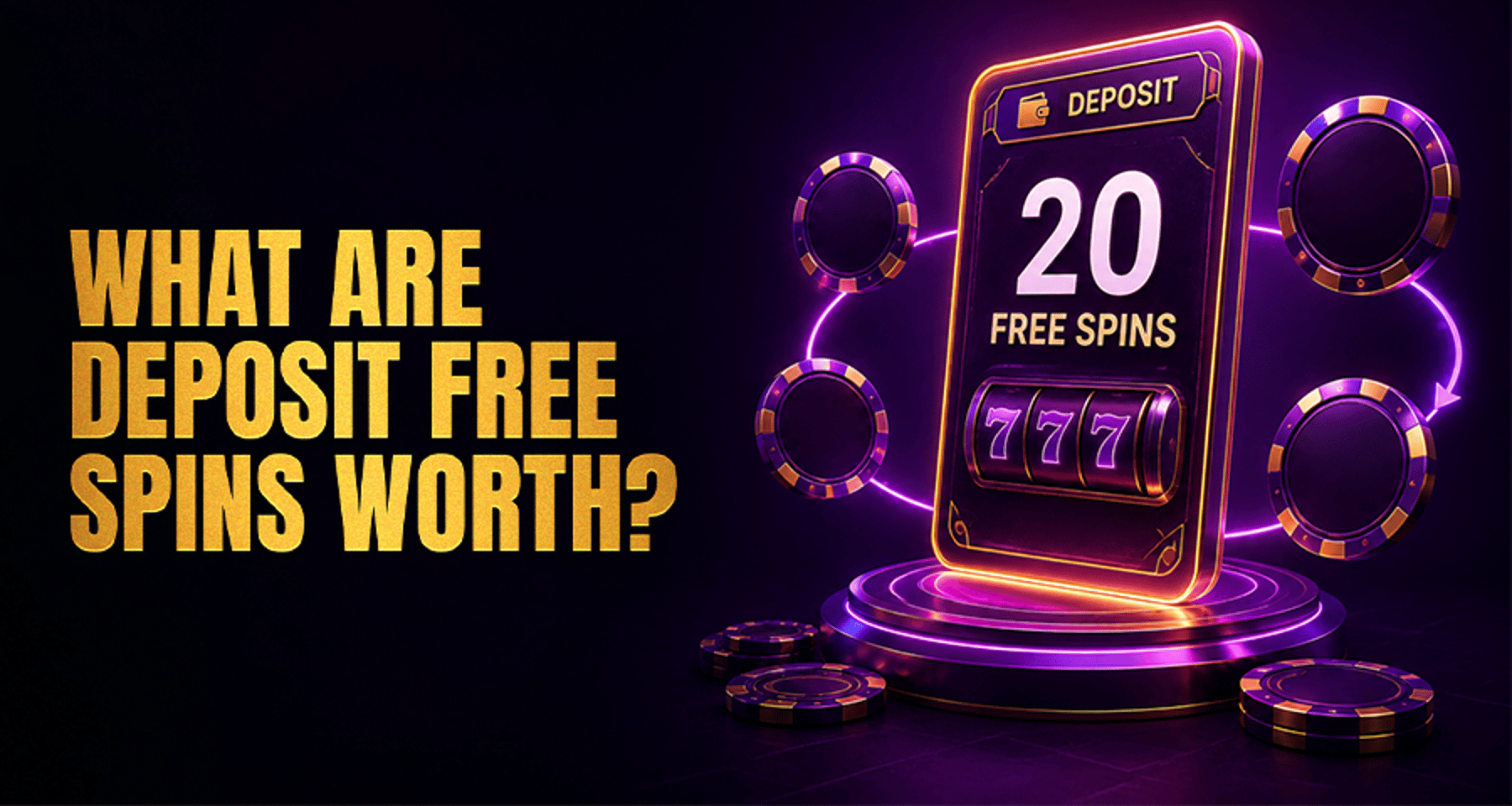
Free Spins
Free Spins are awarded for specific slot games.
Best use cases:
Exploring new slot machines
Playing high Return to Player games
Hidden restrictions:
Limited to certain games
Winnings often go into bonus balance
Free spins are simple but less flexible than cash bonuses.
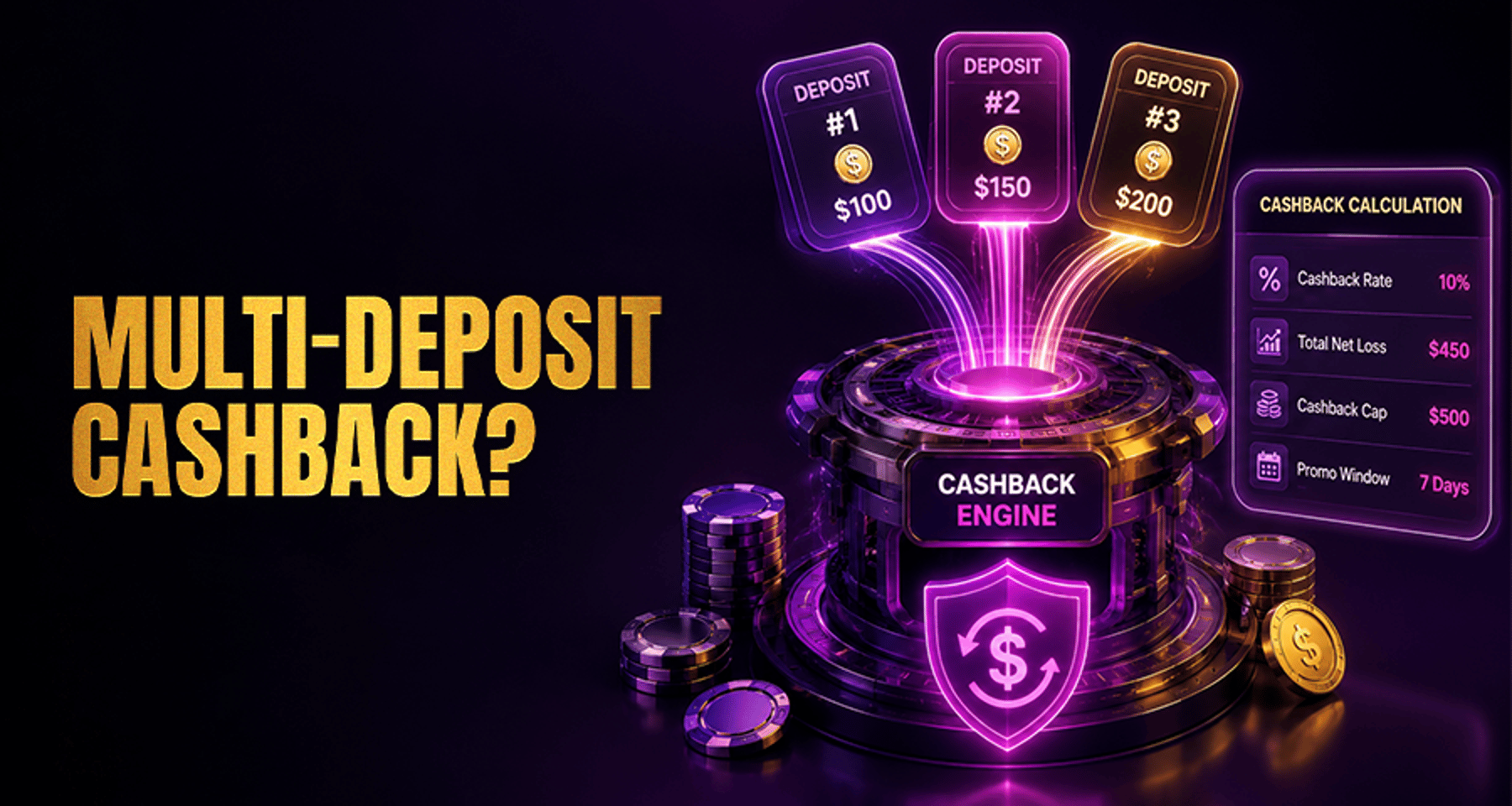
Cashback Bonus
A Cashback Bonus returns a percentage of your losses.
Why it matters:
Reduces overall risk
Extends gameplay sessions
Types:
Instant cashback
Weekly cashback
This is one of the most strategic bonuses for experienced players.
Reload Bonus
Reload bonuses are offered to existing players when they deposit again.
Advantages:
Often lower wagering than welcome bonuses
Frequent availability
Despite being overlooked, they can offer better long-term value.
VIP Program
A VIP Program rewards consistent players with perks.
Benefits include:
Higher withdrawal limits
Personalized bonuses
Faster payouts
This is designed for long-term engagement and higher spending players.
Key Differences Between Bonus Types (Comparison Table)
Bonus Type | Flexibility | Risk Level | Wagering Difficulty | Profit Potential |
Free Spins | Low | Low | Medium | Low–Medium |
No Deposit | Low | Very Low | High | Low |
Deposit Bonus | High | Medium | High | Medium–High |
Cashback | Medium | Low | Low–Medium | Medium |
VIP Program | High | Medium | Varies | High |
Insight: The best bonus is not the biggest—it’s the one with the lowest effective wagering relative to your play style.
The Hidden Rules Behind Casino Bonuses
Wagering Requirements Explained Simply
Wagering Requirements determine how many times you must play a bonus before withdrawing.
Example:
$100 bonus with 30x wagering = $3,000 total bets required
This is where most players lose value.
Game Contribution Rates
Not all games count equally toward wagering:
Slots: ~100%
Table games: 10–20%
This means playing slots often clears bonuses faster—even with higher volatility.
Expiry Dates & Max Cashout Traps
Common restrictions include:
Short expiry periods (24–72 hours)
Maximum Cashout caps
Conversion limits on free bonuses
Ignoring these rules can erase winnings instantly.
Which Casino Bonus Type Is Best for You?
Choosing the right bonus depends on your experience level:
Beginner: Free spins or no deposit bonus
Intermediate: Deposit bonus with reasonable wagering
Advanced: Cashback + VIP rewards
Decision logic:
Low risk → choose simplicity
High flexibility → accept higher wagering
Long-term play → focus on cashback and loyalty
Conclusion
Understanding casino bonus types is essential if you want to play smarter and avoid unnecessary losses. Each bonus serves a different purpose—from low-risk exploration to long-term value building. The key is not choosing the biggest offer, but the one that fits your strategy and minimizes hidden costs.