Cold Storage Crypto: Safest Way to Protect Your Assets
Protecting your crypto isn’t optional anymore; it’s survival. In this guide, you’ll learn how cold storage crypto works, which wallets are worth your trust, and how to secure your funds like a pro in 2026.
What is Cold Storage in Crypto?
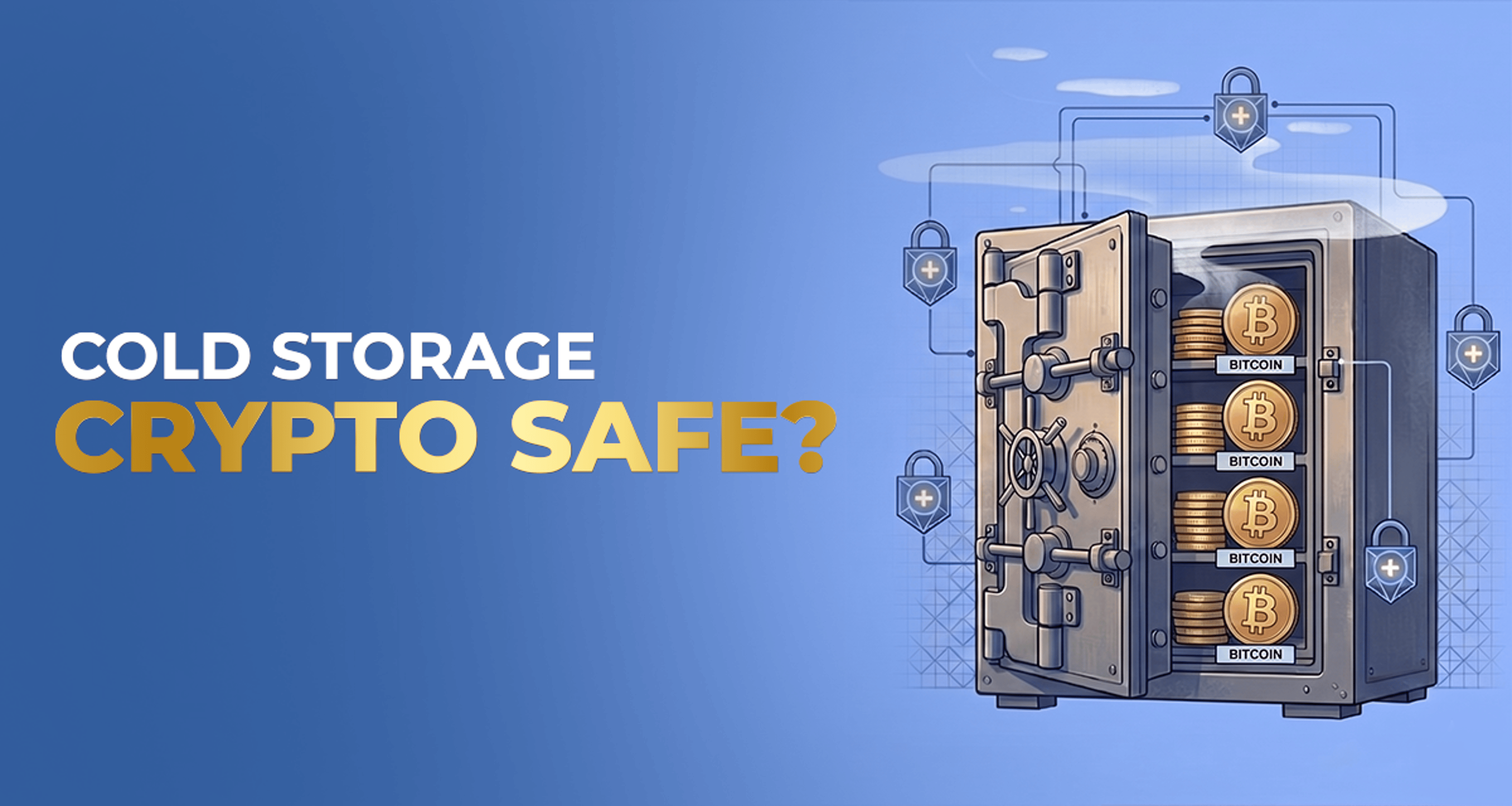
Cold storage crypto refers to storing your cryptocurrency completely offline, away from internet access. Unlike hot wallets, which stay connected, cold storage keeps your private keys isolated—making it nearly impossible for hackers to reach them.
Think of it as a vault vs your daily wallet: one is built for protection, the other for convenience.
Why Cold Storage Matters in 2026
Crypto hacks, exchange shutdowns, and phishing attacks are rising. If you’re holding assets like Bitcoin or Ethereum, relying only on online wallets is risky.
Cold storage gives you:
Full ownership (no third-party control)
Protection from online exploits
Long-term peace of mind
Cold Storage vs Hot Wallets
Hot wallets (like MetaMask) are connected to the internet. Cold wallets are not.
Feature | Cold Storage | Hot Wallet |
Internet Access | Offline | Online |
Security | High | Medium |
Speed | Slower | Instant |
Best Use | Long-term holding | Daily use |
Risks of Hot Wallets
Hot wallets are convenient but vulnerable.
Common risks include:
Phishing attacks
Malware access
Exchange freezes
Even experienced users lose funds due to simple mistakes.
Benefits of Cold Storage
Cold storage focuses on one thing: security first.
Private keys never exposed online
Protection from remote attacks
Ideal for large balances
Pro tip: Use a hybrid strategy—hot wallet for spending, cold storage for saving.
Types of Cold Storage Solutions
Hardware Wallets (Ledger, Trezor, Tangem, SafePal, Ellipal)
Hardware wallets are the most popular form of offline crypto wallet.
Top brands include:
Ledger
Trezor
SafePal
Ellipal
They store your Private Keys securely and sign transactions offline.
Paper Wallets (Pros & Cons)
A paper wallet is simply your keys printed on paper.
Pros:
Completely offline
No device needed
Cons:
Easy to lose or damage
Not user-friendly
Outdated for modern use
Air-Gapped Devices
Air-Gapped Wallet devices never connect to any network.
They offer extreme security—but require technical knowledge.
Best Cold Storage Wallets in 2026
Ledger Nano X: Balance of Security & Mobility
The Ledger Nano X is ideal for users who want both security and flexibility.
Bluetooth connectivity
Supports thousands of coins
Easy mobile integration
Trezor Model T: Maximum Security & Transparency
The Trezor Model T is known for open-source security.
Touchscreen interface
Strong transparency
Advanced features
Tangem Wallet: Mobile-Friendly Cold Storage
Tangem offers a card-based experience:
No cables required
NFC-based transactions
Beginner-friendly
SafePal S1: Budget-Friendly Cold Storage
The SafePal S1 provides strong security at a lower price point.
QR-code transactions
Air-gapped design
Affordable
Ellipal Titan: Rugged, Tamper-Proof Design
The Ellipal Titan is built for durability.
Fully sealed device
Resistant to physical attacks
No USB or Bluetooth
Setting Up Cold Storage Safely
Your Seed Phrase is your backup key.
Best practices:
Write it offline (never digital)
Store in multiple secure locations
Consider metal backups
Cold Storage for Different Use Cases
Bitcoin Long-Term Holders: Cold storage is essential for holding Bitcoin long term.
Ethereum & DeFi Users: Use cold storage for savings, hot wallets for DeFi interaction.
NFT Collectors: Protect high-value NFTs by storing them offline when not trading.
Institutional Investors: Institutions rely on multi-layer cold storage systems for security and compliance.
Conclusion
Cold storage remains the safest way to protect your crypto assets in 2026. By combining the right wallet, strong backup practices, and a smart strategy, you can significantly reduce risk. If you’re serious about protecting your funds, start using cold storage crypto today and treat your digital assets like real wealth.