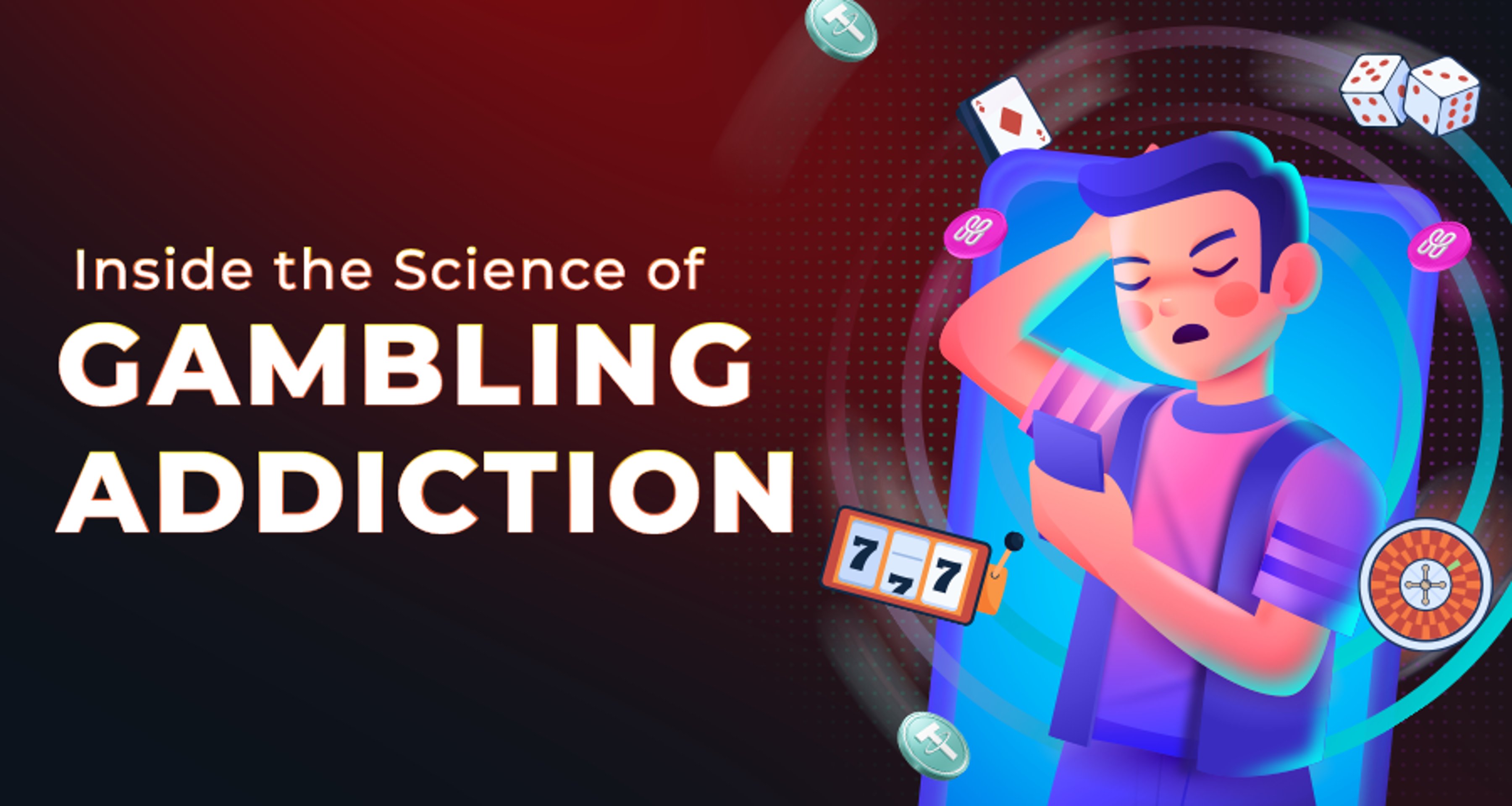
Gambling Addiction: Signs, Science & Recovery (2025 Guide)
Why are some players good after only one bet and others go out of control? Get into the science, psychology and actual accounts of recovery of gambling addiction, and how to get back into balance without losing the excitement of the game.
Why Gambling Addiction Is Relevant In 2025
Statista estimates that online gambling will grow 2025 with more than $115 billion in revenue worldwide. However, in 24/7 access, crypto gaming, and instant gameplay, there is no distinction between entertainment and obsession. What now can be a weekend rush could become a day-to-day dopamine hunt, particularly to those players who are spinning on their phones.
Meet Tony, a crypto slot player who began playing on a small scale, at 15 USDT a spin. What started as harmless fun soon evolved into protracted, late night outings. By the time he looked in his wallet he already had no money and his mind was telling him to take one more spin.
That’s how modern addiction forms not from weakness, but from design, dopamine, and digital convenience.
The Science of Gambling Addiction
How the Brain Rewards Risk
Whenever you bet something, your brain releases dopamine, a chemical that is associated with pleasure of sugar, love and excitement. That very system works even in cases when you are about to win and this time around it goes off, and you are rewarded because of the potential of winning but not the outcome. This is why the following rotation seems to be impossible to resist. It is not about luck but you have your brain continuing to pursue thrill.
According to behavioral neuroscientist Dr. Maya Klein, gambling does not just reward success, but it also conditions the brain to desire the unpredictable.
Gambling addiction does not have anything to do with greed, it has to do with the way your brain transforms risk into pleasure.
The Slot Machine Effect: Variable Reinforcement
Slot games are designed with variable reinforcement as a psychological mechanism that has been shown to have players stay longer than predictable rewards. Imagine going on social media, you do not know what post will leave you laughing. Casino games are also driven by the same mechanic.
Contemporary titles employ such effects as:
Near-miss animations
Bonus teasers and nearly triggers.
Rapid rotations (0.8 seconds on average)
All these pieces maintain the dopamine production even when you lose, and it is one of the most sophisticated reward systems created so far by online slots
Game designers are now borrowing the mechanics of TikTok and Twitch, which have an infinity scroll of spins that simulate the social circles of engagement.
Why Some People Are More at Risk
Biological & Genetic Factors
It has been reported that individuals who are highly reward sensitive or have a variation in dopamine receptors (as in the case of DRD2 gene) tend to become addicted to gambling. This implies that there are brainwires that are literally programmed to pursue the rush more than others.
Environmental & Emotional Triggers
The contemporary three that fuel problem gambling are stress, loneliness and easy access. A player browsing slot bonuses at midnight when he or she is stressed at work is in a vulnerable emotional position- precisely what casino triggers enhance.
The Psychology of Casino Design
Design Element | Trigger Effect | Behavioral Result |
Bright colors & sound | Stimulate arousal | Longer play sessions |
Near-miss visuals | Trick brain into “almost won” | Reinforced engagement |
Bonus pop-ups | Emotional excitement | Faster re-entry to game |
Level systems | Sense of progress | Reduced stop impulse |
There are online casinos with AI-based gamification, which will customize the rewards to your history of play, which makes every visit feel personalized.
Identifying Gambling Addiction Early
Catching it early is key. The following is a self-checklist to use to find warning signs:
✅ You bet to have no stress or boredom.
✅ You pursue losses or bet over your limit.
✅ You cheat on playtime or lie on spending.
✅ You are restless, when you attempt to stop.
✅ You believe that one additional deposit will solve the situation.
Denial only postpones the recovery and the less time you take to acknowledge the reality, the sooner you will be able to regain control.
Avoiding Relapse: Playing Smarter Not Harder.
The way out of addiction is not to never gamble, but to do so consciously. The following is a way of reconstructing a good relationship with risk:
Be mindful at the beginning and end of the sessions.
Visualize habits using a gambling tracker.
Automatic stop budget limits.
Make your thrill-seeking part go to work in the gym, in the stock exchange, or at the race track.
Research indicates that the best way to keep your risk energy under control and become satisfied is to redirect it to skill-based games or entrepreneurship.
Conclusion
Gambling addiction is a complicated condition yet there can be a recovery. Players can take the entertainment back and be responsible with the right tools, support and attitude. Play smart, know your limits and keep in mind the greatest victory is control.