Hidden Friction Points in Online Casino UX
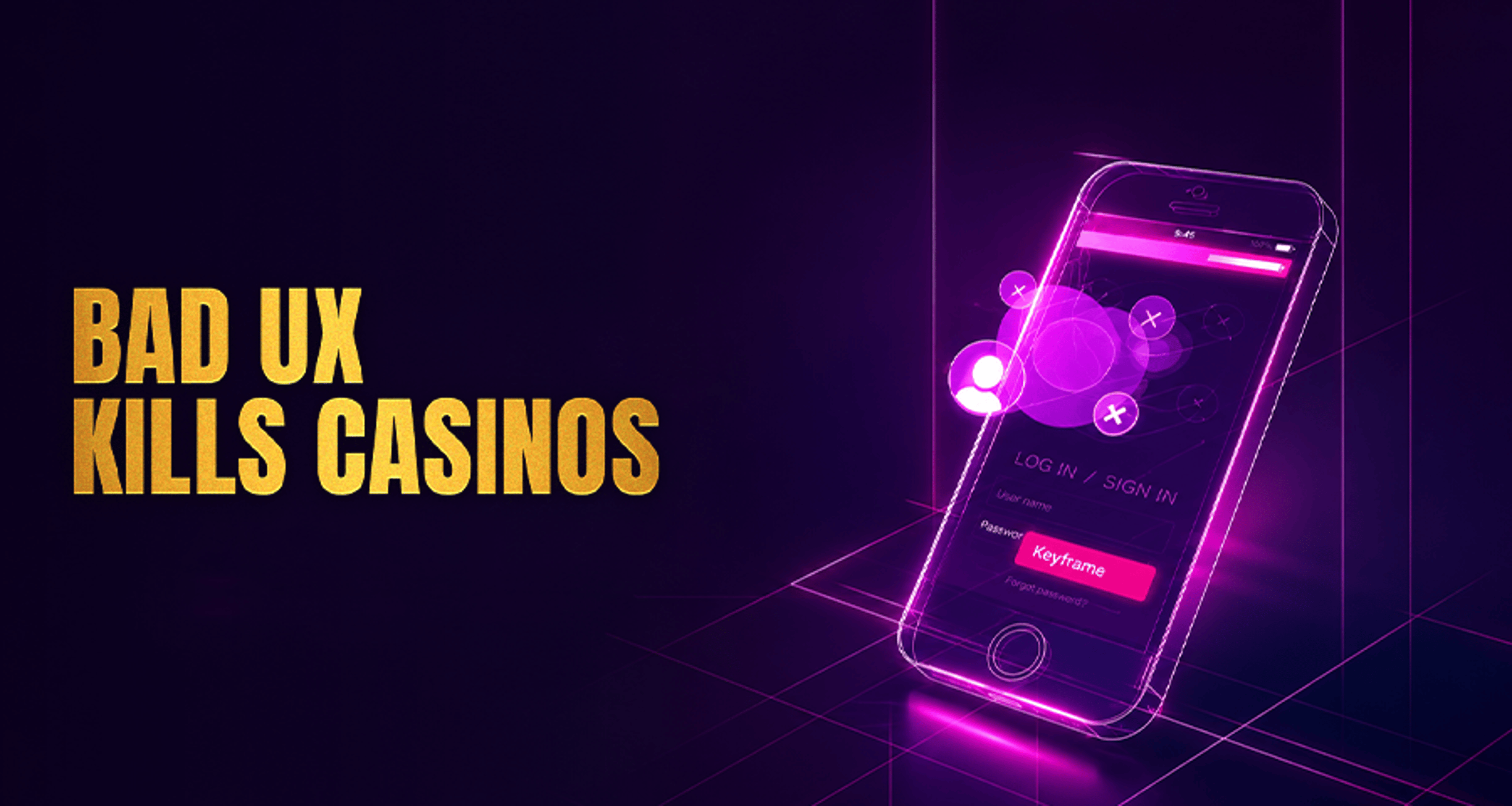
Online casino UX problems often come from hidden friction points like slow payments, confusing bonuses, and poor navigation that quietly reduce trust and player retention.
1. What Is UX in Online Casinos?
Definition of user experience (UX)
User experience (UX) refers to how players interact with and feel about a casino platform—from signing up to withdrawing winnings. In the context of online casino UX, it includes everything from interface design and navigation to speed, clarity, and emotional response during gameplay. A smooth UX feels effortless, while a poor one creates confusion and hesitation.
Why UX matters in gambling platforms
Unlike other digital products, casinos deal with real money and emotional decision-making. Even small UX issues can create doubt or frustration, directly impacting player behavior. Strong online casino user experience builds trust, encourages longer sessions, and reduces drop-offs at critical steps like deposits or gameplay.
Impact on retention and revenue
UX is directly tied to player retention. If users encounter friction—whether it’s slow loading, unclear bonuses, or payment delays—they are more likely to leave and never return. In contrast, optimized casino retention UX increases lifetime value by keeping players engaged and comfortable over time.
Insight: Good UX increases playtime—bad UX silently drives users away
2. What Are “Friction Points”?
Definition in digital platforms
Friction points are obstacles that interrupt or slow down the user journey. In online casino UX, these can be anything from confusing navigation to delayed withdrawals. They don’t have to be major errors—small inconveniences repeated over time are enough to damage the experience.
Visible vs hidden friction
Visible friction is obvious, like a broken button or failed transaction. Hidden friction is more subtle—slightly slow loading, unclear instructions, or too many steps. These issues don’t trigger complaints but gradually reduce satisfaction.
Why hidden issues are more dangerous
Hidden friction is harder to detect because users rarely report it—they simply leave. Over time, these silent drop-offs reduce engagement and conversion rates, making casino UX issues difficult to diagnose without deep analysis.
Key takeaway: Users don’t complain—they just leave
3. Onboarding Friction
Complicated sign-up process
A long or confusing registration flow is one of the biggest casino onboarding problems. When users are asked to fill too many fields or verify information too early, they often abandon the process before even trying a game.
KYC delays and confusion
Identity verification (KYC) is necessary, but poor implementation creates friction. If users don’t understand why documents are required or how long approval takes, trust drops immediately. Clear communication and progress indicators are critical.
Poor first-time user guidance
New players often don’t know where to start. Without onboarding tips, tutorials, or guided flows, they feel lost. This is a common gambling app design mistake that reduces early engagement
4. Deposit & Withdrawal Pain Points
Slow transaction processing
Speed is everything in gambling. Delayed deposits or withdrawals create anxiety and frustration. In deposit withdrawal UX casino, even a few minutes of delay can feel like a major issue when money is involved.
Hidden fees
Unexpected fees damage trust instantly. If users only discover charges at the final step, it creates a perception of unfairness—even if the platform is technically transparent.
Unclear payment methods
Too many options without explanation can overwhelm users. Players need clear guidance on fees, processing times, and supported currencies, especially in crypto casino UX problems where networks vary.
Insight: Nothing kills trust faster than money friction
5. Game Discovery Issues
Poor search and filtering
A large library is useless if users can’t navigate it. Weak filters or inaccurate search results are common casino interface design flaws that make finding games frustrating.
Overcrowded game libraries
Too many options without organization leads to decision fatigue. Players may leave instead of browsing endlessly, especially on mobile devices.
Lack of personalized recommendations
Modern users expect tailored experiences. Without smart recommendations, platforms fail to guide players toward relevant content, reducing engagement.
6. Bonus UX Problems
Confusing terms and conditions
Complex bonus rules are one of the biggest friction points in online casino UX. Long, unclear text discourages users from participating.
Hidden wagering requirements
If wagering conditions aren’t clearly visible, players feel misled. Transparency is critical to maintaining trust.
Poor bonus tracking visibility
Users want to know exactly where they stand. Without clear progress indicators, bonuses feel vague and frustrating.
Key takeaway: Complex bonuses reduce conversion and trust
7. Mobile UX Friction
Slow loading times
Mobile users expect instant performance. Even slight delays can cause drop-offs, especially in fast-paced environments like casinos.
Poor layout adaptation
Interfaces that don’t adjust properly to screen sizes create usability issues. Buttons may be too small, or content may be hard to read.
Touch interaction issues
Unresponsive buttons or accidental taps disrupt gameplay. These small issues significantly impact mobile casino usability.
8. Navigation & Interface Design
Too many clicks to access games
If users need multiple steps to start playing, friction increases. Efficient navigation is essential in online casino UX.
Cluttered UI
Overloaded screens with too many elements confuse users and reduce focus.
Inconsistent design elements
Different layouts or styles across pages create a lack of familiarity, making the platform harder to use.
9. Emotional Friction in UX
Frustration after losses
Poor UX can amplify negative emotions. For example, slow responses after a loss make the experience feel worse than it actually is.
Overstimulating design
Excessive animations and sounds can overwhelm users, leading to fatigue rather than engagement.
Lack of control features
Without tools like session limits or pause options, users may feel a lack of control—an overlooked aspect of casino UX issues.
Insight: UX is not just functional—it’s emotional
10. Retention Friction Points
Irrelevant promotions
Sending the wrong offers reduces engagement and feels spammy.
Lack of personalization
Players expect platforms to adapt to their behavior. Without this, engagement drops.
Poor loyalty program visibility
If users don’t understand rewards, they won’t stay motivated to continue playing.
11. Crypto Casino-Specific UX Issues
Wallet connection complexity
Connecting wallets can be confusing for beginners, especially across multiple networks.
Network confusion (BTC, ETH, etc.)
Users may not understand which network to use, leading to errors or delays.
Transaction confirmation delays
Blockchain confirmations can create uncertainty if not clearly explained.
Key Friction Points Summary
Area | Common Issue | Impact |
Onboarding | Complex signup | User drop-off |
Payments | Delays / hidden fees | Trust loss |
Navigation | Poor UI | Frustration |
Bonuses | Confusing terms | Low engagement |
Mobile | Performance issues | Reduced retention |
12. How Friction Impacts User Behavior
Imagine a new player joins a casino platform:
Sign-up takes 3 minutes longer than expected
Deposit page shows unclear crypto options
Bonus terms are difficult to understand
Even if each issue seems small, together they create friction. The player may leave before even placing a bet. This shows how online casino UX problems don’t need to be major to cause real damage.
13. How Casinos Can Fix UX Friction
Simplify onboarding flow
Reduce steps, offer social login, and guide users clearly.
Improve payment transparency
Show fees, processing times, and instructions upfront.
Enhance search and filters
Make game discovery fast and intuitive.
Clear bonus tracking systems
Display progress in real-time with simple visuals.
Optimize mobile experience
Focus on speed, responsiveness, and touch-friendly design.
14. Why UX Is a Competitive Advantage
Better UX = higher retention
Players stay longer when the experience feels smooth and intuitive.
Increased player lifetime value
Less friction means more consistent engagement.
Stronger brand loyalty
Users return to platforms they trust and understand.
15. Fixing the Invisible Problems
Most friction points in online casino UX are subtle—but their impact is massive. Platforms that focus on eliminating these hidden issues gain a significant competitive edge.
The best casino UX isn’t the flashiest—it’s the smoothest and most invisible
FAQ Section
What is online casino UX?
It’s the overall user experience when interacting with a casino platform.
What are friction points in UX?
Small issues that make navigation or usage difficult.
Why is UX important in online casinos?
It affects user retention, trust, and engagement.
What is the biggest UX issue in casinos?
Payment delays and unclear processes.
Do crypto casinos have unique UX problems?
Yes, especially around wallets and blockchain transactions.
How can UX be improved?
By simplifying processes, improving speed, and increasing transparency.