How Casinos Detect Duplicate Bonus Claims Without Punishing Normal Players?
How do casinos detect duplicate bonus claims? Rather than single checks, systems cross-reference IP, device fingerprints, and payment methods. This layered approach targets repeat abusers while letting players pass.
Duplicate bonus checks can feel frustrating when you are only trying to claim a promotion once and play normally. But from a casino’s side, these checks exist for a reason: welcome offers, match bonuses, and other promos are frequent targets for abuse.
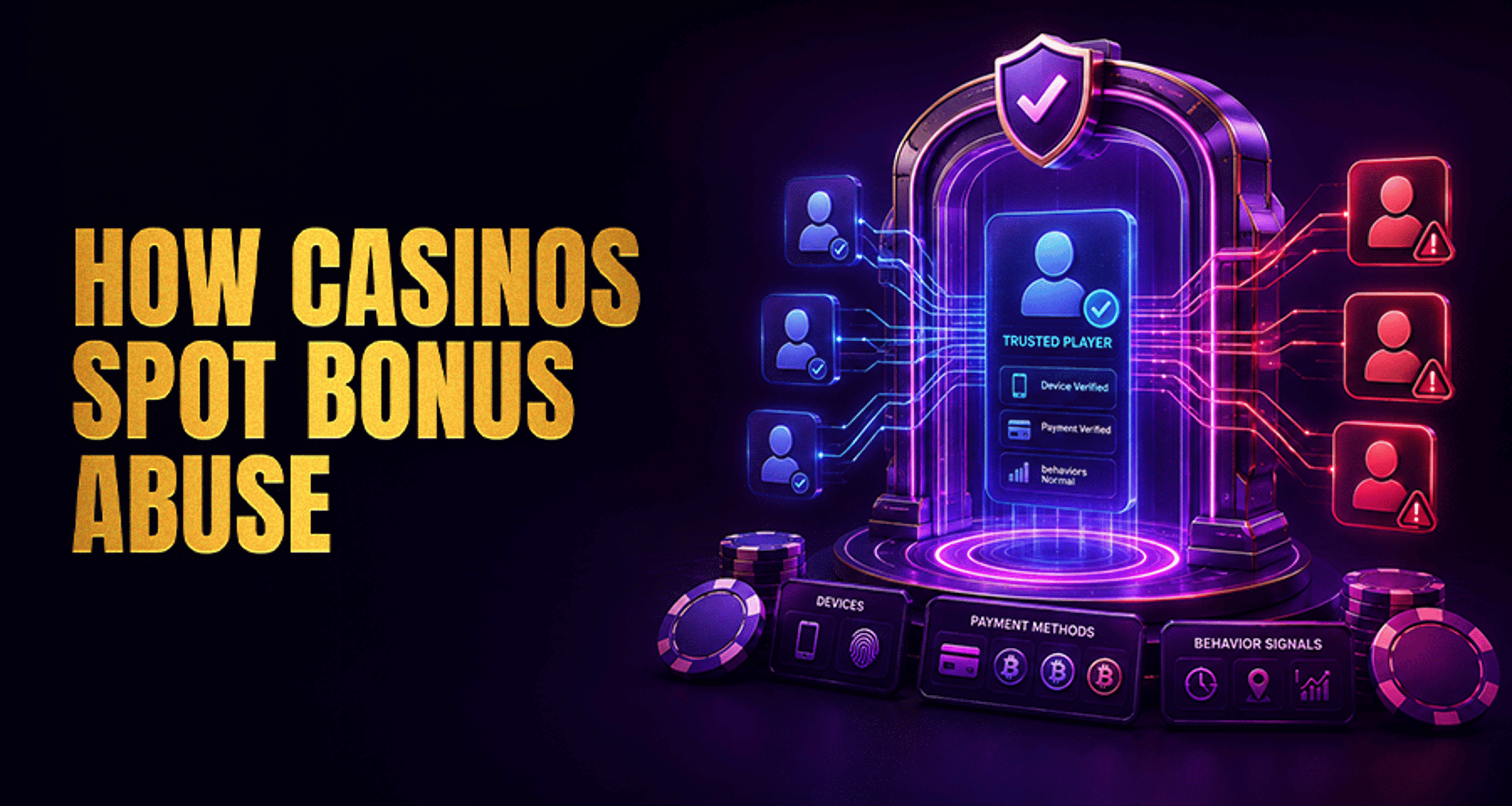
When casinos detect duplicate bonus claims, they are usually not looking for one single “gotcha” signal. Instead, they compare a mix of account details, device data, payment information, network patterns, and account behavior to decide whether multiple profiles may be connected. The goal is to stop repeat bonus abuse without blocking ordinary players who happen to share a home, Wi‑Fi connection, or device history.
This guide explains what duplicate bonus claims usually mean, what can trigger a review, why legitimate players sometimes get flagged, and what you can do to reduce false positives before claiming an offer.
What casinos mean by a duplicate bonus claim
A duplicate bonus claim usually means a casino believes the same person, household, or linked group of accounts is trying to claim the same promotion more than once when the terms only allow a single claim.
That can include:
Multiple accounts opened by the same person
Repeated attempts to claim a welcome offer on new accounts
Accounts with overlapping identity details
Shared payment methods across accounts
Device or browser activity that suggests the same user is operating more than one profile
Household-linked accounts where the promotion rules allow only one bonus per person, address, IP, or payment source
This does not always mean fraud is proven. In many cases, it simply means the casino’s risk system has found enough overlap to pause the bonus and review the accounts more closely.
Why casinos monitor for repeat bonus abuse
Casinos spend real money on promotions. If one player can open several accounts and keep reclaiming the same welcome package, the offer stops being a marketing tool and becomes a loss-control problem.
That is why casinos use duplicate-claim detection as part of broader bonus fairness and risk management. They want to:
Limit repeated first-time-offer abuse
Enforce “one bonus per player” or “one per household” rules
Protect promotion budgets
Reduce payment and identity risk
Keep bonus conditions fairer for ordinary users
This is also why bonus terms matter so much. Even when a promotion looks straightforward, the rules may limit claims by person, email, device, household, IP address, or card. Before you claim anything, it helps to understand how Online Casino Bonuses are typically structured and restricted.
Signals casinos use to spot linked bonus accounts
Casinos rarely rely on one signal alone. Most duplicate bonus reviews are based on layered checks that compare registration data with technical and behavioral patterns.
Account verification details
The first layer is usually the information you provide during registration and verification. Casinos may compare:
Full name
Date of birth
Home address
Email address
Phone number
Government ID details where verification is required
Exact matches are obvious review triggers, but near-matches can matter too. Small spelling differences, reused phone numbers, or inconsistent dates across linked accounts may lead to manual review.
IP, device, and browser patterns
Another common layer is technical fingerprinting. Casinos may look at:
Repeated logins from the same IP address
Multiple accounts using the same device
Browser configuration overlaps
App or operating-system patterns
Cookie or session-linked behavior
This is where normal players can get caught in the same net as abusers. Two family members on one home Wi‑Fi network may appear related at first glance, which is why these signals are usually reviewed alongside identity and payment data instead of being treated as automatic proof.
Payment method reuse
Shared payment information is one of the strongest duplicate-claim signals. Casinos may flag accounts that use:
The same debit or credit card
The same e-wallet account
The same crypto wallet in cases where the platform monitors wallet reuse
Bank accounts or billing details that overlap
If a casino’s terms say one bonus per player or payment method, reusing the same funding source can quickly trigger a review. That matters even if the players are different people.
Address and profile mismatches
Casinos also look for combinations that do not fit together cleanly, such as:
One address used across several “unrelated” accounts
Similar names with conflicting birth dates
Different accounts using the same surname, address, and payment source
Registration details that change repeatedly after sign-up
These mismatches do not always prove abuse, but they can make a bonus claim look less trustworthy until support reviews the account.
Gameplay timing and behavior anomalies
Duplicate-claim systems may also look at how accounts behave after the bonus is claimed. Examples include:
Several new accounts claiming the same offer within a short time
Very similar deposit timing across linked profiles
Matching play patterns that suggest coordinated use
Accounts that appear only to claim a promo and do little else
This does not mean casinos can perfectly identify intent from gameplay alone. Behavioral signals are usually stronger when they support other overlaps already found in registration or payment data.
Linked-account reviews
Once enough signals appear, a casino may connect accounts into one review case. At that point, support or risk teams may assess the full relationship between the profiles instead of judging each account separately.
That is one reason bonus mechanics matter beyond a single offer. If you are comparing recurring promos, it helps to understand how offers like a Casino Cashback Bonus or a Reload Bonus Guide 2025 fit into different account-review and eligibility rules.
Why legitimate players sometimes get flagged for review
Not every duplicate-claim review means someone did something wrong. Ordinary players can trigger checks because the same signals used to catch abuse can also appear in normal living situations.
Common examples include:
Two people in the same household using the same Wi‑Fi
Family members sharing one payment card or e-wallet
Logging in from public networks such as hotels, airports, or campuses
Using a VPN that makes account access look inconsistent
Registering on a second-hand or recycled device
Reused phone numbers from previous owners
Address formatting differences that create confusion during verification
In other words, overlap is not the same as confirmed abuse. It is simply the kind of pattern that can cause a casino to pause the bonus and ask questions.
What happens after a duplicate-claim check starts
Once a duplicate bonus check begins, the outcome can vary. There is usually no guaranteed result, because the final decision depends on the casino’s terms, the strength of the overlap, and what the review team finds.
Possible outcomes include:
The bonus is placed on hold during review
The casino asks for identity or address documents
The bonus claim is refused while the main account remains open
The account is limited pending further checks
Linked accounts are reviewed together
The bonus is approved after manual verification
A review may also take time, especially if support needs extra documents or must compare multiple accounts. If you are trying to understand whether a promotion is worth the risk of stricter conditions, related guides like Cancel Casino Bonus can help you think more carefully about offer terms before claiming.
How normal players can avoid false-positive bonus issues
You cannot control every risk signal, but you can reduce the chance of avoidable problems.
Use accurate registration details
Enter your legal name, real date of birth, correct address, and active contact information. Small inconsistencies can become bigger issues later if the casino asks for documents.
Read the bonus terms carefully
Check whether the promotion is limited to:
One claim per person
One claim per household
One claim per IP address
One claim per device
One claim per payment method
These rules are not always displayed in the headline offer, so read the detailed terms before depositing.
Avoid multi-account behavior
Do not create backup accounts, second profiles, or “fresh” registrations to retry a welcome offer. Even if the system does not react immediately, linked-account checks can happen later.
Keep verification documents consistent
If the casino requests ID, proof of address, or payment verification, make sure the documents match the account details you entered. Mismatched names, old addresses, or unclear payment ownership can prolong the review.
Be careful with VPNs and shared networks
A VPN does not automatically cause a bonus refusal, but it can make login patterns look less consistent. Shared or public networks can also create overlap with other users. If possible, claim important promotions from your normal location and device.
When to contact support before claiming a bonus
If you already know there may be household or payment overlap, contacting support before you claim can be the safest move.
This is especially useful when:
Two adults in the same home want to play separately
You share a card or payment method with a partner or family member
You recently changed address, phone number, or device
You think a previous account may still exist in your name
A short pre-claim message will not guarantee approval, but it can help create a record that you tried to clarify eligibility in advance. Ask support whether the bonus terms allow separate claims in your situation and whether extra verification is recommended before depositing.
FAQ
Can two people in the same household claim the same casino bonus?
Sometimes, but it depends on the casino’s terms. Some promotions allow only one claim per household, address, IP, or payment method. If two people in the same home want to claim separately, checking with support first is often the safest approach.
Will using the same Wi‑Fi trigger a duplicate bonus check?
It can contribute to a review, but shared Wi‑Fi alone does not always mean a bonus will be denied. Casinos usually compare network data with identity, device, and payment information before making a decision.
Can a casino block a bonus because of a shared payment method?
Yes, a shared payment method can be a strong review trigger, especially if the bonus terms limit one claim per player or payment source. That does not always decide the case by itself, but it can lead to verification.
Does using a VPN increase the chance of bonus verification?
It can. A VPN may make your access location or connection pattern look inconsistent, which can increase scrutiny during a bonus claim review.
What documents might a casino request during a duplicate bonus review?
A casino may ask for proof of identity, proof of address, and verification related to the payment method used on the account. The exact documents vary by operator and situation.
Can a legitimate player recover a withheld bonus after manual review?
Sometimes. If the review finds the account is legitimate and the player meets the bonus terms, the casino may approve the claim after manual checks. But outcomes differ, and there is no guaranteed result.
Final takeaway
When casinos detect duplicate bonus claims, they are usually assessing overlap across identity details, devices, networks, payment methods, and account behavior rather than reacting to one signal in isolation. That helps them target repeat bonus abuse, but it can also pull normal players into review when households, devices, or payment sources overlap.
The safest approach is to use accurate details, read the full bonus terms, avoid multi-account behavior, and contact support early if your setup could look linked to another player. Before claiming a promotion, review the account-verification requirements and support policy carefully, then explore HunnyPlay’s related bonus-mechanics guides to choose offers with clearer conditions and fewer surprises.