Inside the Poker Mind: Charms, Tells & Table Rituals
Behind every poker hand lies a universe of superstitions, subtle signals, and ritual-like habits. From charms to tells, here’s how poker culture thrives in both real and live casino rooms.
Why Poker Rooms Feel Like Their Own World
Poker isn’t just competition. It's a community mixed with psychology. Every room has its own “temperature,” shaped by players who bring their quirks, fears, and superstitions to the felt. What keeps people hooked isn’t only winning hands, it’s the emotional theatre.
You don’t need to be a seasoned grinder to feel it. Even beginners sense that the room has rules behind the rules. The mix of ritual and silence creates a setting where every move feels meaningful.
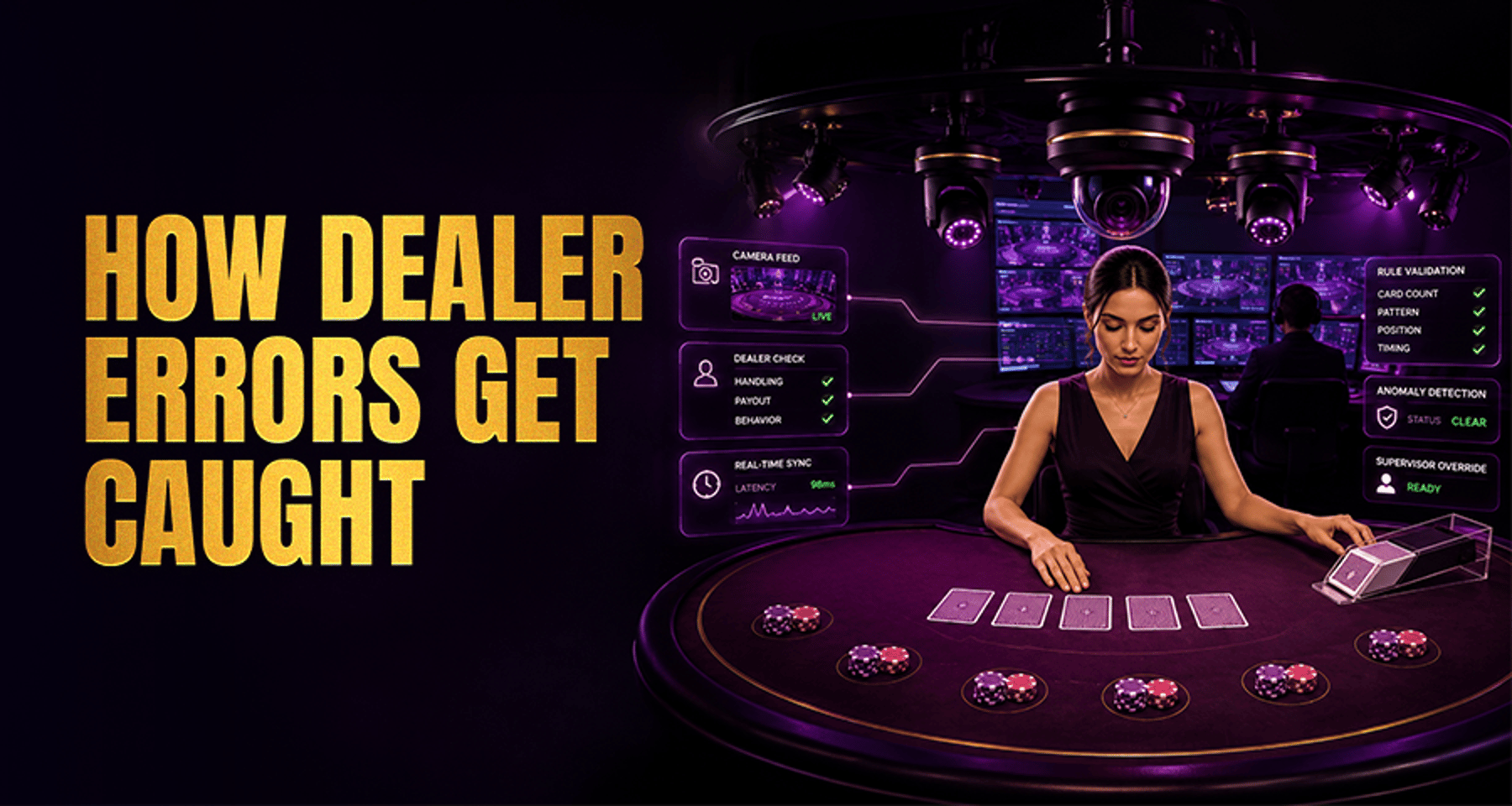
Live casino poker recreates that mood surprisingly well: the dealer, the eye contact, the pacing of bets. It’s all built to mirror the energy of a real poker room.
Lucky Charms: The Objects Players Swear Bring Them Good Fortune
Spend five minutes at a poker table and you’ll see someone protect their chips with a coin, a small figurine, or a worn-out card protector. These items look random, but to many players, they’re anchors. They ease nerves, restore confidence, and tell the brain “you’re safe here.”
Some keep a silver dollar for luck. Others bring a rabbit’s foot, a crystal, a bracelet from a loved one, or that one “lucky hoodie” they swear works every time.
Why do charms matter?
Because poker is unpredictable. And when you face uncertainty, the mind grabs onto anything that gives control, even a small symbolic object.
Live casino poker has its own version:
Players keep their charms next to the keyboard,
Some tap their desk before a big hand,
Others sit in the same “lucky spot” every session.
Even behind a screen, rituals create comfort. The charm becomes part of the player’s identity.
Silent Codes: The Non-Verbal Language of Poker Rooms
Poker has a language built on everything except words. You’ll see someone raise their eyebrows to show respect, tap the table as a sign of acknowledgement, or freeze completely when facing pressure. These gestures aren’t accidental, the room teaches them to you over time.
A seasoned player can “speak” without saying anything:
A deep exhale means uncertainty.
A sudden stillness usually means strength.
A casual shrug may be a mask for nerves.
A slow chip shuffle can be dominance or distraction.
No one explains these signals in a rulebook, but poker culture passes them down.
Even online, players create their own silent cues: fast bets, slow calls, instant checks. These timing patterns act like digital body language. Live casino platforms amplify this, letting you read reactions from real dealers and other players in subtle, unexpected ways.
The Unwritten Rules Every Poker Player Follows
Poker rooms run on etiquette. Not laws, but social agreements. They keep the game running smoothly and prevent unnecessary tension. You won’t find these rules printed anywhere, but break them and the vibe of the entire table shifts instantly.
Players know not to celebrate too loudly after a big win. They avoid commenting while a hand is still alive. They don’t slow-roll opponents or offer unsolicited advice. These aren’t rules of the casino; they’re rules of respect.
Without them, poker would feel chaotic and hostile. Poker culture depends on these unspoken boundaries because they create fairness, trust, and flow.
Even in live casino poker, players follow these norms out of habit. The etiquette travels with the player, not the venue.
Reading Tells: The Art Behind the Myth
Reading tells isn’t just about spotting someone scratching their nose or tapping their feet. It’s a study in rhythm, timing, and emotional patterns. What makes tells fascinating is that they’re cultural. Players learn to express or hide emotions based on experience at the tables.
A beginner may unconsciously fidget when they hold a big hand. A veteran knows how to breathe evenly to avoid giving anything away.
Tells aren’t magic. They’re the sum of small inconsistencies: How quickly someone bets, how confidently they stack chips, how often their eyes drift from the dealer.
In live casino poker, tells still exist - but they change form. The biggest online tell is timing. A snap-raise often signals strength. A long pause followed by a call suggests hesitation. Live dealer rooms bring back the face-to-face side of tells, giving players the best of both worlds.
From Felt to Screen: How Live Casino Recreates Poker Rituals
You might think traditions would be lost in the digital jump. But live casino poker kept more culture intact than you’d expect.
The dealer still controls the pace.
The table layout still mimics a real poker room.
Players interact through chat in ways that mirror real conversation.
Many still bring lucky charms to their desks.
And timing tells remain just as important.
The biggest difference? Accessibility. You don’t need to fly to Vegas or walk into a poker club. You can join a table instantly, yet still feel the tension and culture that define the game.
Poker rituals translate well because they’re emotional, not physical. If you feel the game, you carry the culture with you.
Why These Rituals Matter And What They Reveal About Poker Culture
Poker culture isn’t built on the cards. It’s built on the people. The rituals, the silence, the superstitions, they form a shared identity among players. They create trust, reduce stress, and bring a sense of belonging.
The game is always competitive, but these habits make it human. Players come for the money, but they stay for the atmosphere even when the room is digital.
Live casino poker works because it taps into those traditions instead of ignoring them. It keeps the game grounded in the culture that players have shaped for decades.
Poker Is More Than a Game, It’s a Culture
The longer you spend around poker, the more you realize that the cards matter less than the people holding them.
Every lucky charm, every quiet nod, every breath before a call adds character to the table. Whether you’re sitting in a real poker room or joining a live dealer table from home, the rituals follow you.
Poker culture isn't written. It’s felt, hand by hand, glance by glance, ritual by ritual. If you want the real experience, the kind that feels alive, step into a live casino poker room. The game starts long before the cards hit the table.