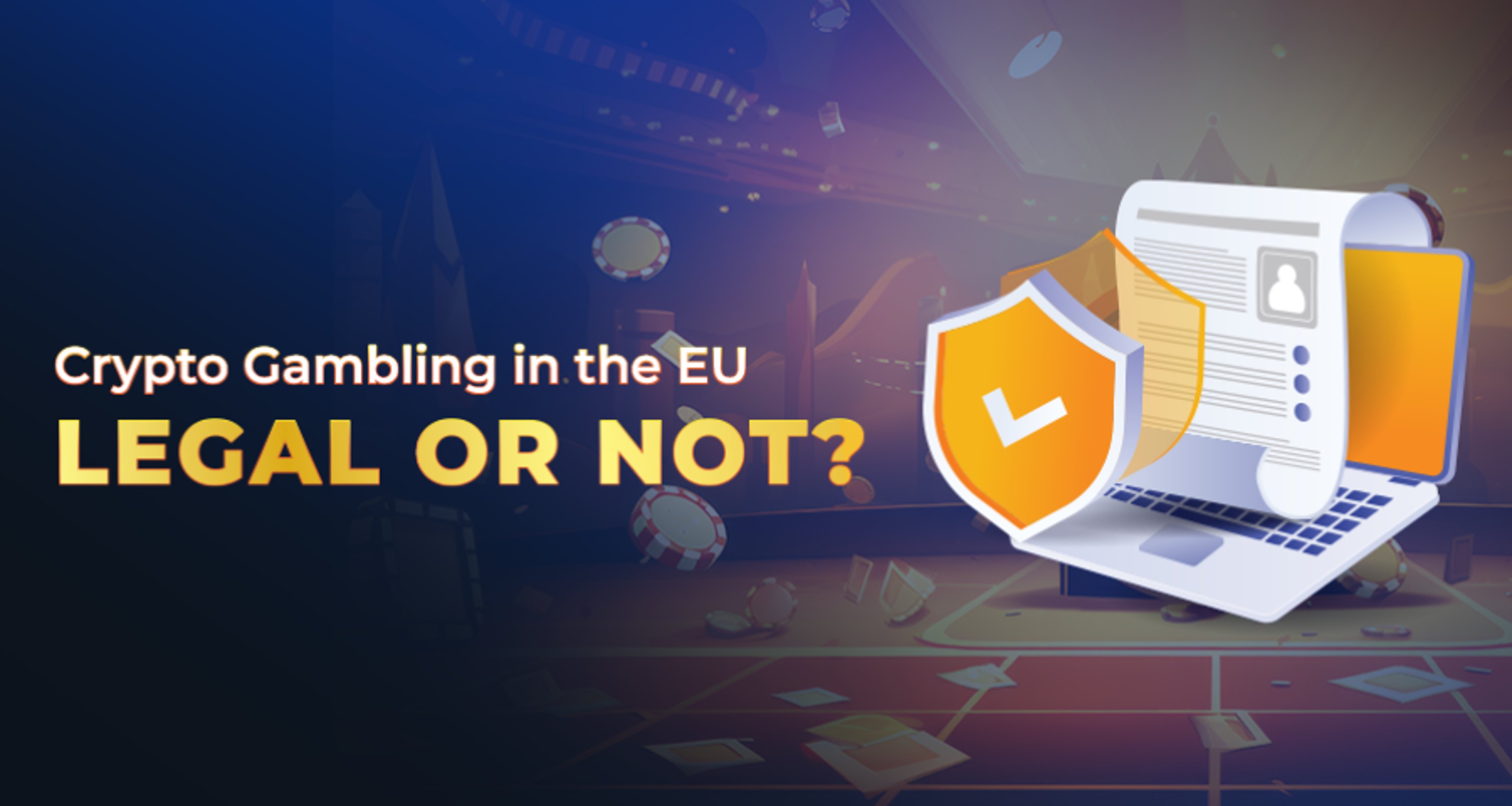
Is Crypto Gambling Legal in the EU? The 2025 Reality Check
Crypto gambling isn’t uniformly illegal across the EU, but it’s not a free-for-all either. Operators must navigate a mix of EU-level rules (notably MiCA) plus strict national gambling and AML regimes. In practice: some jurisdictions welcome crypto-friendly operators under tight controls, others block or limit access, and enforcement is getting stronger in 2025.
The legal picture in one paragraph
Since 2024–2025 the EU’s crypto framework shifted from patchwork to framework: MiCA (Markets in Crypto-Assets) creates baseline rules for crypto-asset markets across member states, and new AML/transfer-of-funds rules tighten how crypto moves across borders. But gambling remains regulated at the national level, so whether a crypto casino can operate in a country depends on that country’s gambling laws and how it applies MiCA/AML rules to casino operators. In short: crypto rules now matter to casinos, but they don’t replace national gambling licenses.
Key EU-level pieces that changed the game
MiCA (Markets in Crypto-Assets): rolled out in 2024–25, MiCA sets rules for issuers, custody, and crypto service providers (CASPs). It brings disclosure, custody, and operational standards that crypto casinos and payment providers must reckon with if they rely on token services or wallets. Expect increased reporting, consumer safeguards, and a push toward consistent cross-border supervision.
AML & Travel-Rule expansions: the EU and FATF-style rules are pushing stricter KYC and transaction-tracing requirements for crypto transactions - casinos that accept crypto must be able to show source-of-funds and transaction metadata when required by authorities. That reduces the “anonymous” edge that some offshore crypto casinos once promoted.
National regulators still call the shots
Gambling licensing is national. That means:
Malta (MGA): Still one of Europe’s most important gaming hubs. Malta has been adapting its framework to handle crypto-related services and increased cooperation with financial authorities, a carefully regulated place for operators that want EU credibility.
Other EU states: Some member states welcome regulated operators (with tight KYC/AML), while others restrict online betting or limit how crypto payments are accepted. And even where a license exists, ad rules, consumer protections, and tax regimes differ widely.
Offshore hubs (Curacao, etc.): Many crypto casinos still launch under offshore licenses for speed and crypto-friendliness, but EU authorities are increasingly pressing gatekeepers (payment providers, ad networks, platform stores) and some nations are blocking access or issuing enforcement actions against white-label setups.
Enforcement reality - what’s changing in 2025
Two big trends this year:
More cross-border scrutiny. ESMA and national regulators are pushing for tighter oversight of cross-border crypto services and want fewer “license shopping” loopholes. There’s talk of stronger centralised supervision for major players, meaning operators cannot rely on weak enforcement forever.
Rapid growth + regulatory headaches. Crypto casino activity ballooned (industry reports show massive GGR growth in 2024), and that’s triggered tougher enforcement and more public scrutiny - especially around AML, fraud, and protection of vulnerable players. Expect more compliance pressure and some platforms to be excluded from EU markets if they won’t comply.
What this means for operators
If you run or plan to run a crypto casino in/for EU players, these are no longer optional:
MiCA compliance where relevant: if your product issues tokens or runs custody services, MiCA rules may apply. Plan for disclosure, capital, and operational standards.
Robust AML/KYC: implement identity checks, transaction monitoring, and source-of-fund controls. Regulators now expect crypto businesses to use the same risk-based AML frameworks as banks.
Local licensing strategy: choose licences that match your markets, offshore for fast crypto-first launches, EU licences (e.g., MGA) for credibility and access to regulated player pools. But know: passporting and cross-border access are under debate and may face limits.
Partner vetting: payment processors, KYC providers and platform partners must be compliant - regulators may sanction the whole stack for failures.
What this means for players
You’ll see fewer anonymous loopholes. Stronger KYC and travel-rule enforcement mean anonymous crypto play is shrinking, which is good for safety but reduces quick anonymous access.
Faster withdrawals (usually) but with checks. Crypto remains fast, but large withdrawals may trigger source-of-fund checks or temporary holds while platforms comply with regulators.
Pick licensed platforms. Malta, established national licences, or robust AML statements are signals you should prefer to reduce fraud and withdrawal issues.
The core risks to watch (for both sides)
License shopping & weak enforcement: some operators seek the easiest jurisdiction to get a license. EU regulators are trying to close that loophole, but gaps remain.
Unregulated offshore sites: still a problem. These can offer “no-KYC” play but carry huge risks (no payout guarantees, weak player protections). The FT and others have documented rapid growth and related harms in the unregulated crypto casino market.
Regulatory changes keep coming: MiCA and AML updates will keep the rules moving; operators and players must stay informed.
Practical checklist - Is a crypto casino legal/safe for EU players?
Check the licence (MGA, national regulator). If it’s Curaçao-only, treat with caution for EU consumer protection.
Find AML/KYC statements on the site - responsible platforms publish them.
Look for third-party testing / audits (e.g., RNG / game fairness) and proof of smart-contract audits if tokens are used.
Search enforcement history - regulators publish actions; avoid operators with repeat sanctions.
Use regulated payment rails where possible (stablecoins with traceable rails, licensed CASPs).
Bottom line
Crypto gambling in the EU is neither fully legal everywhere nor completely outlawed. The legal environment matured in 2024–25: MiCA and stronger AML rules mean crypto firms have to play by financial-market rules, and national gambling regulators still control who may offer games.
For players: stick to licensed sites and expect more verification. For operators: compliance is now a core business requirement, not an optional cost.