Live Casino Dealer (Experience First, 2026 Ready Guide)
Assuming that you have at no time left a live table feeling very confident or nervous, and know not merely why, then this guide tells why. We examine how real players observe a live casino dealer, how one builds trust at the table and how the professional gamblers can work at the dealers without being noticed so that they can use their own bankroll.
The Real Distinction Between A Friendly And A Professional Dealer
A dealer with a smiling face is not necessarily a good dealer. Experienced players evaluate dealers based on accuracy on repetition.
Professional Dealers Guard Not Amusement
A professional dealer maintains:
Identical shuffle sequences
Clear, repeated verbal confirmations
Consistent pacing across rounds
Such behaviors minimize the ambiguity, particularly in the long sessions
Pacing Alters Betting In An Unobtrusive Manner
Quick dealers make decisions quickly. Slower dealers expand it. No one is better, just wrong timing results in bet haste or bet boredom.
The Accent, Familiarity and Language of the Dealer.
This is a thing that is seldom discussed in the review, yet it has a greater influence than most players take into consideration.
Native-Language Dealers Shave Off Mental Tension
When the seller can speak your native language or has an accent you are used to, it becomes easier to communicate more rapidly and understandably. That comfort prevents mental strain and avoids decision fatigue during extended periods of time.
Cultural Tone at the Table
Various studios have various beats on the game:
European studios are more structured and formal.
Asian studios tend to concentrate on the clarity and repetition.
Players remain patient when the table is easy to play at, and patience is a key to safeguard your bankroll.
How Experienced Players “Test” a Live Dealer Before Betting Big
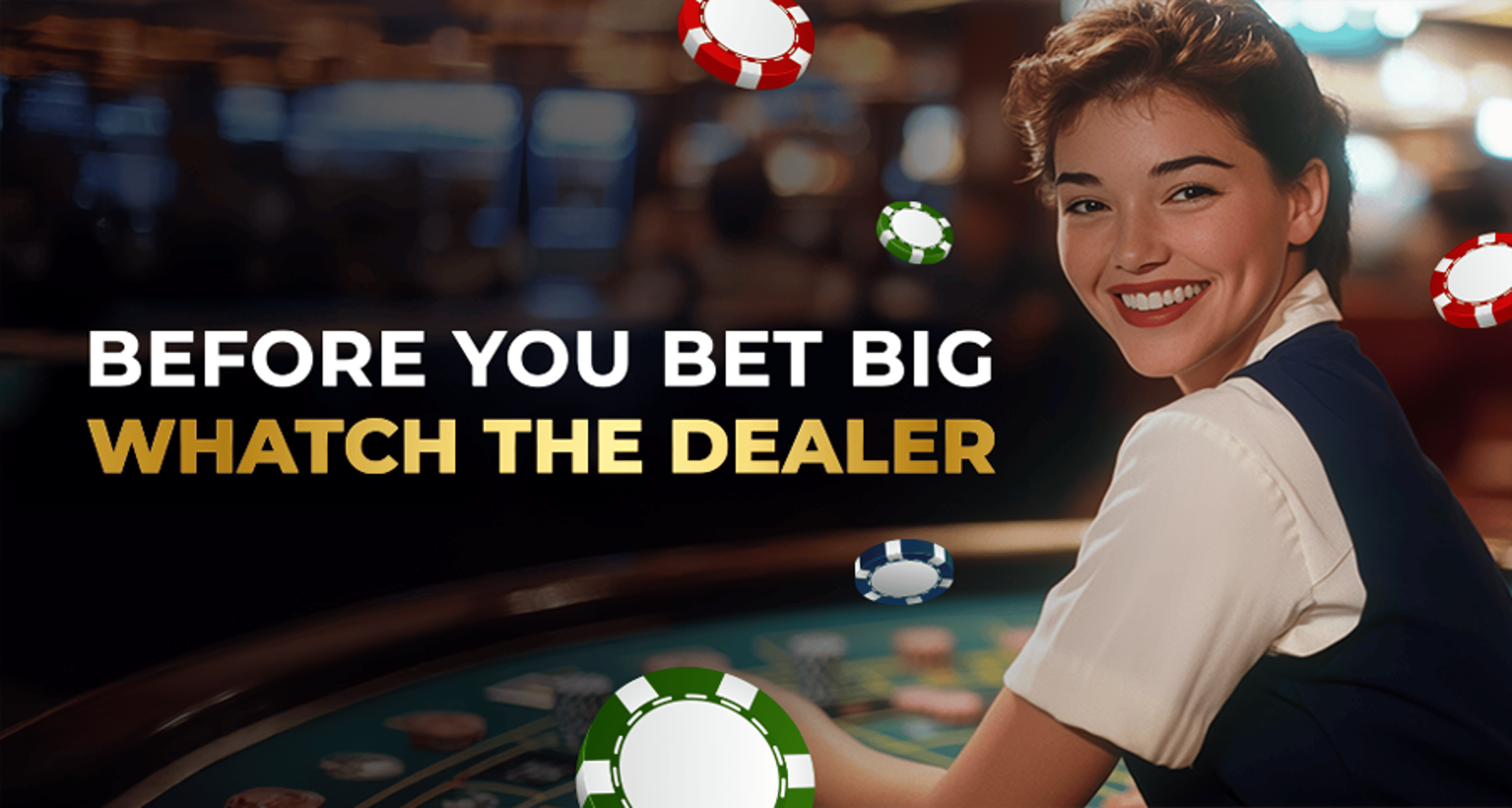
The experienced players do not jump in with huge bets immediately. They will spend a couple of minutes to feel the table and the dealer before they commit any serious money.
The First 5-10 Rounds: You See 90% Of What You Have To Know
Watch for:
Clean, uninterrupted shuffles
Consistent announcements
Calm handling of chat or corrections
Observing Fatigue or Inexperience
When a dealer is hesitating, miscalling, or going too fast, it is normally an indication of a pressure or fatigue, particularly when they are on a long shift. These tiny cracks are likely to expand with the course of the game.
Speed Vs Experience Tables
Others are constructed to run fast and huge volumes. Those are devoted to a slower tempo and a more social atmosphere. It can lead to a tense and emotionally draining session when you sit at the wrong one based on your style and the odds are equal.
Red Flags To A Bad Live Dealer Session
No point in hanging around when things are not right. Constant errors, hasty or disinterested performance, or an out-of-shape chat is usually the cause of frustration rather than improved outcomes.
The Future of Live Casino Dealers (2026+)
Human + tech hybrid is the next step.
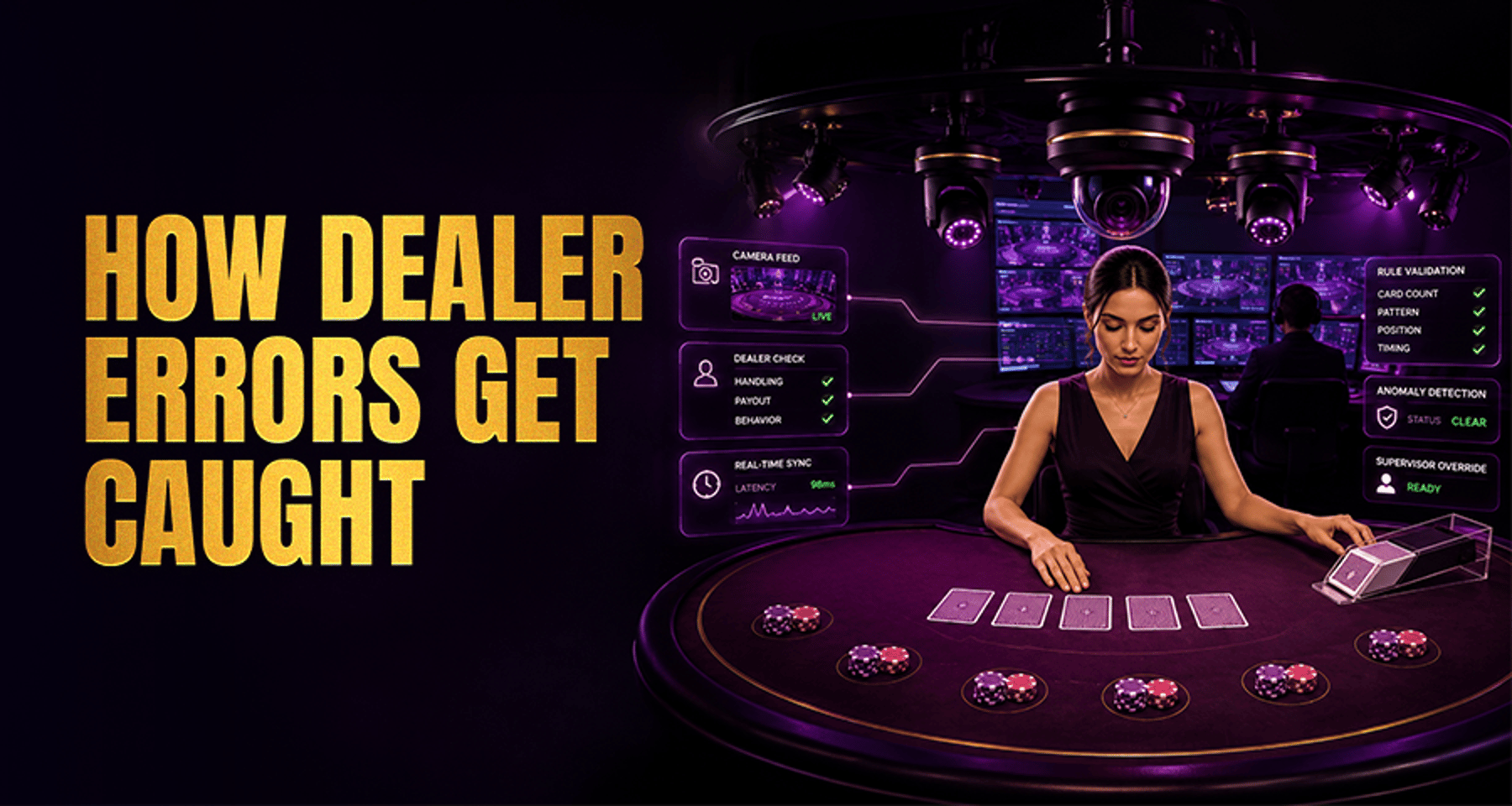
AI-assisted support: Dealers will use AI tools to reduce errors.
Personalized tables: Matching players with dealers by language or pace.
Human irreplaceability: Trust and empathy can’t be automated.
Conclusion
Live casino dealer has no impact on odds but influences the degree of confidence, the quality of decisions, and the regulation of emotions. Bad players do not simply pick the game they pick the tables and dealers to play the game.