Live Casino Game Shows: Trends, Top Titles, and Player Insights
Live casino game shows blend entertainment, chance, and interactivity. This guide covers how they work, why they engage players, and the top titles today.
Why Live Casino Game Shows Exist (Not Just “Entertainment”)
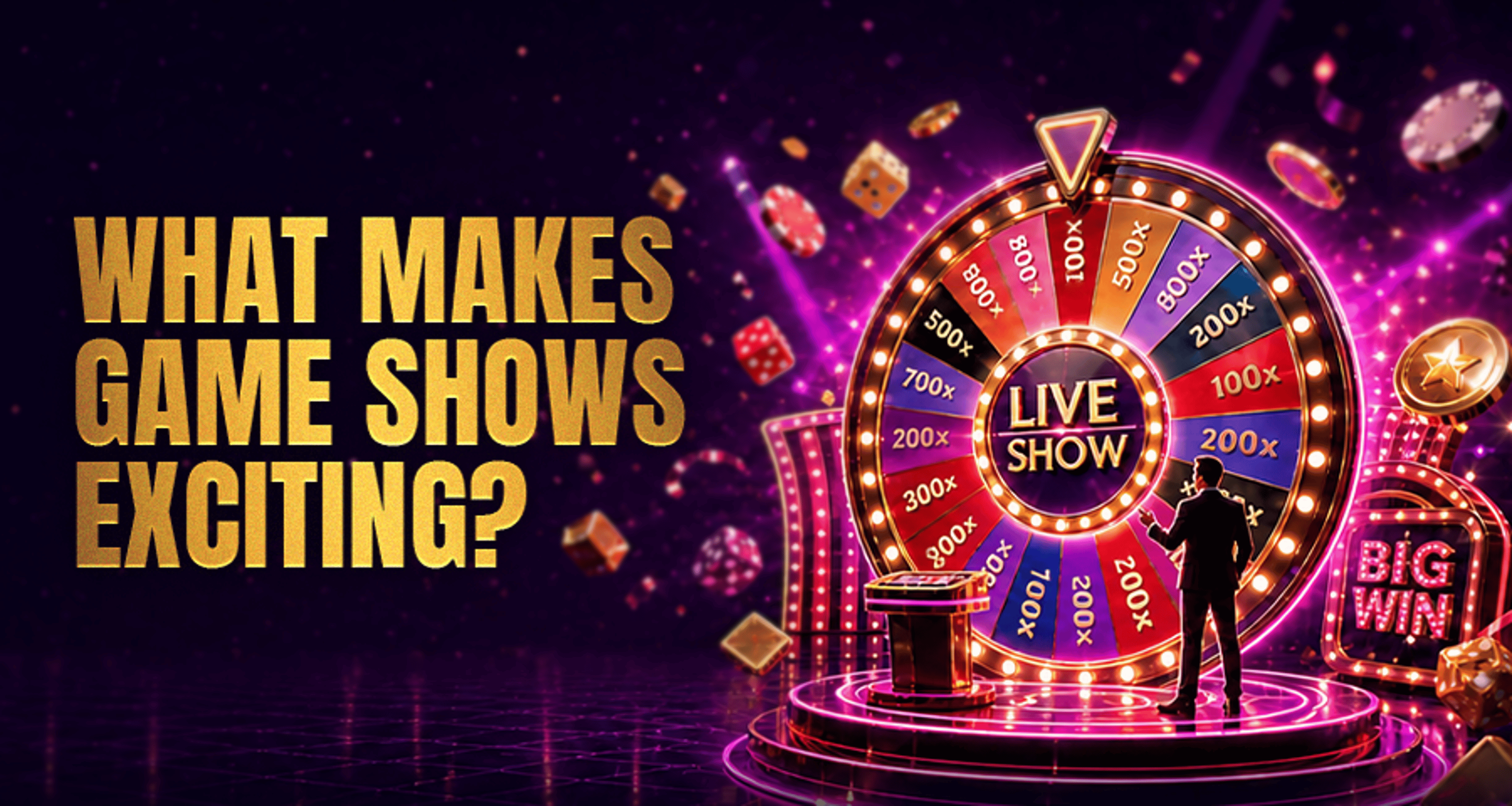
Live casino game shows are more than flashy wheels and bonus rounds. They represent a shift from traditional casino tables to entertainment-driven streaming models.
The Shift from Casino Tables to Entertainment Streaming Models
Casinos realized that players wanted more than just betting—they wanted immersive experiences. By borrowing mechanics from TV game shows, providers like Evolution Gaming and Pragmatic Play created formats that keep users engaged longer.
The Hidden Architecture of Live Casino Game Shows
Understanding the layers behind these games reveals why they’re so addictive.
The 3 Layers Behind Every Game Show
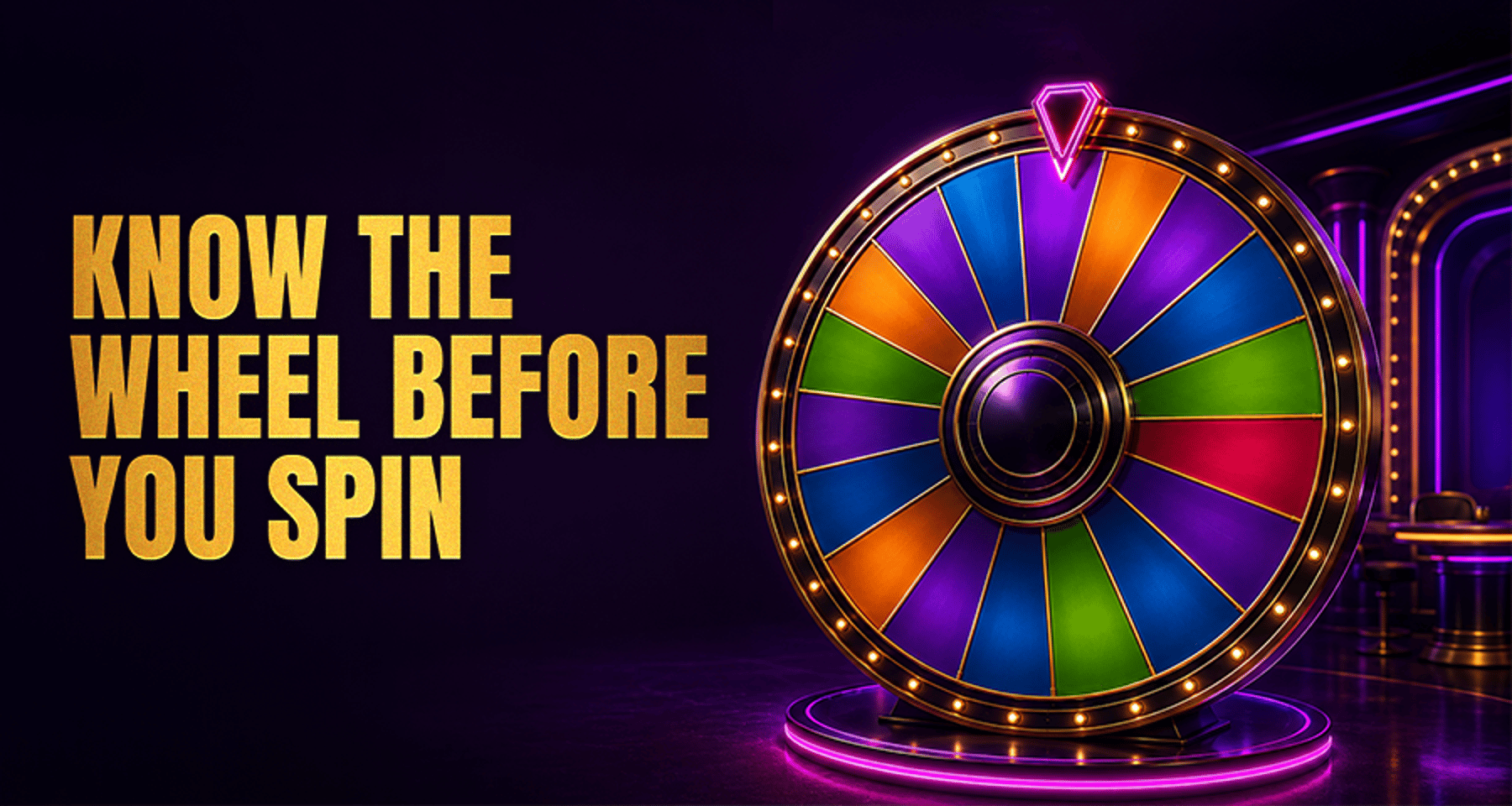
Visual Layer: Studio sets, colorful wheels, and live hosts.
Probability Layer: RNG engines and weighted outcomes.
Engagement Layer: Social interaction, chat features, and gamification.
Why Wheels, Multipliers, and Bonus Rounds Dominate Design
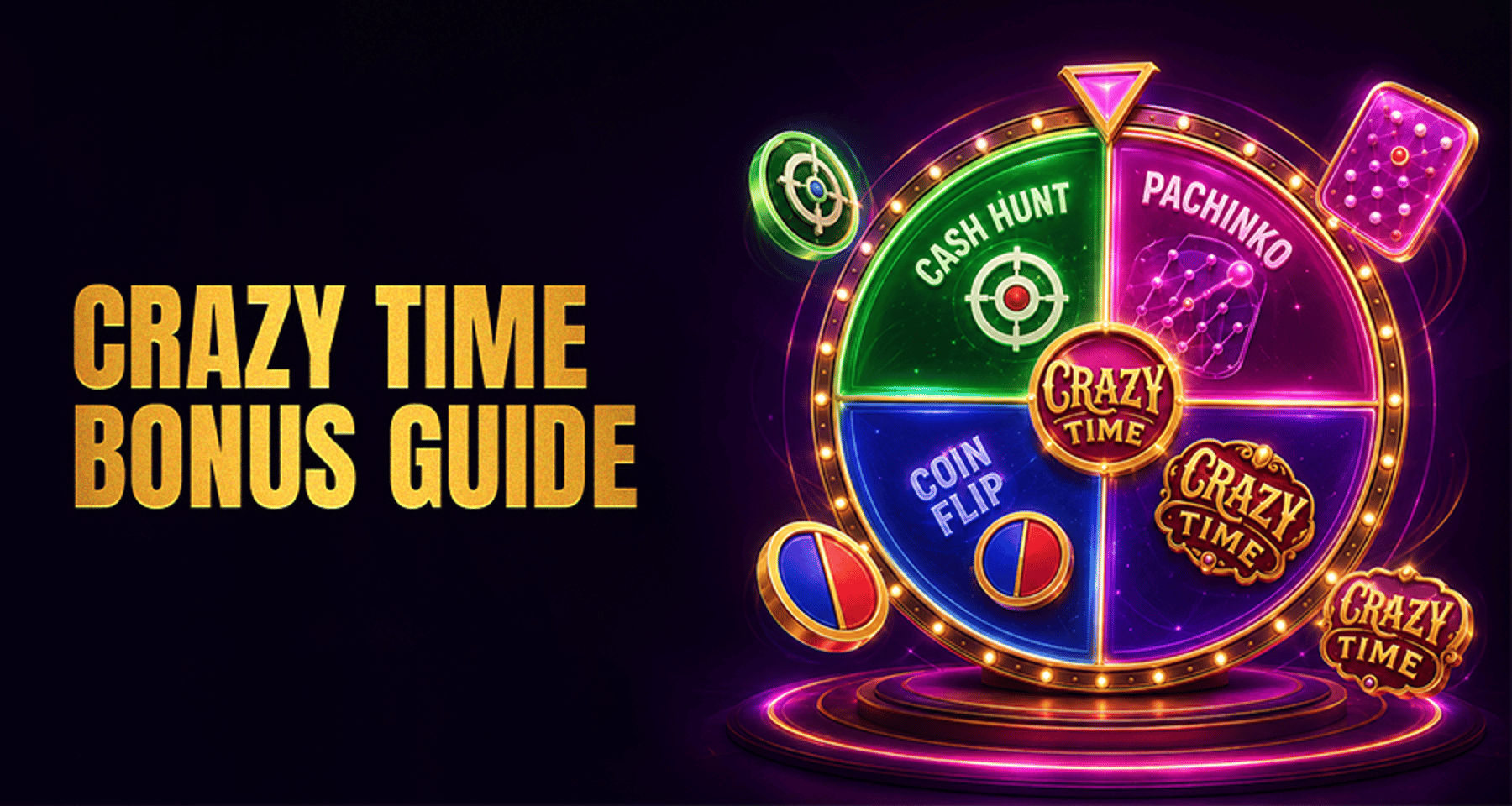
These mechanics maximize excitement. Multipliers can reach 25,000x in games like Crazy Time, creating anticipation loops.
How Game Shows Control Session Length Without Players Noticing
Frequent small wins and near misses extend playtime. Players stay longer, often without realizing how much time has passed.
How Game Shows Actually Generate Outcomes
RNG vs Structured Probability Systems
Most outcomes rely on Random Number Generators (RNG), but structured probability ensures balance between wins and losses.
Why “Random” Is Not Fully Random in Design Terms
Events are weighted. For example, bonus rounds appear less frequently but deliver higher payouts.
Understanding Weighted Events in Bonus Games
This controlled randomness keeps games profitable while still offering big win potential.
Behavioral Psychology Behind Live Casino Game Shows
The “Near Miss” Effect in Wheel Games
Landing just short of a jackpot creates the illusion of being close, encouraging continued play.
Why Multipliers Trigger Dopamine Loops
High multipliers activate reward centers in the brain, reinforcing excitement.
The Role of Live Hosts in Emotional Reinforcement
Hosts celebrate wins, empathize with losses, and keep energy high—driving emotional engagement.
Why Players Stay Longer Than Intended
The combination of social interaction, near misses, and dopamine triggers extends play sessions.
Breakdown of the Most Influential Live Casino Game Shows
Crazy Time: Engagement Engine Model
Evolution Gaming’s flagship game with multiple bonus rounds and up to 25,000x multipliers.
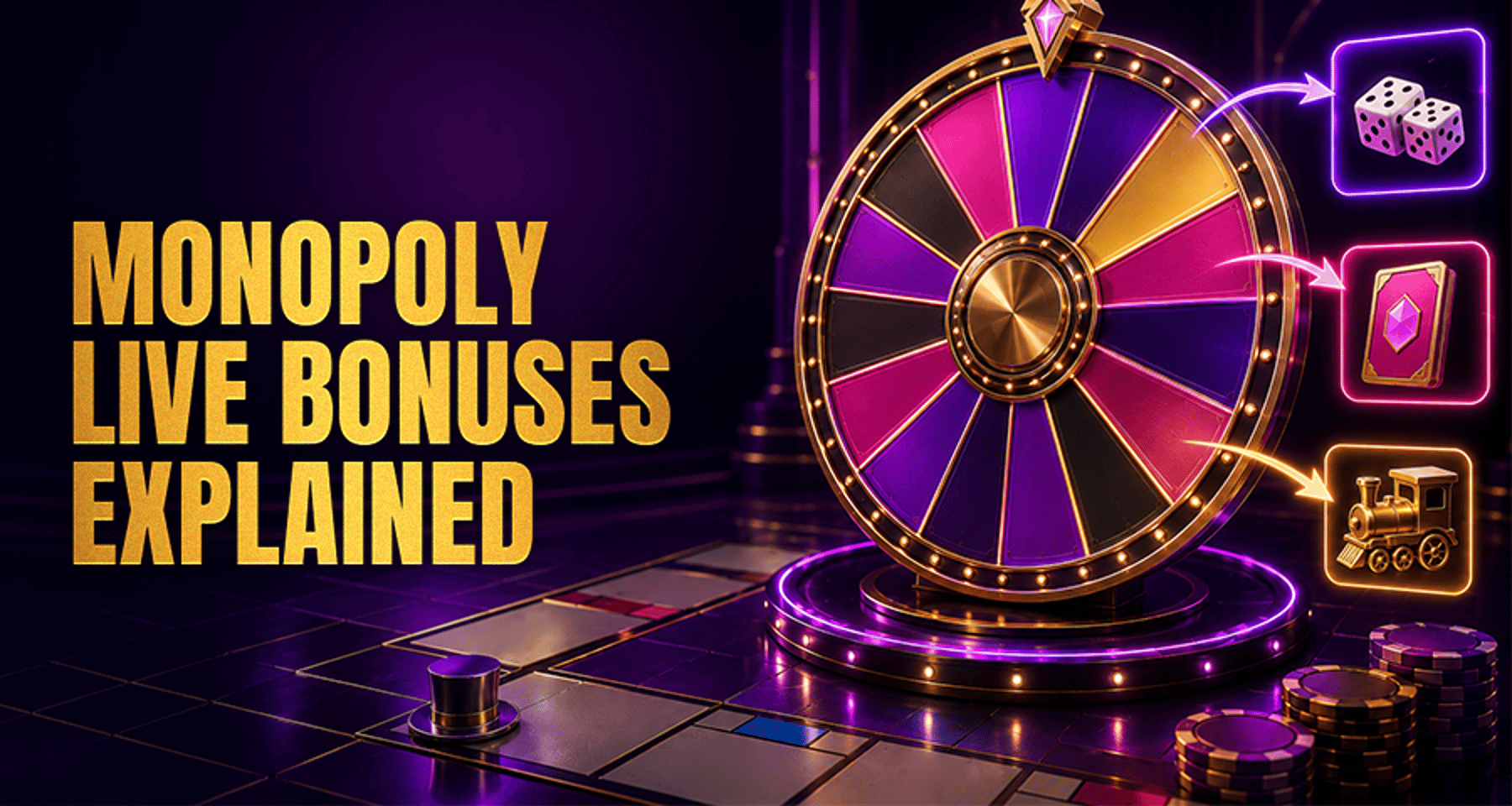
Monopoly Live: Brand Gamification Strategy
Combines the Monopoly board game with live casino mechanics, leveraging brand familiarity.
Dream Catcher: Simplicity-First Design
Easy to play, wheel-based format that introduced the genre in 2017.
How Each Game Uses Different Psychological Hooks
Crazy Time: multipliers + bonus rounds.
Monopoly Live: nostalgia + gamification.
Dream Catcher: simplicity + accessibility.
Game Show | Provider | Max Multiplier | Unique Feature |
Crazy Time | Evolution Gaming | 25,000x | Multiple bonus rounds |
Monopoly Live | Evolution Gaming | 10,000x | Branded board game |
Dream Catcher | Evolution Gaming | 500x | Simple wheel format |
Mega Wheel | Pragmatic Play | 40,000x | High volatility |
Wonderland Live | Playtech | 1,000x | Fantasy theme |
Conclusion
Live casino game shows are not just about winning—they’re about immersive entertainment, psychology-driven engagement, and innovative design. Whether you play Crazy Time or Monopoly Live, remember that the real value lies in the experience.