
Non-Farm Payrolls’ Impact: Why Crypto Traders Should Care
The U.S. Non-Farm Payrolls report often moves markets, and crypto is no different. Let’s look at what the latest numbers mean for digital currencies and why traders are paying attention.
What Is Non-Farm Payroll and Why Does It Matter?
The Non-Farm Payrolls, or NFP, is a monthly jobs report from the U.S. government. It measures how many new jobs were created, leaving out farm work and a few other sectors. Traders watch it closely because strong job growth often pushes the Federal Reserve to keep interest rates higher.
Weak numbers suggest the opposite - rate cuts could be back on the table. For crypto, that shift matters. Cheaper money usually makes investors more willing to move into riskier assets like Bitcoin, which is why NFP releases often spark sudden moves in the market.
What the August Jobs Report Revealed
In the U.S., job growth slowed sharply in August. Non-farm payrolls rose by only 22,000 jobs, well below expectations of ~75,000. The unemployment rate ticked up to 4.3% from 4.2%. Meanwhile, earlier months like July and June saw revisions downward, some economists warn those revisions may continue.
Market Reactions: Traditional Finance Moves First
Markets didn’t wait. With the weaker labor numbers, stock futures rose. Treasury yields fell. The U.S. dollar weakened a bit. Investors are increasingly pricing in a rate cut from the Federal Reserve at its September meeting. Some think it could be 25 basis points, others expect as much as 50 bp if the next data supports it.
Traders are seeing this report as confirmation that the labor market’s “cooling” isn’t just noise, it’s real. That shift changes the Fed’s path.
How Crypto Traders Are Responding
BTC Price, Sentiment & Hedging Moves
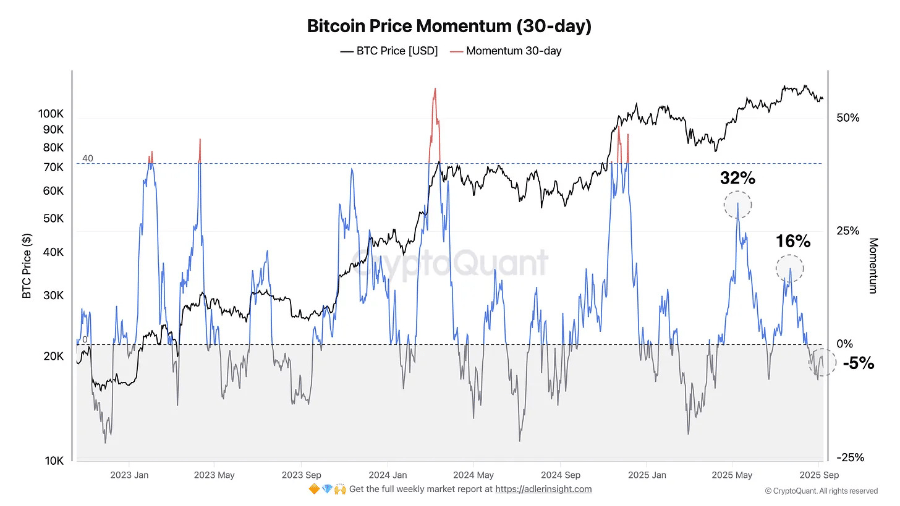
How Bitcoin responds to labor data? It has reacted with slight gains but traders aren’t complacent. Some are buying put options (bets that price will drop) ahead of data surprises. The logic? If jobs bounce back, the Fed rate crypto decision may remain hawkish.
Altcoins & ETFs: Gainers vs Losers
Crypto assets tend to follow BTC rules right now. When labor market data surprises on the downside, altcoins often benefit, especially those tied to risk and yield. Meanwhile, stablecoins and fiat-denominated assets are performing more cautiously.
Why This Report Matters Beyond Numbers
Policy Implications for the Fed
With weak job growth and steady unemployment, pressure mounts on the Fed to act. A move down in interest rates seems more likely. But the Fed is still stuck between fighting inflation and avoiding recession.
Macro Risks: Inflation, Jobs Growth, and Global Spillovers
Tariff headwinds, shrinking labor participation, and hiring challenges (especially in manufacturing) add uncertainty. Inflation remains a concern even as growth slows. Any policy misstep could ripple outward, into currency markets, crypto, and global trade.
What Crypto Investors Should Do Now
Risk Management in Uncertain Times
Don’t load up in one coin. Spread exposure.
If using leverage, keep it minimal, downside risks are real.
Watch Fed signals closely for signs of a pause or acceleration in rate cuts.
Watchlists: Signals to Pay Attention To
Upcoming inflation reports, upcoming labor market data.
Fed minutes, especially commentary from Powell.
BTC reaction around $110K-$120K zones (resistance/support).
Volume and derivatives activity (puts vs calls) for signs of market bias.
Final Thoughts: Is This a Turning Point?
Weak jobs growth isn’t always bad for risk assets, sometimes it pushes the Fed to loosen policy, which can be very bullish for crypto. But it’s a tightrope: too much easing risks inflation; too much hawkish stance risks a recession.
Right now, crypto investors who stay alert and disciplined could benefit. This might be one of those key moments where decisions now matter a lot.