Speed, Fees & Scalability in 2025: Blockchain Performance Comparison
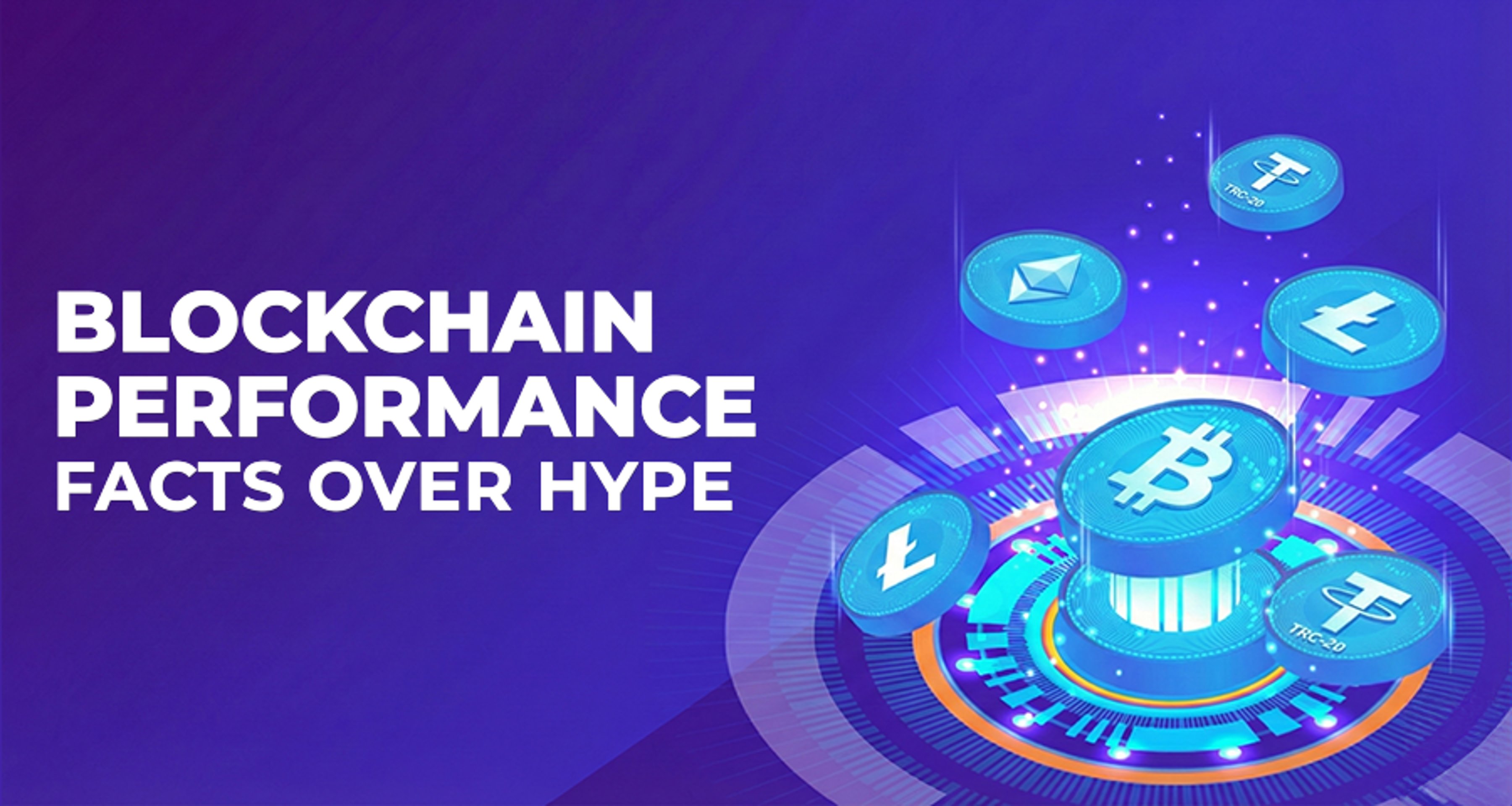
As crypto usage grows within the spaces of DeFi, gaming, and online casinos, blockchain performance is no longer a technical attribute, as it directly influences both trust and payment speed and the overall user experience. The performance comparison of blockchain compiles the actual performance of major networks in 2025, not just by claims of marketers.
Market Indicators To Compare Blockchains
Performance cannot be understood by mere headlines about TPS. The metrics that really matter are shown below.
Transactions per Second (TPS)
TPS measures raw throughput. High TPS implies scalability, although it requires, in order to be scalable, that the network is decentralized and secure.
Bitcoin: ~7 TPS
Ethereum (L1): ~15–30 TPS
Solana: 2,000+ TPS (theoretical peaks higher)
Latency & Throughput
Latency is how long it takes for a transaction to feel “final.” Perceived finality is more important than block creation time in gambling.
Sub-second finality feels instant
Over 10 minutes seems violated, despite being safe.
Transaction Fees (Gas Costs)
Fees determine whether small bets are viable.
The expensive gas costs deter informal gaming.
Foreseeable charges enhance UX, albeit a little more.
Cryptos Casinos Blockchain Performance Comparison (Real-World Use)
Below is a blockchain performance comparison focused on actual casino usage rather than lab benchmarks.
Bitcoin (BTC): Speed Last, Security First.
Bitcoin is the safest blockchain, and its performance shortcomings are evident.
Mean confirmation time: 10-60 minutes (based on fees)
Fee surges: These occur on peak network congestion.
Most successful application: Valuable deposits or withdrawals.
Bitcoin has problems with scalability that render its use in regular betting impractical, however, it is an excellent settlement layer.
Ethereum (ETH): Flexible but Fee-Sensitive
The smart contract ecosystems such as in casinos backends and tokenized rewards are dominated by Ethereum.
Gas volatility: The fees increase 10-fold when the network is congested.
Casino policy: ETH casinos have many that make batch withdrawals to save money.
Trade-off: Rich functionality vs higher UX friction
Speed arguments between Ethereum and Solana fail to acknowledge that ETH is also much more focused on decentralization than on raw throughput.
Litecoin (LTC): Underestimated Casino Workhorse
Litecoin is not trending in the social media, and operators appreciate its stability.
Block time: ~2.5 minutes
Fees: Low and predictable
Why casinos prefer it: Stable performance under load
To gamers, Litecoin is a more accessible platform than Bitcoin and does not involve smart contracts.
Solana (SOL): Speed at Scale
Solana is performance oriented.
Finality: Often under 1 second
TPS: One of the most productive networks.
Risk: Reliability is a concern that is brought out by past network outages.
Solana works best when betting in high gear, up to the point where uptime limits the game.
Stablecoins (USDT / USDC) — UX Stability vs Chain Dependency
Stablecoins are fast due to the fact that users prioritize stability of value and not infrastructure
ERC-20: Slower, higher fees
TRC-20: Faster and cheaper
USDC built on Solana: Low cost, near-instant.
Casino Blockchain Performance Metrics (2025)
Blockchain | Avg Speed | Fees | Best Casino Use |
Bitcoin | Slow | High | Large withdrawals |
Ethereum | Medium | Variable | Smart contracts |
Litecoin | Medium-fas | Low | Daily betting |
Solana | Very fast | Very low | Live betting |
USDT (TRC-20) | Fast | Low | Quick transfers |
Real-World Use Cases
Online Casinos & Fast Payouts
Fast chains enable:
Instant balance updates
Near-real-time withdrawals
Reduced support disputes
This has a direct effect on the retention of players.
DeFi Applications & Liquidity
High throughput chains support:
Rapid arbitrage
Low slippage swaps
Efficient liquidity pools
NFTs & Gaming Ecosystems
NFT games require low fees and low latency to ensure that immersion is not disrupted, which makes Solana, Polygon, and Avalanche trendy options.
Risks & Limitations
Network Congestion: Congestion is still present in the networks of heavy use-even on the sophisticated network.
Security vs Speed Tradeoffs: Faster finality often means fewer validators or higher hardware requirements.
Regulatory Issues: The consumption of energy and privacy functions, as well as the movement of data across borders, are established.
Conclusion
This performance comparison of blockchains demonstrates that the fastest version is not necessarily the best. Every blockchain is used to accomplish a different objective based on speed, fees, and risk tolerance. These trade-offs assist users and casino players to select networks that can respond to their priorities in 2025.