The Rise of Web3 Gambling - How Blockchain is Changing the Game
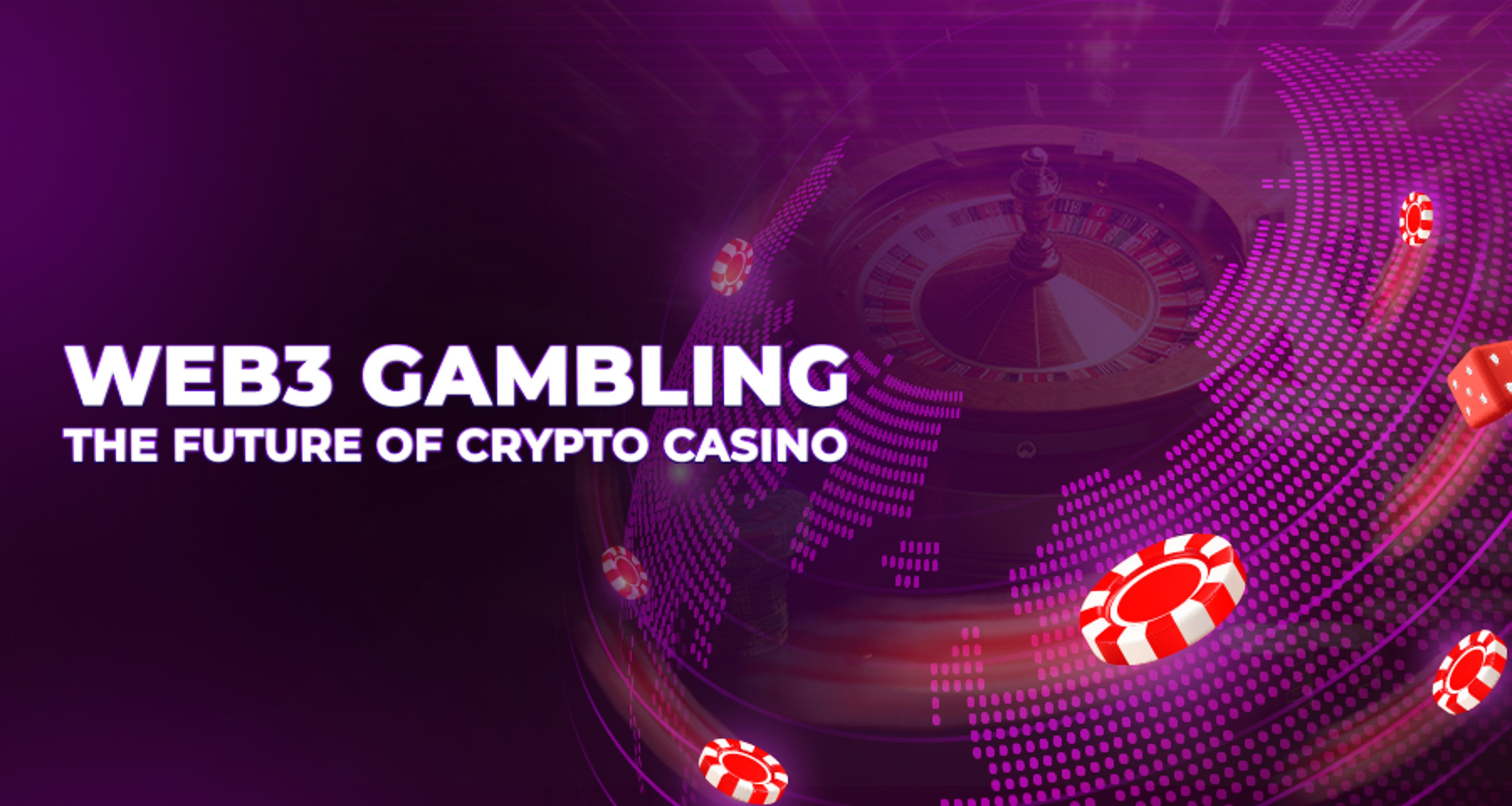
Online gambling’s always followed tech. Remember those old browser games that took forever to load? Then apps came, then mobile slots, and now… we’re seeing something totally different: Web3 gambling. It’s already here in 2025, and people who are paying attention are moving fast.
What Is Web3 Gambling?
Web3 isn’t just some buzzword. It’s about using blockchain to handle how gambling works - games, bets, payouts, the whole thing - without banks or casinos holding your hand. Instead of setting up an account or waiting days for withdrawals, you just hook up your crypto wallet and go. That’s it.
What makes it stand out?
It’s not run by one company, so no single point of failure.
Payouts and wins are automated through code, no waiting on approval.
And it’s all out in the open. You can literally check how everything works on-chain if you want to.
It’s cleaner, quicker, and honestly just feels fairer. For people who’ve been burned by locked accounts or delayed payments, it’s kind of a game-changer.

Web2 vs. Web3: Key Differences
Aspect | Web2 | Web3 |
Ownership | Companies hold your content, account info, and pretty much everything. | You keep control: your identity, assets, and data belong to you. |
Control | Centralized - big platforms call the shots and set the rules. | Decentralized - powered by blockchain and run by users, not companies. |
Identity | You log in with a username and password; your info sits on their servers. | You sign in using a wallet like MetaMask, no password, and no one owns your data. |
Data Storage | Everything’s stored privately on company servers and can be taken down. | Data lives on public blockchains - open, tamper-proof, and transparent. |
Monetization | Ads and clicks make platforms money, users get nothing back. | You can earn from what you do: tokens, NFTs, and even revenue share in some cases. |
Transparency | You don’t really know how things work behind the scenes. | It’s all on-chain. You can check the code, see transactions, and audit the rules. |
Access | Might be blocked in your country or require ID and approval. | If you’ve got a crypto wallet and internet, you’re in - no barriers. |
Interoperability | Most sites don’t connect. Your assets and data stay locked in. | Web3 apps work together, you can move assets across platforms and networks. |
Security | The platform controls security and recovery but they also hold the keys. | You manage everything yourself - more freedom, but also more responsibility. |
Censorship | Posts, accounts, or content can be taken down anytime. | Built to resist control - decentralized storage means it’s much harder to censor. |
Web3 Gambling: Zooming Out for a Bigger Look
If you want to see where Web3 gambling is going, it helps to understand where the entire industry is headed. Right now, online gambling is worth around $93 billion. Fast forward to 2030? It’s expected to hit $154 billion. That kind of growth isn’t just from more people playing, it’s also about the tech evolving behind the scenes.
Crypto Payments are Reshaping the Gambling Economy
At this point, around 1 in 4 online gambling payments is made using crypto. That’s not just a side trend, it’s a sign that a lot of players are skipping the usual banking routes and going straight through their digital wallets. It's quicker, easier, and works around traditional limits.
But here’s the real shift: crypto isn’t just being used to deposit and withdraw anymore. With Web3, it's becoming a core part of the game itself. Players are jumping into NFT-based poker rooms, collecting in-game rewards that hold real value, and even earning tokens just for playing.
The idea of gambling is starting to blend with ownership and economy - a space where you can actually own what you win or unlock.
Among all the trends in online gaming, crypto adoption is growing the fastest. And as more platforms roll out blockchain tools, that 25% is only going to rise.
Web3 is the Foundation of the Metaverse and Gambling is already there
The buzz around the Metaverse isn’t slowing down, and Web3 is the tech layer making it possible. While most people think of virtual concerts and avatars, gambling is quietly becoming a major part of the Metaverse economy.
Imagine entering a digital casino with your Web3 wallet, walking up to a virtual blackjack table, and playing against people from all over the world, all without ever creating a username or connecting a bank account. Your avatar, your wallet, your NFTs - they all come with you.
And this isn't some distant concept. Projects are already testing VR casino spaces, NFT slot machines, and Metaverse-native games where the assets you win can be sold or used across other platforms.
In this future, gambling isn’t just something you do, it’s something you’re part of.
Trust Through Transparency: The Provably Fair Advantage
In the past, players had to just trust that the casino wasn’t messing with the outcome. But now? With Web3, that’s changing.
Every spin, hand, or roll is generated using on-chain algorithms, and anyone can check them. No guessing. No hoping the house plays fair, it’s all visible if you want to look.
Basically, the result you get is tied to something called a blockchain hash - a bit of code you can verify. It’s what people mean when they say “provably fair gambling.”
So if you ever wondered whether the game was rigged, now there’s a way to know. It’s not perfect, but it’s miles ahead of the old way of doing things.
Crypto Wallets Over Bank Accounts
Let’s be honest, traditional online casinos make you jump through hoops just to move your money. You’ve got to enter card details, wait for approval, maybe even upload ID documents. It’s slow and frustrating. Web3 gambling doesn’t do that.
Instead, you just connect a crypto wallet - like MetaMask or Trust Wallet - and you’re good to go.
No forms, no waiting for a payment gateway to process your deposit. You send your coins, and they’re in your account almost immediately. That’s it.
And when it’s time to cash out? Same thing. Withdrawals go straight to your wallet, usually in seconds.
Most platforms don’t even ask for verification, because there’s no bank involved. You keep full control over your funds the whole time and honestly, that’s how it should be.Many blockchain casinos now support:
Instant deposits Open your wallet, send what you need, and it’s there, pretty much right away. No third-party junk holding it up. | Switching chains Got ETH but wanna play something that uses USDT on BNB Chain? You can bridge it over. | Anonymous play They don’t need your email, your phone, or anything personal. If you’ve got a wallet, you’re in. |
Players’ Web3 Casino Benefits
Total Transparency You don’t really have to wonder if the game’s fair — it’s all there, on-chain. If you want, you can dig into the code or check how the results were made. Some folks do. Most just like knowing they could. |
Lower Fees There’s no bank middleman taking a slice of your money. You send crypto, it shows up. You win, it goes back to your wallet. That’s pretty much it. Less friction, fewer weird charges. |
Instant Withdrawals Used to take days, sometimes a week, to get a payout. Now? It can hit your wallet in seconds. No ID forms. No “pending.” Just click and done. |
Better Bonuses Some places still do regular promos, sure — but the cool ones drop tokens or NFTs. Sometimes those rewards are worth something, sometimes not. But they’re yours either way. |
Global Access Web3 breaks down borders. As long as you have a crypto wallet and internet connection, you can play - no matter where you live. There's no account verification tied to your region, and no bank needed to get started. |
The Role of NFTs and GameFi in Web3 Gambling
Some of the newer Web3 casinos are doing more than just slots and dice. They’re starting to mess around with NFTs - stuff like collectible badges, avatars, or even bonus boosters - and letting players actually own them.
These aren’t locked to one site either. You can list them on places like OpenSea or Blur, trade them, or just keep them for bragging rights.
It’s kind of like earning gear in a video game. But instead of sitting in your account, it’s on-chain and fully yours. You’re not stuck inside one casino’s reward system anymore — you can take what you earn and maybe turn it into something real, like crypto or another NFT.
That’s where GameFi starts to mix in. Instead of just spinning for fun or a quick win, now you’re collecting stuff, unlocking value, maybe even staking your NFTs for rewards. Some games are even starting to link with each other - so the things you own in one place might help you out somewhere else.
All this turns gambling into more than just luck. There’s a layer of strategy, collecting, and long-term value in the mix. You're not just playing - you're building something.
Final Thoughts: Is Web3 Gambling the Future?
It’s still pretty early, yeah. But you can feel it picking up. With crypto casinos becoming more common, NFTs getting actual use, and DeFi tools popping up everywhere, Web3 gambling doesn’t feel like some side experiment anymore, it’s growing fast.
For a lot of players, especially those burned by slow withdrawals or sketchy bonus terms, this model just makes more sense. It’s quicker. It’s open. And you can see how everything works without needing to trust the platform blindly.
Some sites, like HunnyPlay, are already mixing Web2-style games with Web3 features - so yeah, the shift’s not just coming... It's already happening.