Why High RTP Doesn’t Mean Low Risk?
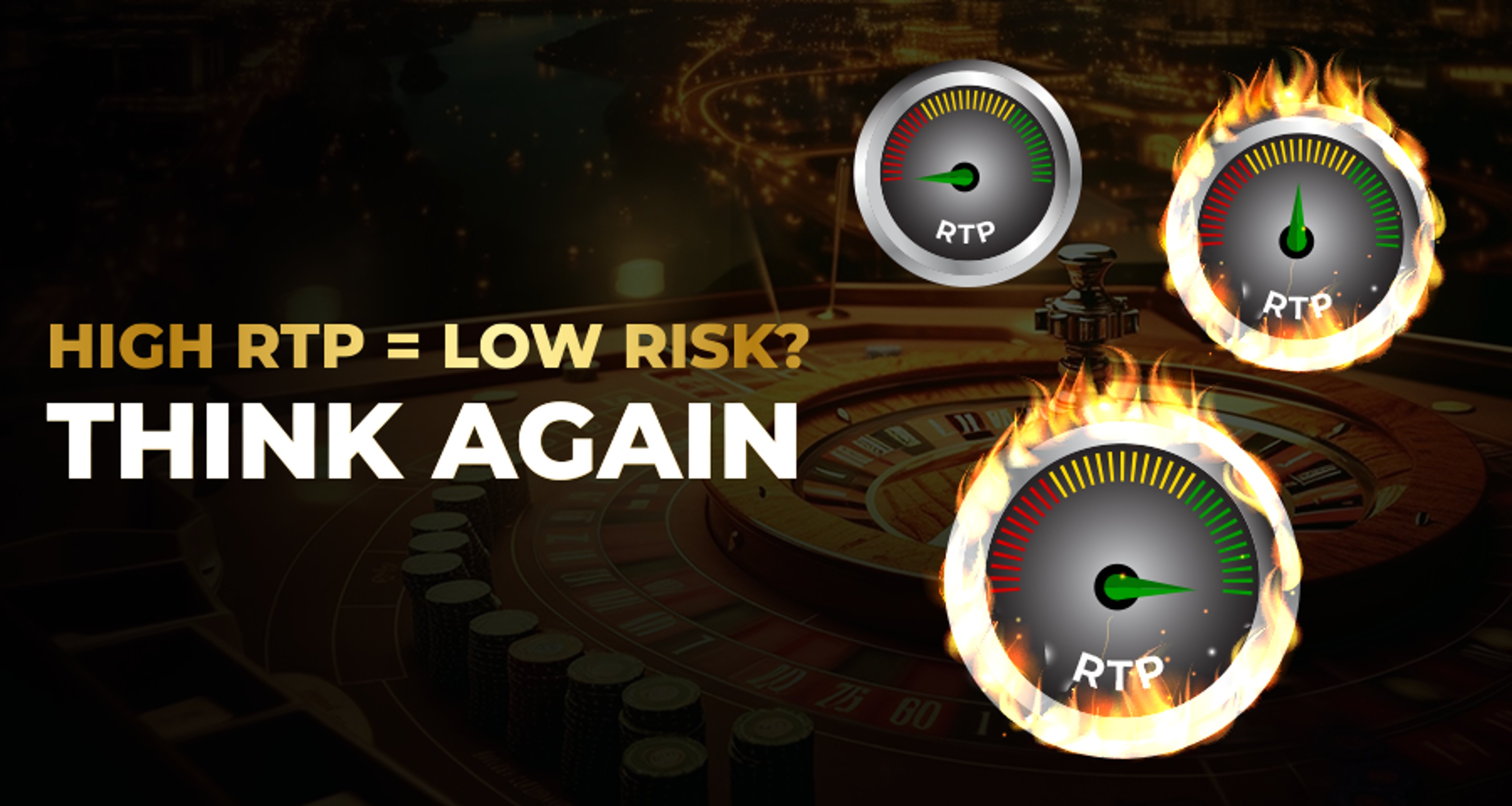
If you play online slots, you’ve seen the promise: 96% RTP, high RTP, better odds. It sounds safe, but it isn’t. High RTP doesn’t protect your bankroll, and many players lose just as fast or faster. Here’s why, without the math or marketing noise.
The RTP Myth Most Players Believe
Many players treat RTP like a promise. The thinking usually goes like this: If the RTP is high, I should lose less.That belief is understandable — and wrong.
RTP is one of the most misunderstood numbers in gambling. It doesn’t describe what happens in a session, a night, or even a week of play. It describes what happens over millions or billions of spins, across all players combined.
What RTP Actually Measures (And What It Doesn’t)
RTP Is a Long-Term Average, Not a Promise
RTP (Return to Player) tells you how much a game gives back on average over its entire lifetime. A 96% RTP slot means that, in theory, the game returns $96 for every $100 wagered — over an enormous sample size.
It does not mean:
You’ll get 96% of your money back
You’ll lose slowly
You’ll have “safer” sessions
Short-term results can be brutal, even on high RTP games.
Why Session Results Don’t Follow RTP
Most players spin a few hundred times, maybe a few thousand if they’re grinding. That’s nothing compared to what RTP is calculated on.
In short sessions, variance rules everything. RTP barely matters when luck hasn’t even had time to smooth out.
RTP vs Your Real Balance
Your balance reacts to:
Bet size
Volatility
Hit frequency
Bonus timing
RTP sits quietly in the background. It doesn’t stop swings.
High RTP Slots Can Still Drain Your Bankroll Fast
This is where many players get burned.
Volatility: The Missing Piece Most Players Ignore
Volatility describes how a slot pays, not how much it pays back over time. High volatility slots:
Pay less often
Hit harder when they do
Can go very long without meaningful wins
You can have a 96.5% RTP slot that empties your balance in minutes if the volatility is high and your bets are aggressive.
Why High RTP + High Volatility Is Dangerous
This combination is common in modern slots. Providers boost RTP but increase volatility to keep excitement high. The result?
Bigger droughts
Longer losing streaks
Players tilting because “the RTP is good, it should pay soon”
That mindset is expensive.
Examples of “Good RTP, Bad Sessions”
Every regular player has seen this:
300 spins
A few tiny hits
No bonus rounds
Balance gone
The RTP didn’t lie. It just didn’t help you.
RTP vs Risk: Two Different Numbers
RTP Tells You Return, Not Survival
Think of RTP as a refund rate, not a seatbelt. It describes how much comes back eventually, not how long your money lasts.
Risk Is About How Long Your Money Lasts
Risk depends on:
Volatility
Bet sizing
Session length
A low-volatility slot with slightly lower RTP can keep you playing far longer than a high RTP volatility monster.
Why Short Sessions Change Everything
Most players don’t grind for hours with flat bets. They chase bonuses, raise stakes, react emotionally. In those conditions, RTP becomes a weak safety indicator.
How Casinos Use RTP to Shape Player Expectations
Why RTP Is Shown but Volatility Often Isn’t
RTP looks friendly. Volatility looks scary. That’s why RTP is front and center, while volatility is hidden behind vague labels like “medium-high.”
Marketing Tricks Around “High RTP” Games
Casinos know players search for high RTP slots. That keyword pulls traffic. But high RTP doesn’t mean:
Higher win rate
Better bankroll protection
Easier bonuses
It just sounds reassuring.
Why Players Chase RTP Instead of Control
Control isn’t exciting. RTP sounds like an edge. Players often chase numbers instead of building rules. That’s how good stats turn into bad decisions.
How to Read Slot Stats the Right Way
Combining RTP, Volatility, and Bet Size
RTP should be a filter, not a final decision. A smarter checklist:
RTP above average
Volatility that matches your bankroll
Bet size that survives dry spells
Miss one of these, and RTP won’t save you.
When High RTP Actually Helps
High RTP works best when:
You bet small
You play long sessions
You’re bonus hunting carefully
It helps efficiency, not safety.
When Lower RTP Is the Smarter Choice
Some low-volatility slots have slightly lower RTP but far smoother gameplay. For casual sessions, they’re often cheaper to play.
Real Player Mistakes With High RTP Games
Overbetting Because “The RTP Is Good”
This is the classic trap. Players raise stakes because they feel protected. They aren’t.
Chasing Losses on High RTP Slots
High RTP does not mean the game owes you anything. Chasing turns statistics into sunk costs.
Ignoring Time and Spin Count
RTP doesn’t care how tired, tilted, or rushed you are. Your bankroll does.
A Smarter Way to Use RTP When Playing
RTP as a Filtering Tool, Not a Decision Tool
Use RTP to remove terrible games — not to justify risky play.
Matching RTP With Your Play Style
If you play short, emotional sessions, focus on volatility first. If you grind slowly, RTP matters more.
Bankroll Rules That Matter More Than RTP
Fixed bet size
Stop-loss limits
Pre-set session length
These protect you far better than any percentage.
Final Thoughts: RTP Is a Stat, Not a Safety Net
High RTP doesn’t mean low risk. It never did. It’s a useful number, but only when you understand its limits. Players who rely on RTP alone usually learn the hard way. The real edge isn’t chasing better stats - it’s playing with better control.