Why Multiple Small Deposits Can Trigger a Manual Review?
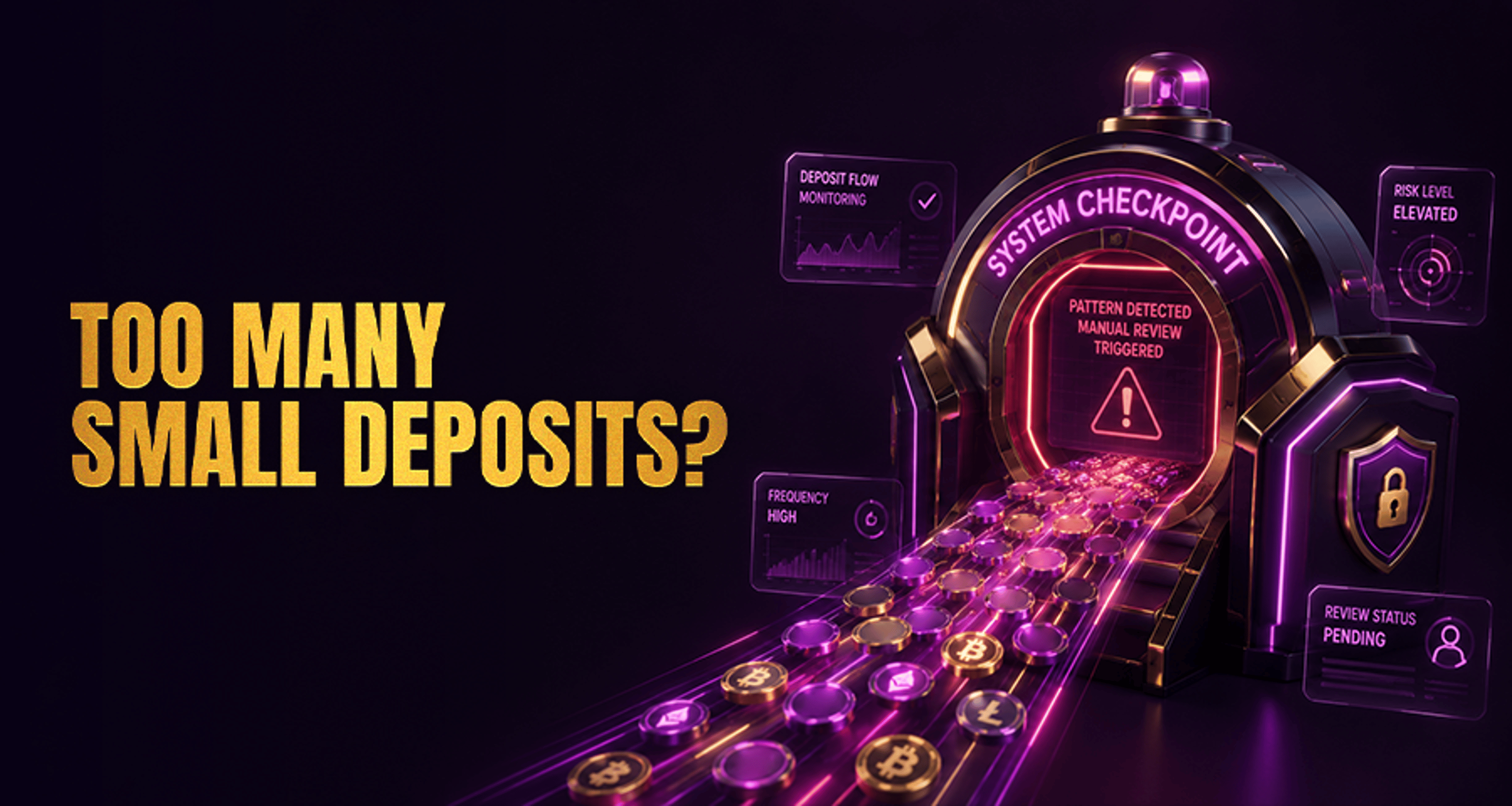
When your transfers stall, multiple small deposits trigger manual review mechanisms. Automated systems flag rapid, low-value bursts to prevent fraud, requiring operational teams to check your TXID manually.
If your crypto deposit is delayed, it can be frustrating to see several small transfers treated differently than you expected. In many cases, repeated small deposits do not mean you did anything wrong.
They can, however, look unusual to automated risk and operations systems, which may cause the deposit to move from automatic processing into a manual review.
This article explains why multiple small deposits can trigger manual review, what teams usually check, and what you can do next to help resolve the issue faster.
Why multiple small deposits can appear unusual
Most crypto deposits are credited through automated checks. When the deposit pattern looks normal and the transaction details match what the platform expects, processing is usually straightforward.
A manual review can happen when the pattern stands out from typical activity. This is where multiple small deposits trigger manual review as one possible outcome. For example, many low-value transfers arriving within a short window may look different from a single standard deposit. Risk and operations systems may flag that pattern for an extra check before crediting.
This does not automatically mean fraud or misuse. It usually means the activity needs a human review because the pattern does not match the normal automated path.
Common reasons a deposit pattern gets flagged for manual review
There is rarely one single reason. More often, a review is triggered by a mix of signals tied to the deposit pattern and the transaction details.
Many transfers in a short period
Several deposits sent within minutes can look fragmented or irregular. Even if the total amount is modest, a burst of small incoming transfers may cause the system to pause automatic crediting and send the case for review.
Deposits from multiple wallets
If the funds come from different source wallets instead of one consistent wallet, that can add complexity to the review. It may make the activity look less predictable than a normal one-wallet deposit flow.
Network or account mismatches
Using an unexpected network, sending to the wrong destination format, or mixing up account details can all slow processing. Even small transfers may be reviewed if the system cannot confidently match the deposit to the correct account.
Missing memo or tag information
For assets that require a memo, destination tag, or similar reference, missing or incorrect details are a common reason for delays. This can trigger manual review whether the deposit is large or small.
Wallet risk signals and automated checks
Some deposits are flagged because of wallet-level risk indicators, automated fraud checks, or other internal safety controls. In these cases, multiple small deposits trigger manual review not because small amounts are always suspicious, but because the overall pattern is one signal among several.
If your issue involves a broader account or payment dispute, you may also want to review related guidance like Online Casino Complaints Fix Issues Get Paid Fast.
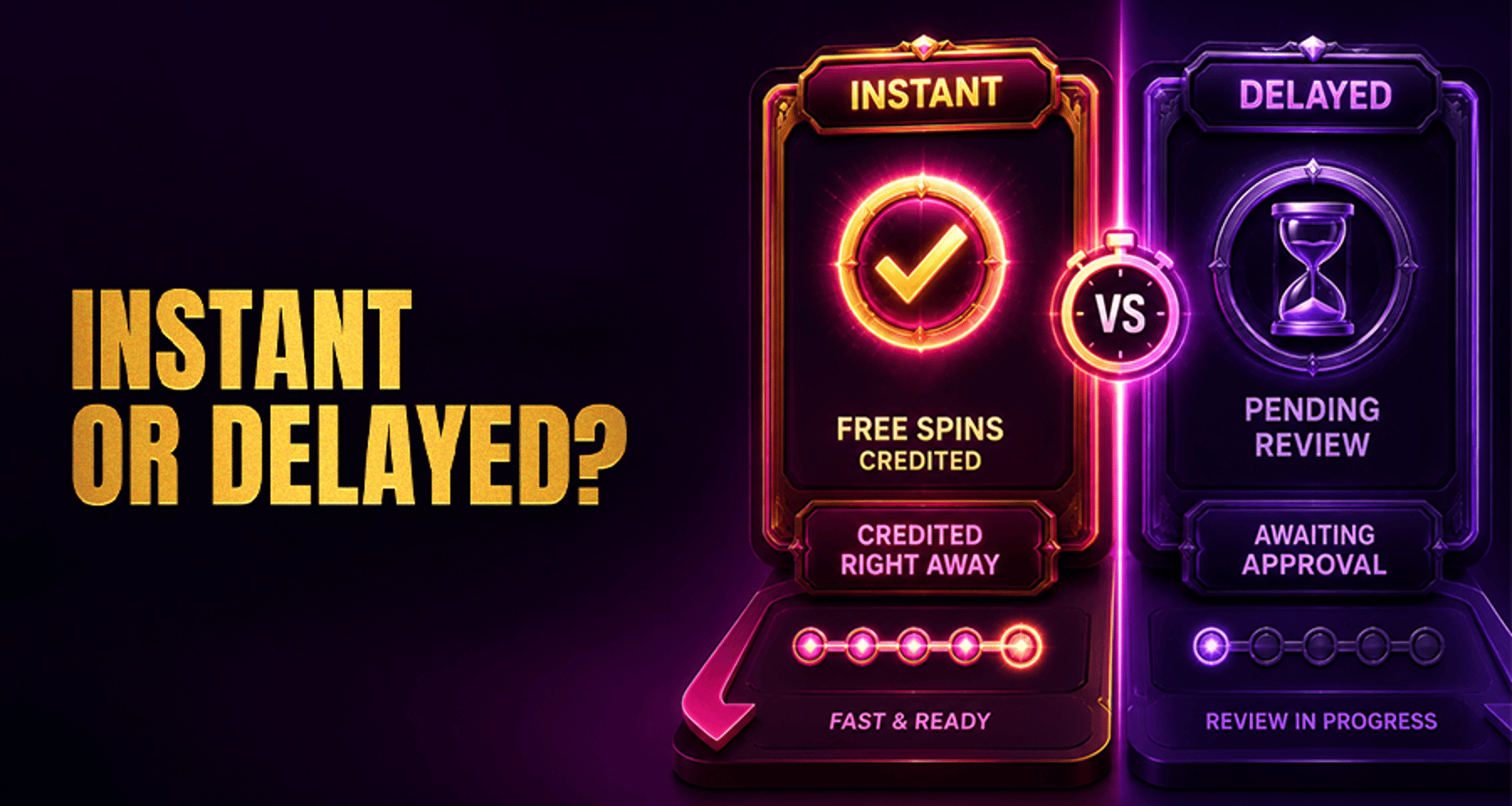
Automatic processing vs manual review
Automatic processing happens when the platform can quickly verify the transaction details and match the deposit to your account with high confidence.
Manual review happens when something needs a closer look. That may include:
the transaction hash and confirmation status
the asset and network used
the destination address
memo or tag details
the number and timing of related transfers
whether the sending wallets or transaction pattern raised risk checks
A review is a process step, not an accusation. It is there to prevent mis-crediting, reduce avoidable errors, and make sure deposits are handled correctly.
What to check before contacting support
Before reaching out, it helps to confirm the key deposit details on your side. This can save time and help support review the case more efficiently.
Check the following:
Transaction hash (TXID): Make sure you have the correct transaction ID.
Asset: Confirm which coin or token you sent.
Network: Verify that the sending network matches the supported receiving network.
Destination address: Double-check that the deposit address matches your account.
Memo or tag: If required for that asset, confirm it was included and entered correctly.
Amount sent: Note the exact amount.
Time sent: Record when the transfer was made.
Account notifications: Review any alerts, emails, or in-app messages asking for more information.
If the issue is still unresolved after these checks, contact Crypto Deposit Support with the full details above so they can review the case more directly.
What happens during a manual review
When a deposit is under review, support or operations teams may verify transaction details, inspect the deposit pattern, and confirm whether any required information is missing.
Depending on the case, they may:
confirm that the deposit is still being reviewed
ask for additional transaction details
request clarification about the network, wallet, or memo/tag used
update you once the review is complete
Review time can vary depending on the deposit pattern, the completeness of the information provided, and current support volume. Because of that, it is better to expect a variable timeline rather than a fixed resolution time.
How to reduce delays on future crypto deposits
You usually cannot control every review outcome, but you can lower the chance of avoidable delays by keeping deposit details consistent and complete.
Helpful habits include:
avoiding unnecessary fragmentation into many small transfers when one normal transfer would do
using the correct supported network each time
carefully checking the destination address before sending
including the required memo or tag when applicable
keeping your deposit records handy in case support needs them
The goal is not to “bypass” review, but to reduce mismatches and missing information that commonly slow down crediting.
FAQ
Do multiple small crypto deposits always trigger a manual review?
No. Small deposits do not always cause a review. They are simply one possible pattern that may be flagged when combined with other signals, such as rapid timing, multiple source wallets, network inconsistencies, or missing memo/tag details.
Can I still receive my funds if my deposit is under review?
In many cases, yes. A manual review does not automatically mean the deposit will be rejected. It means the transaction needs additional checking before crediting can be completed.
What information should I send support if my deposit is delayed?
Send the TXID, asset, network, amount, time sent, destination address, and any memo or tag information. Also include any relevant account notification you received.
Does sending deposits from different wallets increase review risk?
It can. Deposits from multiple wallets may create a less consistent pattern, which can lead to extra checks in some cases.
Can missing a memo or tag cause a manual review even for small amounts?
Yes. If an asset requires a memo or tag, missing or incorrect information can delay crediting and may require manual review regardless of the deposit amount.
Next step
If your deposit is still pending, first verify your TXID, asset, network, amount, time sent, destination address, and any memo or tag details. If everything looks correct and the delay remains, contact Crypto Deposit Support with those details so the team can continue the review.