Crypto Inheritance Planning: Secure Your Digital Wealth
This guide explains how to secure your crypto, avoid permanent loss, and ensure your wealth is passed on safely.
What Is Crypto Inheritance Planning?
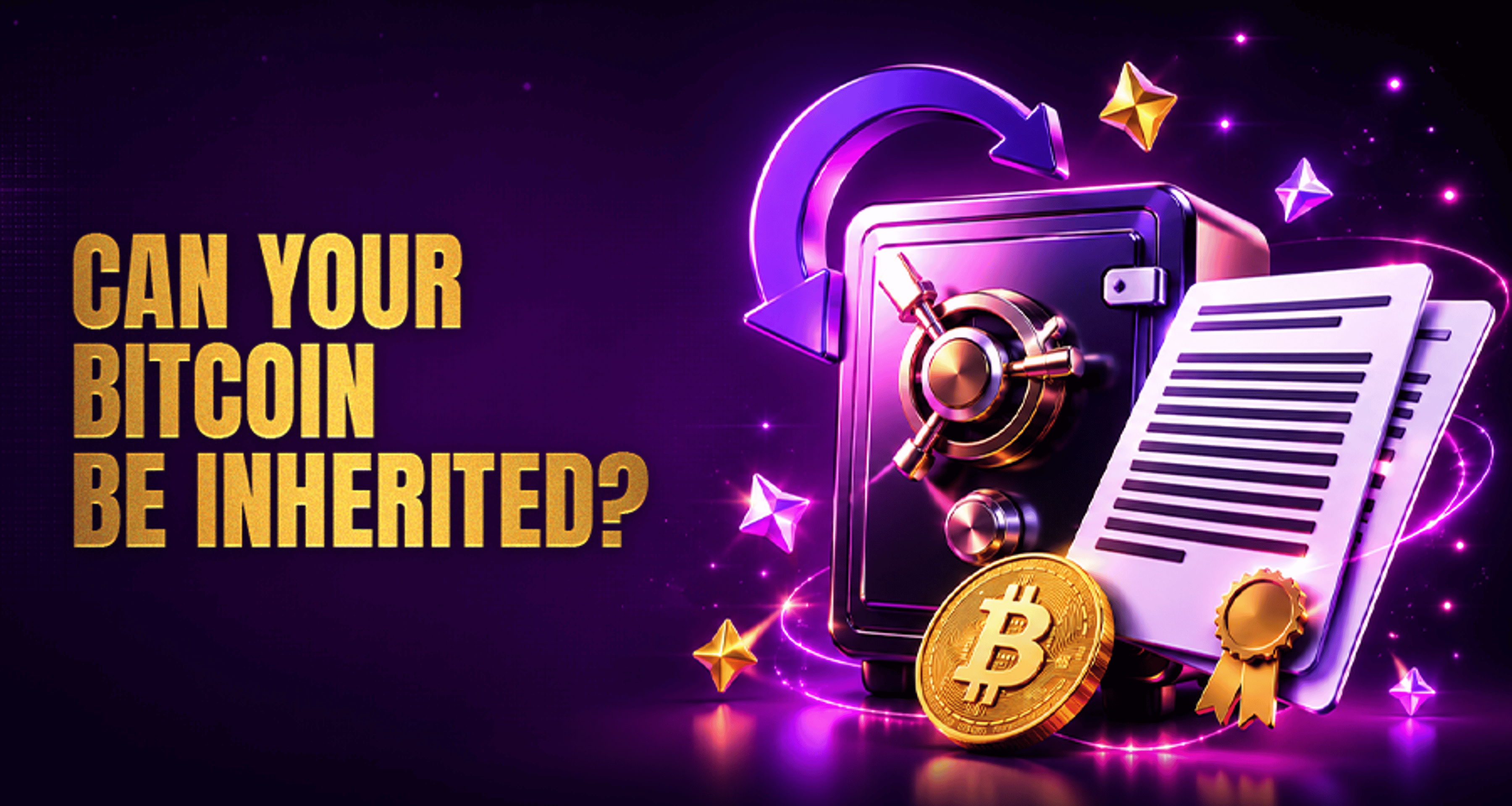
Crypto inheritance planning refers to the process of preparing your cryptocurrency assets so they can be legally and technically transferred to heirs after death.
Unlike traditional banking systems, crypto has no automatic recovery process. Ownership is controlled entirely by private keys and seed phrases.
Why digital assets require special inheritance rules
Cryptocurrency is decentralized. That means:
No central authority can reset access
No bank can recover lost wallets
No support system exists for inheritance requests
Because of this, planning is not optional—it is necessary for asset survival.
Difference between traditional vs crypto inheritance
Aspect | Traditional Assets | Crypto Assets |
Access recovery | Bank/legal system | Private key only |
Ownership transfer | Probate process | Manual key transfer |
Recovery support | Available | Not available |
Risk of loss | Low | High if unplanned |
Why Crypto Assets Are at Risk After Death
Crypto assets are permanently tied to access credentials. Without planning, they can become inaccessible forever.
Private keys and seed phrases as single points of failure
Your wallet is controlled by:
Private key
Seed phrase (12–24 words)
If both are lost, recovery is impossible—even by exchanges.
This makes crypto estate planning essential for long-term holders.
Irreversible loss of blockchain funds
Blockchain transactions are:
Permanent
Unchangeable
Non-reversible
Once access is lost, funds remain on-chain but cannot be moved.
Real-world examples of lost crypto wealth
Industry estimates suggest millions of Bitcoin are permanently lost due to:
Forgotten seed phrases
Deceased owners
Poor backup systems
This highlights why proper inheritance setup is critical.
How Crypto Inheritance Actually Works
Understanding ownership models is the foundation of any bitcoin inheritance guide.
Custodial wallets vs non-custodial wallets
Custodial wallets: Managed by exchanges
Non-custodial wallets: Controlled by users
Non-custodial wallets offer full control but require full responsibility.
Role of exchanges like Coinbase and Binance
Platforms such as Coinbase and Binance may assist with inheritance claims through legal documentation, but access is not automatic.
Legal vs technical ownership of assets
Legal ownership = documented in wills or estate plans
Technical ownership = access via private keys
Both must align for successful inheritance.
Best Crypto Inheritance Strategies
Setting up a crypto will
A crypto will should:
List all digital assets
Define beneficiaries
Include access instructions (securely stored separately)
Using multisig wallets for shared control
Multisignature wallets require multiple approvals before funds can move. This reduces single-point failure risk.
Dead man’s switch systems
These systems automatically transfer access if inactivity is detected over time.
Cold storage solutions (Ledger & Trezor)
Hardware wallets such as Ledger Nano X and Trezor are widely used for secure long-term storage.
They protect assets offline, reducing hacking risk significantly.
Step-by-Step Crypto Estate Planning Guide
1. Document your assets and wallets
Create a secure list of:
Wallet addresses
Exchange accounts
Stored assets
2. Secure seed phrase backup methods
Never store seed phrases online. Recommended methods:
Steel backup plates
Offline encrypted storage
Split storage in multiple secure locations
3. Assign a digital executor
Choose a trusted person who understands:
Crypto wallets
Access procedures
Legal requirements
4. Legal documentation and jurisdiction planning
Include crypto assets in your will and ensure compliance with your local legal system.
Tools & Platforms That Support Crypto Inheritance
Modern tools help reduce inheritance risks and improve asset security.
Wallet providers
MetaMask (non-custodial wallet for Ethereum ecosystem)
Ledger Nano X (cold storage security)
Trezor (hardware wallet protection)
Exchange inheritance features
Coinbase offers account recovery through legal requests
Binance supports account access procedures under verified documentation
Smart contract automation
Smart contracts can automate inheritance by:
Triggering transfers after inactivity
Executing predefined rules
Removing human error from the process
Conclusion
Crypto inheritance is no longer optional for serious investors—it is a necessity. Without proper planning, digital assets can be permanently lost due to inaccessible private keys or missing instructions. A strong crypto inheritance planning strategy combines secure storage, legal documentation, and structured access control.