Live Casino Game Show Volatility Explained
Live casino game show volatility explained in simple terms means understanding how often a game tends to pay, how large those payouts can be, and how much your results may swing during a session.
Live casino game show volatility explained in simple terms means understanding how often a game tends to pay, how large those payouts can be, and how much your results may swing during a session.
In live casino game shows, volatility is not just about winning or losing often. It is shaped by wheel layouts, bonus-trigger mechanics, multiplier features, and the gap between common payouts and rarer big hits.
That is why two game shows can feel completely different even when they look equally entertaining on the surface. One may produce frequent small returns that keep play moving smoothly, while another may deliver long quiet stretches followed by occasional bonus rounds or bigger payout spikes.
For players trying to make sense of game-show risk, volatility is useful because it describes payout pattern and swing potential. It does not tell you a game is fairer, easier, or more beatable, and it does not guarantee any specific result.
What volatility means in live casino game shows
In plain language, volatility describes how uneven or swingy a game’s payout pattern feels over time.
Lower-volatility game shows tend to offer more regular smaller results
Medium-volatility game shows often balance steady action with occasional stronger bonus moments
Higher-volatility game shows may have longer dry spells but reserve more of their excitement for rarer features, bigger multipliers, or top-heavy payout outcomes
In live casino game shows, this matters because the experience is built around spectacle as much as math. A large spinning wheel, random bonus triggers, or feature ladders can make a title feel dramatic, but those same features can also concentrate value into less frequent events.
So when players say a game show feels “cold,” “swingy,” or “streaky,” they are often reacting to volatility rather than to any change in fairness.
Volatility vs RTP: why they are not the same thing
Volatility is often mixed up with RTP, hit frequency, and variance, but they are not interchangeable.
Volatility
Volatility describes the likely shape of results across play. It helps explain whether outcomes are usually flatter and steadier or more uneven and dramatic.
RTP
RTP, or return to player, is a theoretical long-run percentage built into a game’s payout structure. It does not tell you how that return is distributed from one session to the next. Two games can have similar RTP figures on paper but feel very different if one spreads returns more evenly and the other concentrates value in rarer bonus outcomes.
Hit frequency
Hit frequency refers to how often a game produces some kind of return. That return may be small, modest, or substantial. A game can hit fairly often and still feel unsatisfying if most returns are low. On the other hand, a game with fewer hits may feel more volatile because more of its value sits inside occasional features.
Variance
Variance is closely related to volatility and is often used in a more technical way. In practical player-facing content, the terms are frequently treated as near equivalents. The key point is that both refer to result dispersion, not to guaranteed value.
If you want a stronger framework for keeping your decision-making grounded while playing, guides like Smart Player Habits That Win At Live Casino Tables can help you focus on discipline rather than myths about reading outcomes.
What makes a live game show more or less volatile
Live casino game shows do not all share the same risk profile. Their volatility is created by how the game distributes value across base outcomes and features.
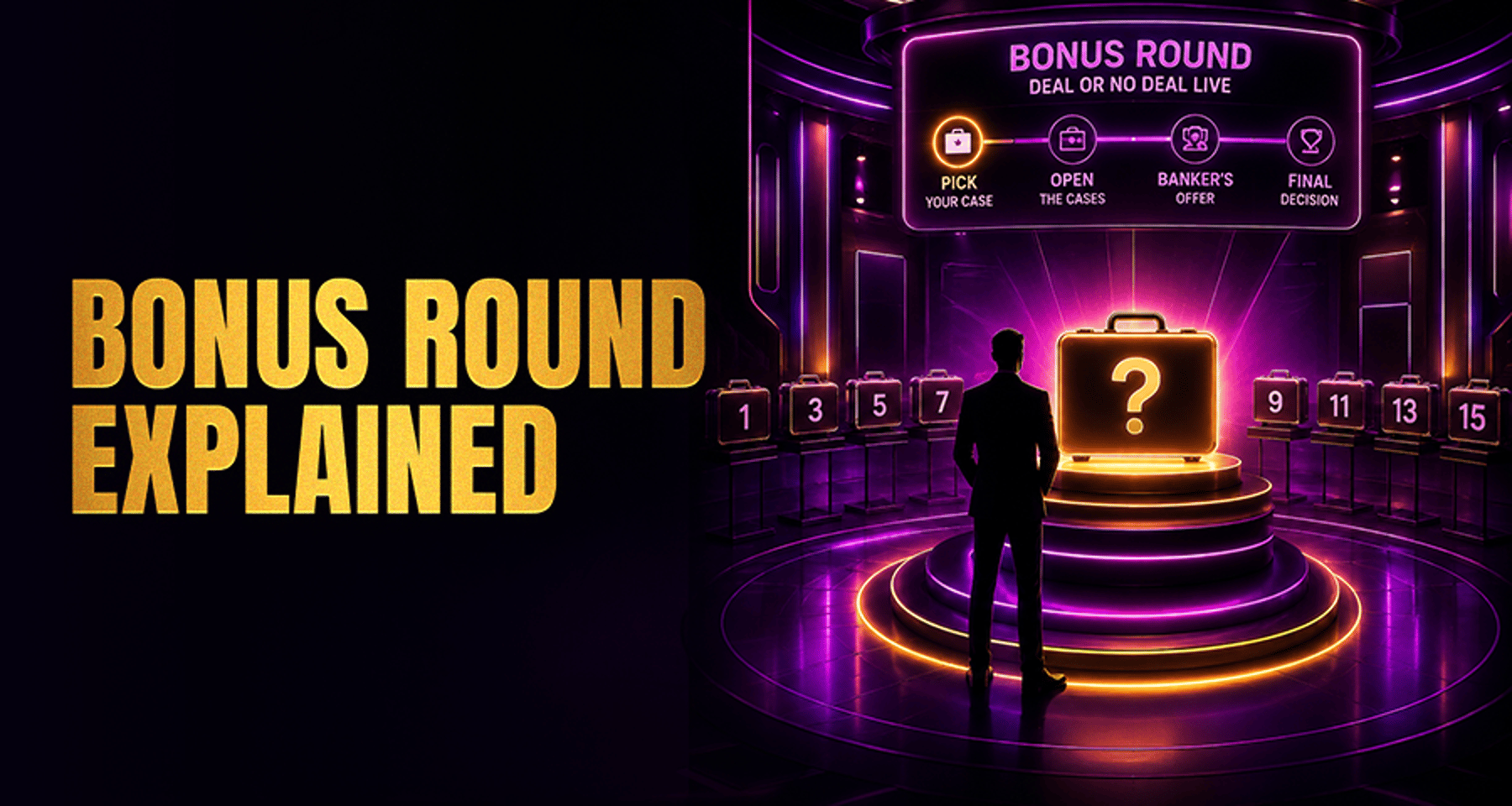
Bonus rounds
Bonus rounds are one of the biggest drivers of volatility. If a title places a meaningful share of its potential payout inside special features that trigger only occasionally, the game will usually feel more volatile than one that pays more evenly through regular wheel results.
Multipliers
Multipliers can sharply increase volatility, especially when they apply unpredictably or only to certain segments. They widen the gap between ordinary rounds and standout rounds, making results feel more uneven.
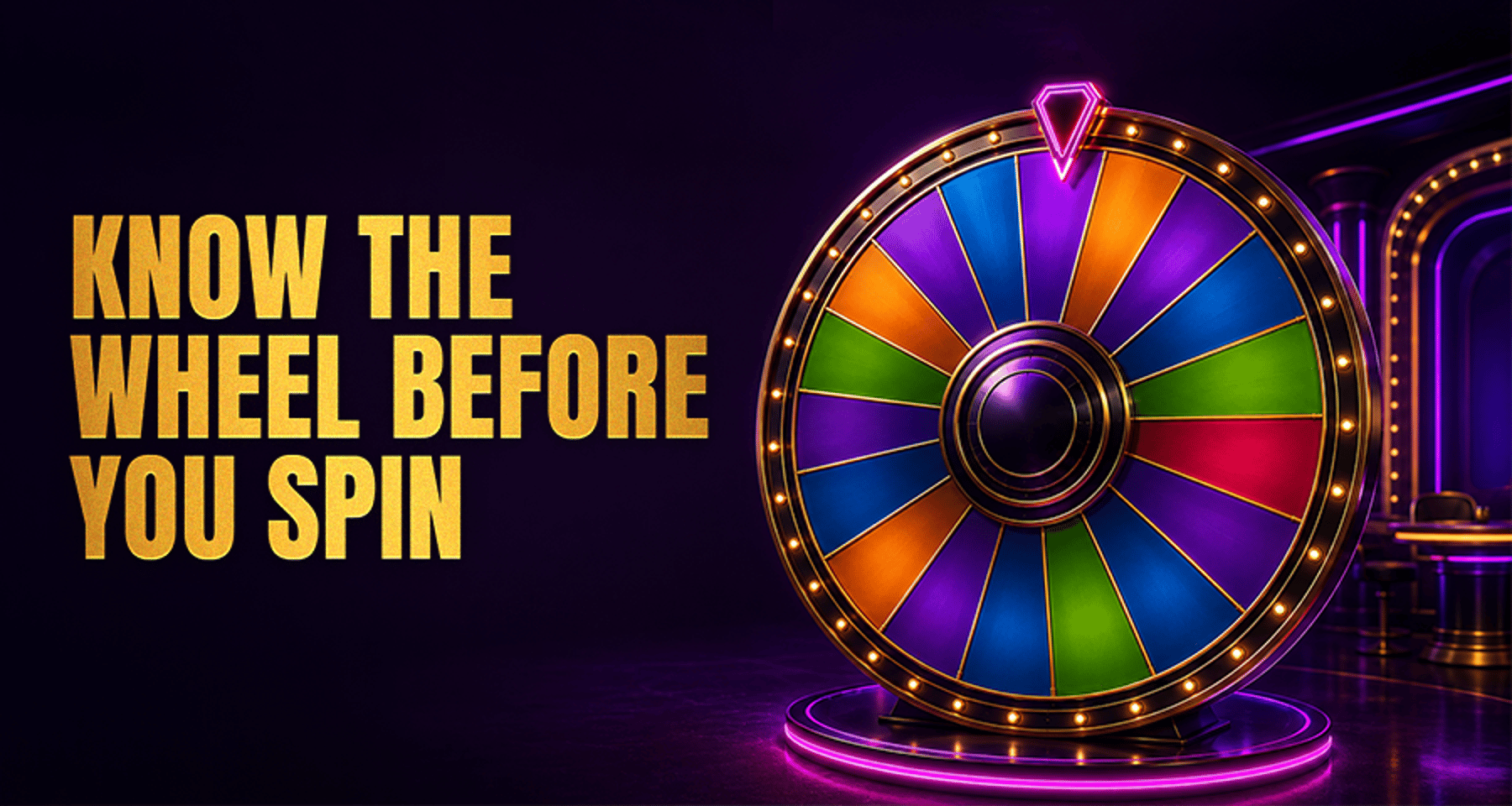
Wheel segment design
The composition of the wheel matters. A wheel with many standard low-paying segments and a few segments that unlock bonus potential can create long stretches of smaller outcomes punctuated by more dramatic events. A more balanced wheel may feel steadier, even if it still includes feature rounds.
Payout distribution
Some game shows are top-heavy. That means a larger share of their excitement and payout potential sits in rarer events. Others are flatter, with more of the experience coming from smaller but more regular returns. This distribution is the real heart of volatility.
Feature layering
When a game combines multiple bonus stages, random enhancements, or escalating multipliers, volatility usually rises. Each extra layer can increase uncertainty around when value appears and how concentrated it becomes.
That is also why the presentation of a game can influence perception. If you want a broader sense of how atmosphere and table format shape player experience, Live Casino Dealer Experience First 2026 Ready Guide offers helpful context around how live products are designed to feel.
Low-, medium-, and high-volatility game show examples
Rather than assigning unverified ratings to individual titles, it is safer and more useful to look at the types of mechanics that often create lower-, medium-, or higher-volatility experiences.
Lower-volatility feel
A game show may feel lower volatility when:
Smaller standard outcomes appear regularly
Bonus value is not overly concentrated in rare events
Multipliers are limited or less extreme
The gap between common and uncommon outcomes is relatively modest
These games may suit players who want longer sessions with less dramatic bankroll movement.
Medium-volatility feel
A game show may feel medium volatility when:
Base results show up often enough to keep the session active
Bonus rounds matter, but do not dominate the entire payout profile
Multipliers add excitement without making every session feel all-or-nothing
This middle ground often appeals to players who want a balance between steady entertainment and occasional feature spikes.
Higher-volatility feel
A game show may feel higher volatility when:
Big moments depend heavily on bonus triggers
Multipliers can create wide payout jumps
Long stretches of ordinary outcomes are possible
A large share of the game’s appeal sits in rarer premium events
Many well-known game shows are discussed this way because their identity is tied to dramatic bonus rounds. But high volatility is not inherently better. It simply means a player may experience larger swings and more uneven pacing.
How volatility affects bankroll swings and session style
Volatility has a direct effect on how a session feels.
In lower-volatility formats, bankroll movement may feel smoother. Players may see more frequent smaller returns, which can create a steadier rhythm and a more measured pace.
In higher-volatility formats, sessions can feel much more dramatic. A player may go through extended stretches without a meaningful feature, then suddenly hit a bonus sequence or multiplier event that changes the short-term result. That does not mean the game became favorable in that moment. It simply reflects a payout structure with wider swings.
This is why volatility matters for session style:
Smaller bankroll comfort: steadier formats may feel easier to manage
Entertainment-first sessions: some players prefer frequent action over rare spikes
Big-moment appeal: others enjoy the suspense of waiting for premium features
Time horizon: shorter sessions can feel harsher in higher-volatility titles because major features may not appear during that window
It also helps to separate gameplay judgment from hype. Content, streamers, and highlight clips often showcase unusual outcomes, but that can distort how a game usually behaves. How Streaming Influencers Affect Gambling Choices is a useful companion read if you want to understand how outside presentation can shape expectations.
How to choose the right live game show for your risk comfort
The best live casino game show is not the one labeled highest volatility or biggest excitement. It is the one that fits your bankroll comfort, session goals, and preferred pace.
Choose based on bankroll comfort
If you do not want sharp swings, look for formats that seem to offer a steadier flow of outcomes and less dependence on rare bonus events. If you are comfortable with wider fluctuations, a more feature-heavy title may suit you better.
Choose based on session goals
Ask what kind of session you want:
A relaxed session with smoother pacing
A balanced session with regular action and occasional spikes
A high-drama session built around the chance of standout bonus moments
Choose based on entertainment preference
Some players enjoy predictable rhythm. Others enjoy suspense, spectacle, and the possibility of bigger swings. Neither approach is automatically smarter. It is a fit question, not a quality ranking.
Keep expectations realistic
Volatility can help you understand a game’s personality, but it cannot help you predict outcomes or overcome the house edge. It is a descriptive tool, not a strategy shortcut.
For a broader player mindset, The Unwritten Rules Of Live Casino Play Smart Play Respectfully is a good next read before exploring different live game show formats.
Final thoughts
Live casino game show volatility explained properly comes down to one idea: volatility describes how payouts tend to arrive, not whether a game is fair, generous, or guaranteed to return anything in your session.
In game show formats, volatility is shaped by bonus rounds, multiplier design, wheel composition, and how much value is concentrated in rarer events. That is why one title can feel smooth and steady while another feels dramatic and swing-heavy.
If you use volatility as a way to match games to your bankroll comfort and entertainment style, it becomes a practical decision-making tool. Just keep it in the right lane: it helps describe payout patterns, not predict results.
FAQ
What does volatility mean in live casino game shows?
Volatility describes how swingy a game’s payout pattern feels. In live casino game shows, it reflects whether outcomes are usually smaller and steadier or more uneven with rarer bigger moments.
Is a high-volatility live game show better than a low-volatility one?
No. High volatility is not inherently better. It simply means wider swings and greater dependence on standout features or larger payout moments. The better choice depends on your bankroll comfort and play style.
How is volatility different from RTP in live casino games?
RTP is a theoretical long-run return measure, while volatility describes how payouts are distributed along the way. Two games can have similar RTP but very different session feel.
Are bonus rounds the reason some game shows feel more volatile?
Often, yes. Bonus rounds, especially when paired with multipliers or rare triggers, can concentrate value into less frequent events and make a game feel more swingy.
Which live casino game shows suit smaller bankrolls?
Generally, players with smaller bankrolls may feel more comfortable with game shows that appear to have steadier pacing, more regular smaller returns, and less reliance on rare premium features. Exact fit depends on the title’s design and your own risk tolerance.