Crypto Wallet Hack: How to Protect Your Funds Fast
In this article, you’ll learn how these hacks happen, why gamblers are especially vulnerable, and the proven steps to secure your digital assets.
What Is a Crypto Wallet Hack (Simple Explanation)
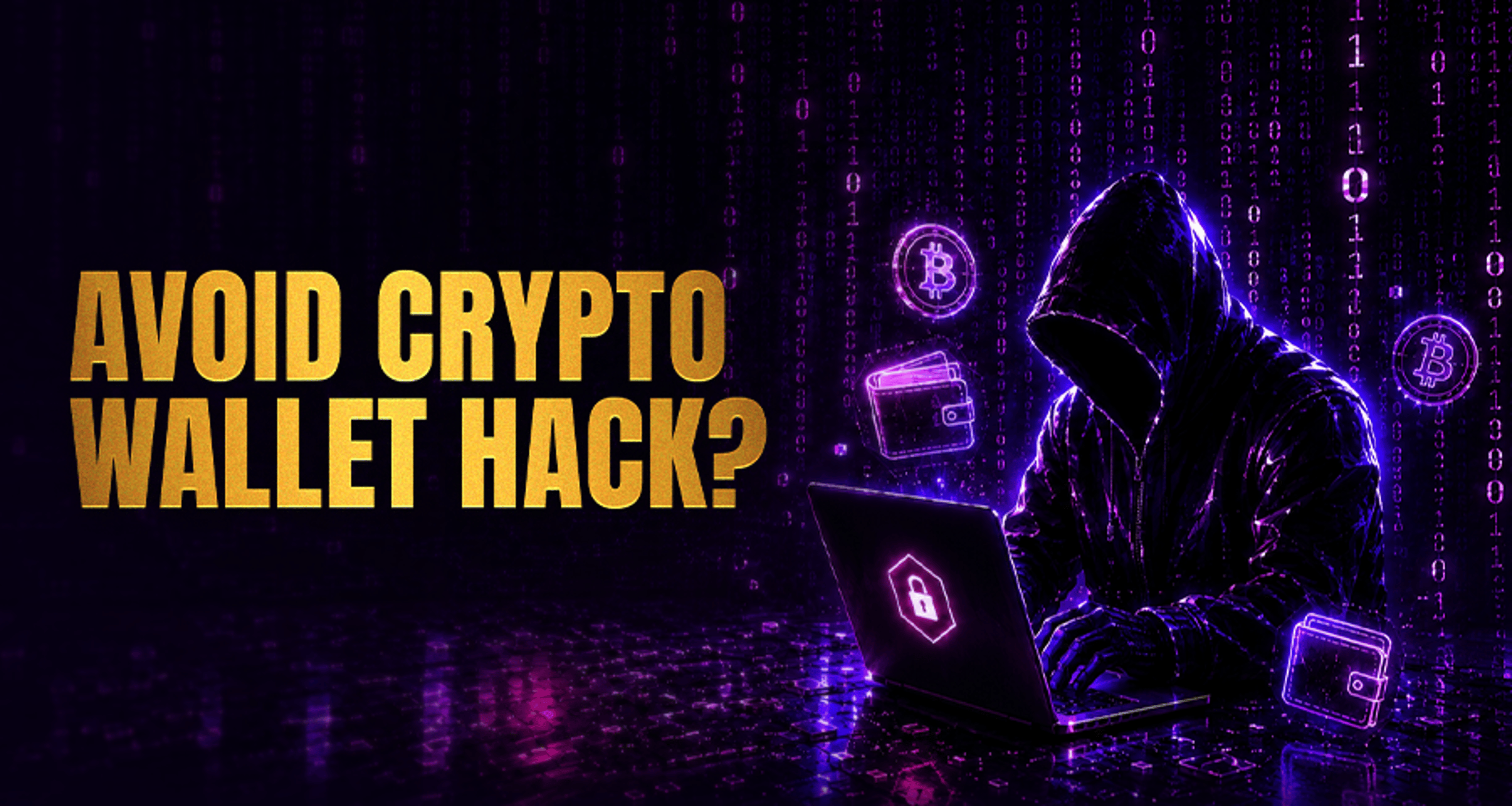
A crypto wallet hack occurs when attackers gain unauthorized access to your wallet and steal funds. This can happen through phishing, malicious connections, or stolen seed phrases.
Real-world Example (Casino User Loses Funds)
Imagine a casino player who connects their wallet to a fake dApp promising “instant slot bonuses.” Within minutes, their funds vanish. This shows how gambling users, often chasing quick wins, are prime targets.
Why Hacks Are Increasing in 2026 (AI + Human Error)
AI-powered scams surged by over 1,000% last year. Attackers now use deepfake support agents, automated bots, and insecure APIs to trick users. Combined with human error, this creates the perfect storm.
How Crypto Wallet Hacks Actually Happen
Crypto wallet hacks aren’t about “breaking blockchain code.” They exploit human behavior and weak security practices.
Phishing Attacks & Fake Websites
Scammers clone casino platforms or wallet sites, tricking users into entering private keys.
Malicious Wallet Connections
Connecting to unknown dApps can silently grant hackers permission to drain funds.
Seed Phrase Theft & Human Mistakes
Writing seed phrases on insecure devices or sharing them online is a common error.
AI-Powered Scams (Deepfake Support, Bots)
Fraudsters now use AI-generated voices and fake support chats to manipulate users.
What To Do Immediately If Your Wallet Is Hacked
Move Remaining Funds Fast: Transfer assets to a secure wallet immediately.
Revoke Smart Contract Access: Use tools like Etherscan or Revoke.cash to cut off malicious permissions.
Secure New Wallet: Create a new wallet with fresh seed phrases.
Report Incident (Exchanges, Platforms): Notify exchanges like Coinbase, Binance, or Kraken to flag suspicious activity.
Proven Ways To Prevent Crypto Wallet Hacks
Use Hardware Wallets: Brands like Ledger and Trezor provide offline protection.
Never Share Seed Phrases: Keep them offline and never store digitally.
Avoid Unknown dApps: Stick to verified platforms with strong reputations.
Use Multi-Factor Authentication: Enable MFA on exchanges and wallets for added security.
Best Secure Wallets in 2026 (Expert Picks)
Wallet Type | Example | Security Level | Best For |
Hardware | Ledger, Trezor | Very High | Long-term storage |
Mobile | MetaMask, Trust Wallet | Medium | Daily use |
Exchange | Coinbase Wallet | High | Beginners |
Optimized for mobile viewing with scrollable layout.
Conclusion
Crypto wallet hacks are rising, but with the right precautions, you can protect your funds. Always use hardware wallets, avoid risky dApps, and stay alert to phishing scams. By following these steps, you’ll reduce your risk of a crypto wallet hack and keep your assets safe.