FIFA World Cup 2026: Betting, Casinos & Trends
This article explores how FIFA World Cup 2026 will transform sports betting ecosystems, digital casinos, and sportsbook innovation worldwide.
FIFA World Cup 2026 Overview
The FIFA World Cup 2026 represents a major evolution in international football, expanding both scale and commercial reach.
Tournament format (48 teams, 39 days)
The 2026 edition will feature 48 national teams, increasing competition diversity and match volume. This expansion results in more betting opportunities across group stages, knockout rounds, and live in-play markets. More matches also mean higher sportsbook liquidity and broader wagering options.
Hosting nations (USA, Canada, Mexico)
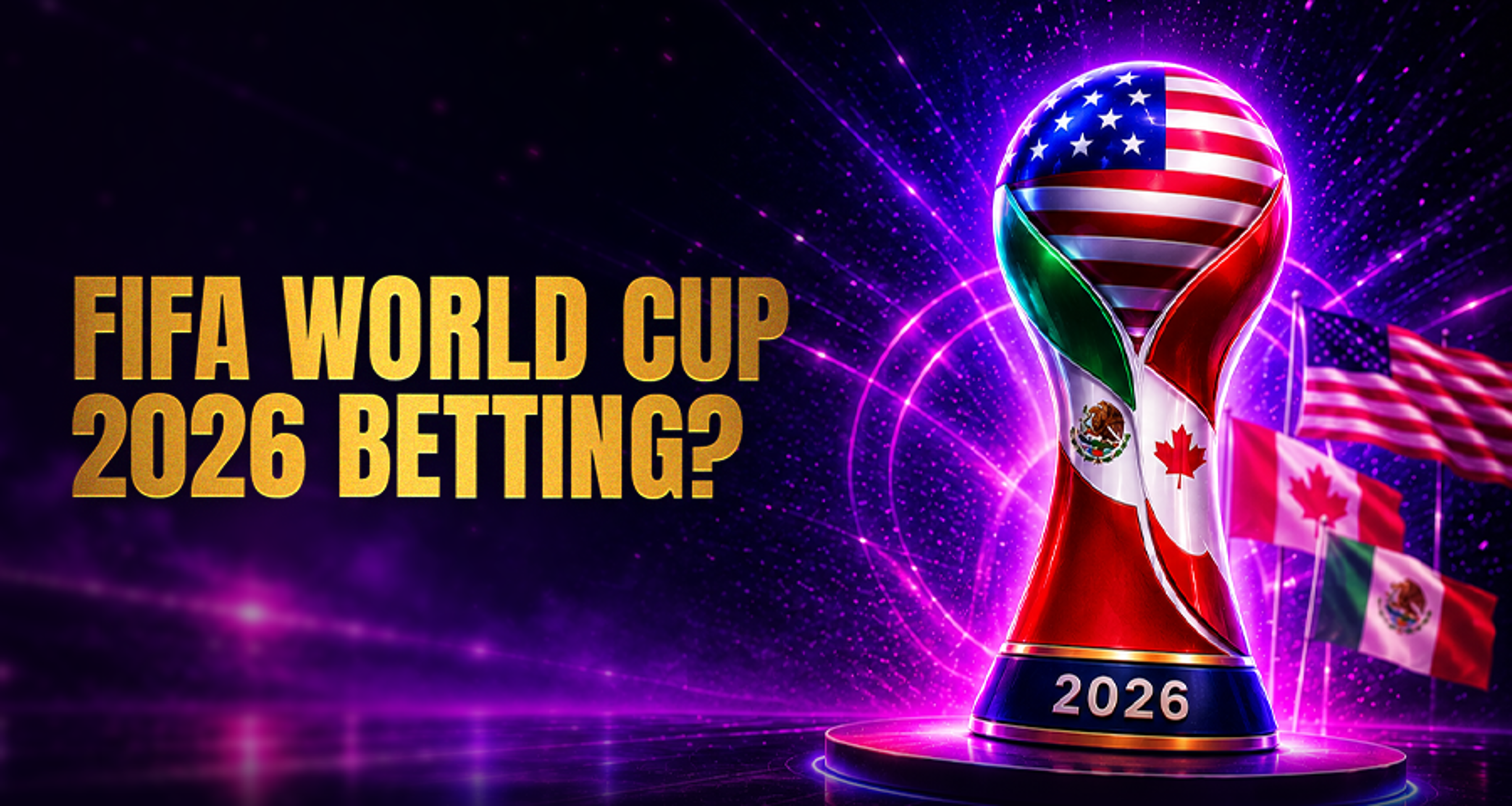
For the first time in history, the tournament will be co-hosted by three countries: the United States, Canada, and Mexico. This tri-nation structure significantly increases market exposure, particularly in North America where sports betting legalization continues to expand.
Sports Betting Trends
The FIFA World Cup 2026 will drive major shifts in betting behavior, particularly in digital-first environments.
Rise of mobile betting apps
Mobile wagering will dominate user engagement during the tournament. Bettors increasingly rely on sportsbook applications for instant odds, live updates, and push-based betting recommendations. This trend reinforces the importance of UX optimization and real-time data delivery.
Live in-play wagering
Live betting is expected to be the fastest-growing segment during the tournament. Users will place bets based on match momentum, player performance, and real-time statistics. This dynamic creates higher engagement but also requires advanced risk management systems from operators.
Gamification and interactive dashboards
Modern sportsbooks are integrating gamification features such as reward systems, prediction streaks, and interactive dashboards. These tools improve user retention and encourage repeated engagement throughout the tournament cycle.
Global Market Insights
The betting ecosystem surrounding the FIFA World Cup 2026 is deeply influenced by regional regulation and market maturity.
US legalization and New Jersey case study
The United States remains one of the fastest-growing regulated sports betting markets. States like New Jersey have demonstrated how legalization can significantly increase tax revenue, user engagement, and operator competition. This model is expected to scale further during the World Cup period.
Brazil and South Africa emerging markets
Emerging regions such as Brazil and South Africa are experiencing rapid digital betting adoption. Mobile penetration and football popularity create strong conditions for sportsbook expansion, even in partially regulated environments.
Germany’s regulatory framework
Germany represents a highly structured and compliant betting market. Strict regulations ensure consumer protection while limiting aggressive advertising. However, demand for football betting remains consistently high, especially during global tournaments.
Expert Predictions for the Future of World Cup Betting
Industry experts suggest that the FIFA World Cup 2026 will accelerate long-term transformation across betting, data analytics, and digital casinos.
Will AI change football betting forever?
Artificial intelligence is increasingly used to predict match outcomes, analyze player performance, and optimize betting odds. Predictive models now process millions of data points in real time, improving sportsbook accuracy and user personalization. Data-driven wagering is expected to become a standard feature in future betting platforms.
Could crypto casinos dominate emerging markets?
Crypto-based casinos are expanding rapidly in regions with limited banking infrastructure. Blockchain technology enables faster transactions, enhanced privacy, and decentralized betting systems. As mobile adoption increases, crypto casinos may play a larger role in World Cup-related wagering ecosystems.
The long-term impact on the global gambling industry
The integration of sports entertainment and betting platforms is reshaping the gambling industry. Operators are moving toward hybrid ecosystems combining streaming, betting, and social interaction. This convergence is expected to redefine user expectations and increase lifetime player value across platforms.
Global Betting Market Comparison (Mobile Focus)
Region | Legal Status | Market Growth | Mobile Usage | World Cup Impact |
USA | Regulated | High | Very High | Very Strong |
Europe | Mixed regulation | Medium-High | High | Strong |
Latin America | Emerging | Very High | Very High | Very Strong |
Africa | Developing | High | High | Growing |
Asia | Restricted/Mixed | Medium | Very High | Moderate-High |
This comparison highlights how mobile-first behavior is becoming the dominant force across all regions, especially during global sporting events like the World Cup.
Conclusion
The FIFA World Cup 2026 will redefine the global betting landscape through expanded tournament structure, mobile-first engagement, and emerging technologies such as AI and blockchain. For players, operators, and marketers, understanding these shifts is essential to staying competitive in an increasingly data-driven gambling industry.