FUD in Crypto Explained: Avoid Panic Selling
In this guide, you’ll learn what crypto FUD really means, why it spreads so fast, and how experienced investors manage panic without falling into costly traps.
What Does FUD Mean in Crypto?
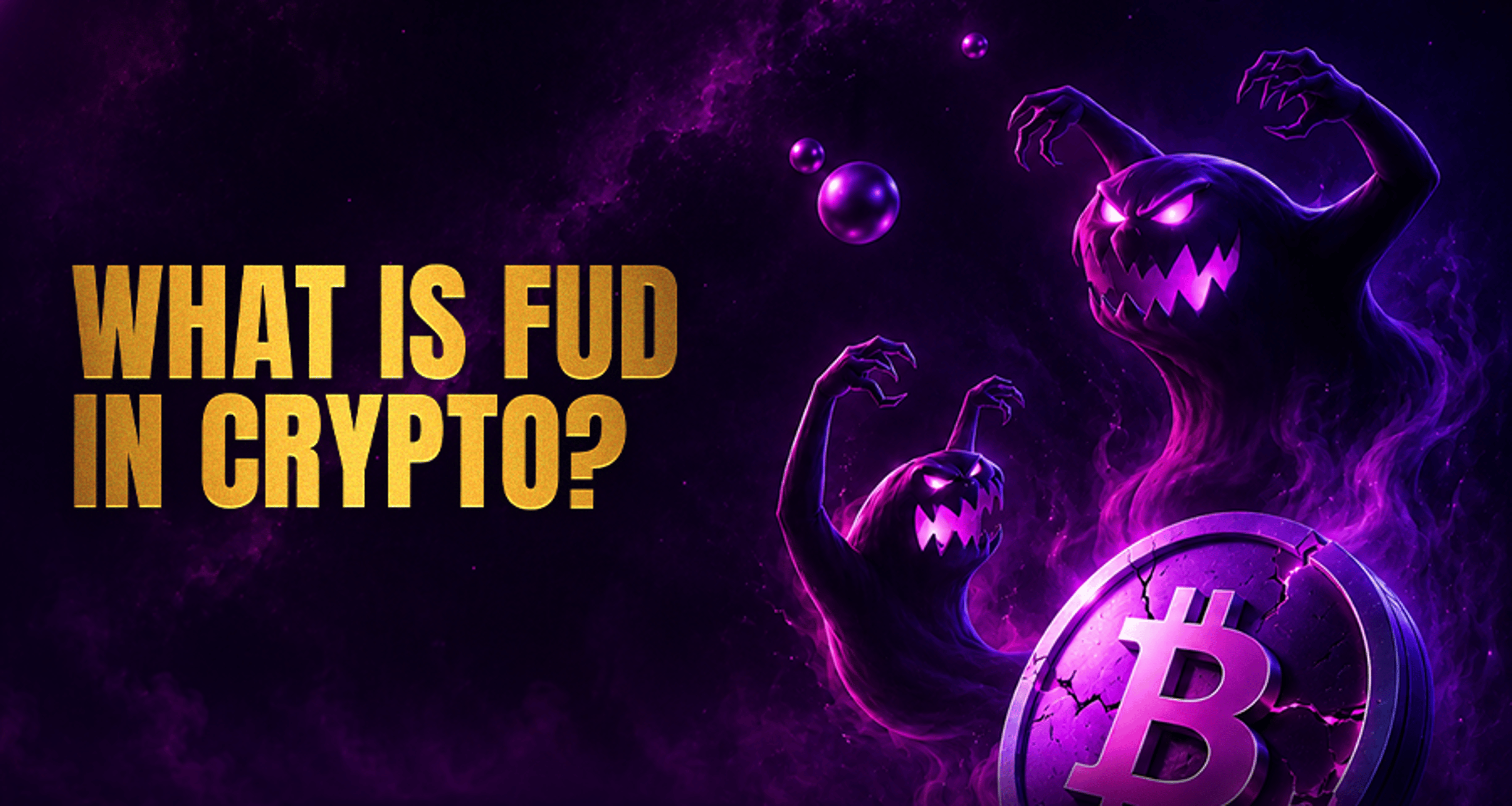
FUD in crypto refers to “Fear, Uncertainty, and Doubt,” a term used when negative news, rumors, or speculation cause investors to panic and sell assets quickly. Crypto markets react strongly to emotion because they operate 24/7 and rely heavily on investor sentiment.
Definition of Fear, Uncertainty, and Doubt
The term FUD originally came from traditional marketing and finance. In cryptocurrency, it describes negative narratives that damage confidence in assets like Bitcoin or Ethereum.
Examples include:
Exchange insolvency rumors
Government crackdowns
Security breach headlines
Whale sell-off speculation
False social media claims
Many traders use the word “FUD” to dismiss criticism, but not all warnings are fake. Some concerns are legitimate and backed by real risks.
Origin of the Term
The phrase became popular in tech industries decades ago before spreading into stock trading and crypto communities. Today, it is common across platforms like Reddit, Telegram, Discord, and X (formerly Twitter).
Crypto users constantly discuss:
Bitcoin crash fears
ETF rejection rumors
Stablecoin collapse concerns
Exchange liquidity problems
This is why the phrase appears frequently during bearish market conditions.
Difference Between FUD and Legitimate Criticism
One dangerous trend in crypto culture is labeling every warning as “FUD.”
This creates echo chambers where investors ignore valid concerns. The collapse of major crypto companies proved that some warnings should never be dismissed blindly.
Experienced traders separate emotional rumors from evidence-based criticism by checking: • On-chain data • Exchange reserves • Project transparency • Regulatory filings • Liquidity conditions
How FUD Spreads Through the Crypto Market
Social Media and Viral Panic
Social platforms accelerate crypto fear faster than traditional financial news channels.
Major drivers include:
X/Twitter threads
Reddit discussions
Telegram trading groups
YouTube influencers
When panic spreads online, inexperienced traders often react emotionally without verifying information.
A common cycle looks like this:
Stage | Market Reaction | Investor Emotion |
Rumor appears | Sudden volatility | Fear |
Influencers react | Selling pressure | Anxiety |
Media coverage grows | Liquidations increase | Panic |
Prices crash | Capitulation | Despair |
Whale Manipulation and Market Makers
Large investors, often called whales, can influence short-term price action by creating fear.
Common tactics include:
Triggering stop losses
Selling large positions suddenly
Creating fake bearish sentiment
Coordinated liquidation events
Fear-driven markets allow whales to buy assets at lower prices after retail traders panic sell.
This behavior appears frequently during leveraged trading periods.
Real Examples of FUD in Crypto History
Event | Market Reaction | Main Fear Trigger | Recovery Time |
FTX Collapse | Massive selloff | Insolvency fears | Several months |
China Ban News | Bitcoin drop | Regulation fears | Short-term |
SEC Lawsuits | Altcoin panic | Legal uncertainty | Ongoing |
Elon Musk Tweets | Volatility spike | Sentiment shift | Fast recovery |
ETF Rejections | Market correction | Institutional doubt | Moderate |
How Smart Investors Handle Crypto FUD
Focus on Fundamentals Instead of Headlines
Professional investors study utility, adoption, and blockchain activity rather than reacting emotionally to every headline.
Important indicators include:
• Developer activity
• User growth
• On-chain transaction volume
• Exchange reserves
• Real-world partnerships
Strong projects often survive temporary fear cycles.
Use Risk Management Strategies
Risk management is essential in speculative markets.
Smart traders protect capital using: • Diversified portfolios • Stop-loss levels • Controlled position sizing • Stablecoin allocations
These strategies reduce emotional pressure during sudden market drops.
Track Market Sentiment Properly
Tools like the Fear & Greed Index help investors understand overall market emotions.
Monitoring volume spikes, whale wallet activity, and funding rates also helps traders identify whether panic is temporary or supported by deeper market problems.
Learn to Identify Manipulation Campaigns
Not every scary headline deserves panic.
Investors should verify:
• Source credibility
• Blockchain evidence
• Official exchange announcements
• Regulatory confirmations
Fake rumors and engagement farming are increasingly common in modern crypto markets.
Conclusion
Understanding FUD in crypto is critical for surviving volatile markets. Fear spreads quickly, especially across social media, but emotional reactions often create costly mistakes. Before reacting to the next viral headline, take time to verify the facts, study the market context, and avoid making emotional decisions that could damage your portfolio long term.