Gas Fees Explained for Casino Users
Gas fees are one of the fastest ways crypto casino players lose money without ever placing a bet. Most people don’t notice it until they check their balance and think, “Wait… where did that go?” If you play with crypto and ignore gas fees, you're paying a cost you didn’t plan for. This article breaks it down from a player’s point of view, not a blockchain manual.
What Gas Fees Actually Are
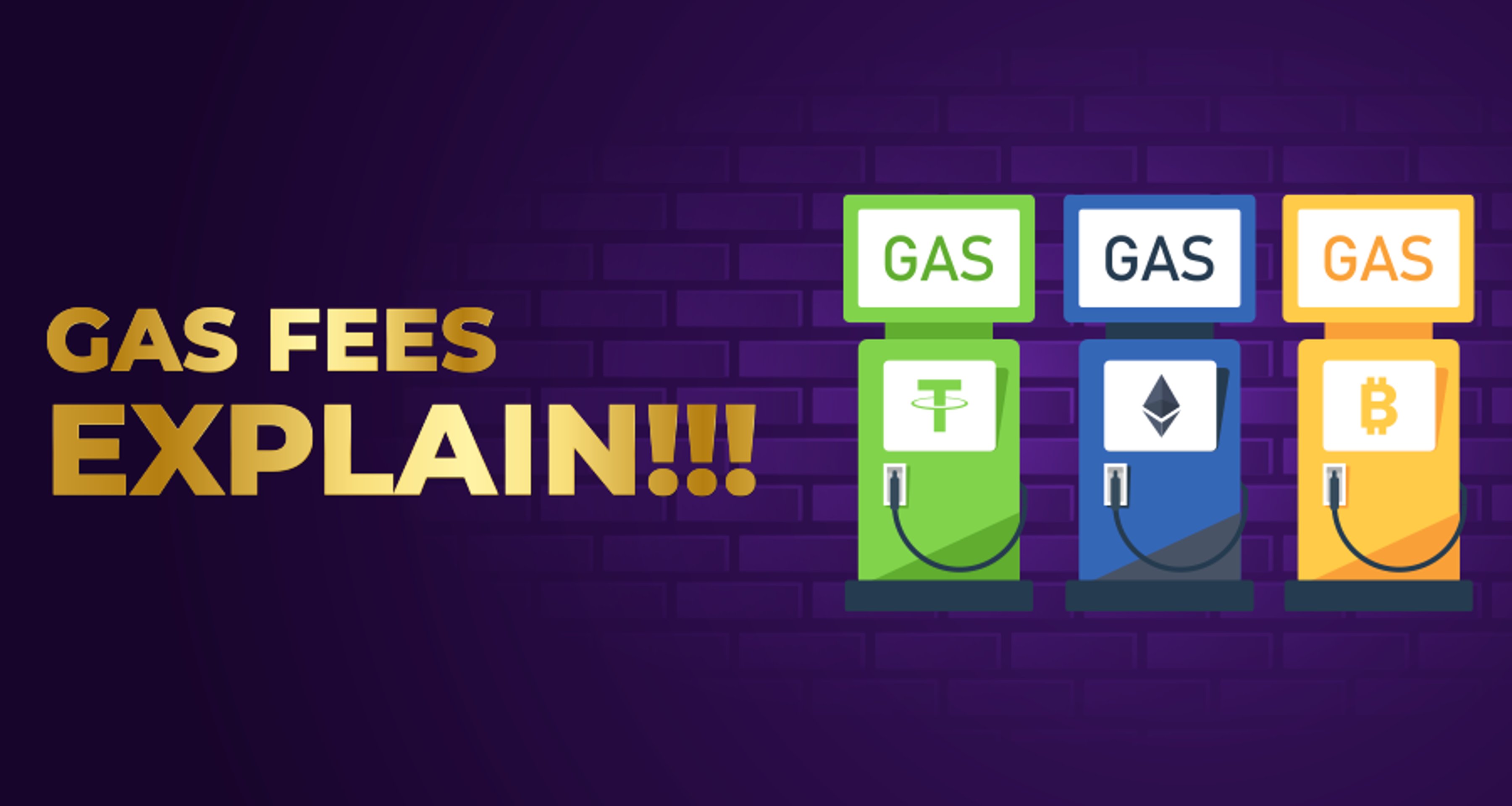
Gas fees are the cost of moving crypto on a blockchain. Every deposit, withdrawal, or transfer needs miners or validators to process it. They don’t work for free.
For casino users, that means:
Sending crypto to a casino costs gas
Withdrawing crypto from a casino costs gas
Failed or stuck transactions can still cost gas
You’re paying for the movement, not the gamble. And no, the casino usually doesn’t control this part.
Why Gas Fees Feel Random (But Aren’t)
Players often think gas fees are broken because they change constantly. One withdrawal is cheap. The next one hurts.
What’s really happening:
Network traffic spikes
Congestion increases
Validators prioritize higher-fee transactions
When lots of people are moving crypto - NFT drops, market swings, meme coin chaos - fees jump. Casinos don’t warn you. Wallets rarely explain it clearly. You just feel the hit.
Deposits vs Withdrawals: Where Fees Hurt More
Deposits usually feel painless. You’re focused on playing, not costs. Withdrawals are where reality shows up.
Small withdrawals get punished the hardest. If you pull out tiny amounts repeatedly, gas fees can eat a serious chunk of your winnings. One larger withdrawal almost always costs less than five small ones combined.
This is one of the most common mistakes crypto casino players make.
Why Some Chains Are Better for Casino Play
Not all blockchains behave the same. Some are:
Fast but expensive
Cheap but slow
Cheap until congestion hits
Ethereum is reliable but costly during peak times. Layer 2 networks and alternative chains often cost less, but they come with trade-offs like liquidity limits or fewer supported casinos.
Choosing the wrong chain doesn’t lose you money instantly - it leaks it slowly.
Stablecoins Don’t Mean Stable Fees
This catches a lot of players off guard. USDT on Ethereum and USDT on another network are not the same experience. Same token name, completely different gas costs depending on the chain.
Players think they’re being safe by avoiding volatility, then lose value on transfer fees instead. Stability doesn’t cancel infrastructure costs.
Gas Fees vs Casino Fees (Know the Difference)
Casinos may charge processing or withdrawal fees. Gas fees are separate.
Players often blame the casino when the real cost came from the blockchain. The problem is transparency. Both costs show up as “less money than expected,” and no one explains which is which.
Understanding the difference saves arguments and money.
Practical Ways Casino Players Reduce Gas Fees
No tricks. No cheating. Just smarter habits.
Things experienced players do:
Withdraw less often, in larger amounts
Avoid peak network hours
Use chains designed for frequent transfers
Double-check wallet gas settings
Don’t rush transactions unless necessary
None of this guarantees cheap fees. It just prevents avoidable damage.
Why Ultra-Low Fees Can Be a Red Flag
Here’s the uncomfortable part. If fees seem too cheap:
You might be on a low-security network
You might be using a poorly supported chain
You might be interacting with fake tokens
Cheap isn’t always better. In crypto casinos, reliability often matters more than saving a dollar on gas.
The Real Lesson for Casino Users
Gas fees aren’t a crypto flaw. They’re part of the system. The mistake players make is treating crypto like instant casino credits. It isn’t. It’s infrastructure first, entertainment second.
If you plan for gas fees, they’re manageable. If you ignore them, they quietly erase wins.
Final Thoughts
Gas fees don’t feel exciting, but they matter more than most players realize. You don’t need to master blockchain tech to play smarter, you just need to respect the cost of moving money.
In crypto casinos, winning isn’t just about what you hit. It’s about what you keep.