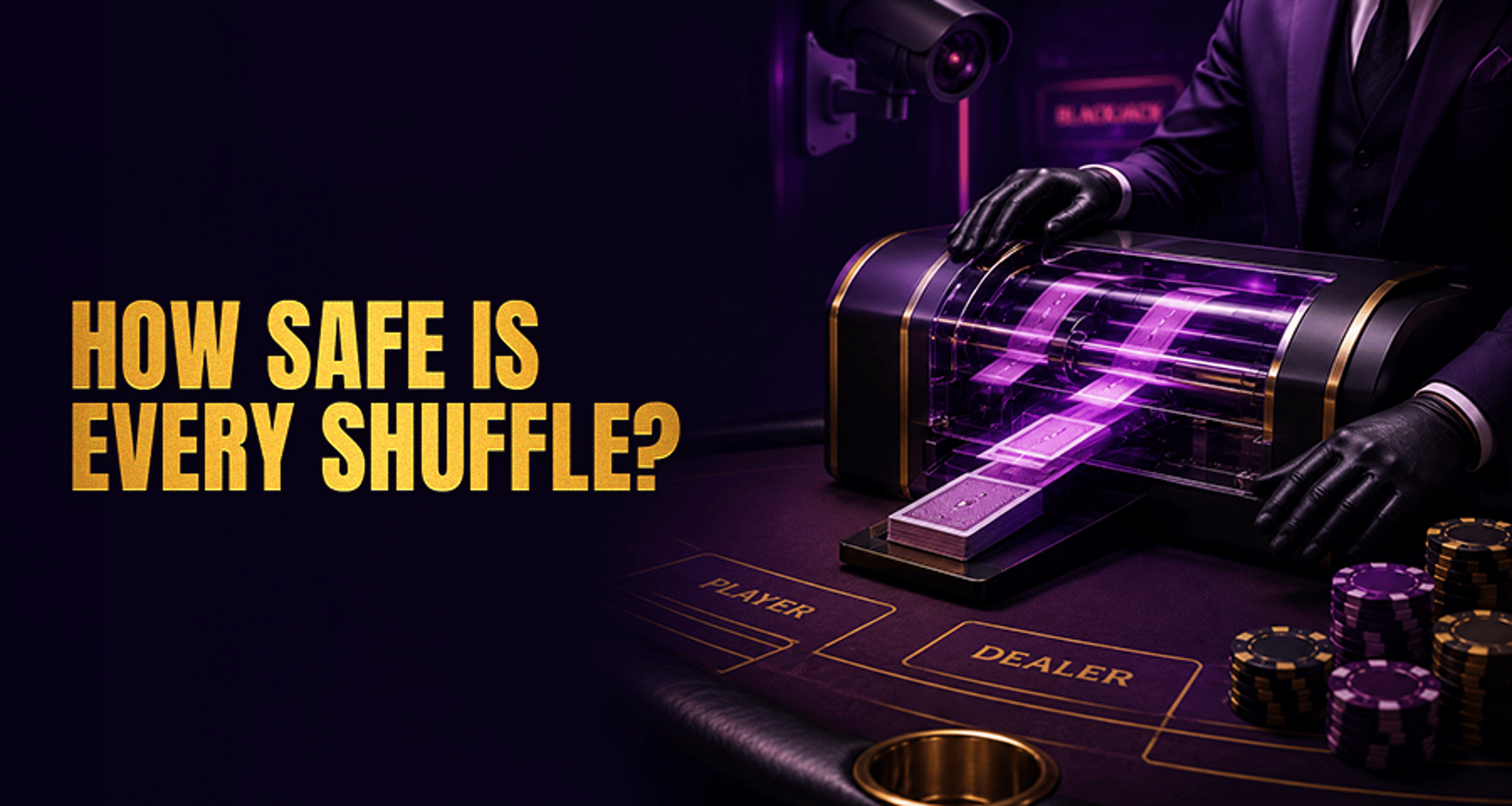
Live Dealer Shuffling Machines and Card Security
Live dealer shuffling machines card security is a practical topic for anyone trying to understand how trust works at online table games. In live blackjack a
Live dealer shuffling machines card security is a practical topic for anyone trying to understand how trust works at online table games. In live blackjack and similar card games, players can often see physical cards, a real dealer, and a studio or casino-style setup. That visibility makes card handling more important than many new players realize.
A shuffling machine can support cleaner procedures, reduce avoidable handling mistakes, and help standardize how decks move between rounds.
At the same time, it is only one part of a larger integrity system. Cameras, dealer training, pit supervision, and provider procedures still matter just as much.
This guide explains what live dealer shuffling machines are, how different shuffle methods work, and what players should actually look for when judging table professionalism.
What Are Live Dealer Shuffling Machines?
Live dealer shuffling machines are devices used to randomize playing cards in live card-table operations such as blackjack and certain baccarat-style formats. In a live casino environment, they typically appear on the dealer’s table or just beside the dealing area, where they help prepare cards for the next round.
Their main purpose is operational rather than magical. A machine helps organize the shuffle process so the dealer follows a more consistent routine when cards are collected, shuffled, and returned to play. In live blackjack, for example, the machine may be used after a shoe is completed, or it may continue mixing cards during play depending on the table format.
If you are newer to table setups, it helps to pair this topic with a broader look at the live casino dealer experience, because the machine only makes sense within the full table procedure.
How Automatic and Continuous Shufflers Differ
Not every live dealer card room uses the same type of shuffling process. The biggest differences usually come down to automatic shufflers, continuous shufflers, and manual shuffling workflows.
Automatic shufflers
An automatic shuffler usually takes a completed batch of cards, mixes them, and returns them ready for the next phase of play. This is often a batch-based process. The dealer finishes with a deck or shoe, places the cards into the machine, and later receives a shuffled set back.
Continuous shufflers
A continuous shuffler keeps cards cycling through the machine more regularly during ongoing play. Rather than waiting for the full batch to be shuffled only at the end of a sequence, used cards may be reintroduced in a controlled ongoing process according to the table’s operating procedure.
Manual shuffling
Some live tables still rely on manual shuffling for all or part of the workflow. In that setup, the dealer physically collects, spreads, mixes, and restacks the cards by hand before placing them back into the shoe or dealing position.
The important point is not that one method is automatically “perfect,” but that each method changes how cards are handled, how often they are exposed during transitions, and how standardized the routine becomes.
Why Card Security Matters in Live Dealer Games
Card security is about protecting the dealing process from unnecessary exposure, preventable mistakes, and opportunities for interference. In live dealer games, that includes how cards are shuffled, how they are transferred, how visibly they are handled, and whether the process is repeatable from round to round.
A secure-feeling table is usually one where the procedure looks calm, consistent, and easy to follow. Players tend to worry about whether a dealer can control outcomes, but many real trust signals are more basic: clean handling, clear camera angles, proper deck changes, and disciplined transitions between active play and reshuffling.
Questions about dealer influence often come from misunderstandings about what a dealer can and cannot do in a controlled setup. For a deeper look at that concern, see Can a Live Dealer Influence the Cards.
How Shuffling Machines Reduce Handling Risks
Shuffling machines can support card security in several practical ways.
Reduced handling errors
The more often cards are manually gathered, split, interwoven, squared, and transferred, the more chances there are for small human errors. A machine can reduce some of that repeated hand contact and make the transition from used cards to playable cards more orderly.
More consistent shuffle procedure
Standardized processes matter in professional live operations. A machine helps create a repeatable routine so the table does not depend entirely on one dealer’s personal speed or technique. Consistency supports oversight because supervisors and camera operators can more easily recognize when a process is being followed correctly.
Less opportunity for card exposure during transitions
Cards are most vulnerable when moving from one state to another: out of the discard pile, into a shuffle sequence, back into the shoe, or through a deck change. A machine can reduce how much open manual manipulation happens during those moments, lowering the chance of accidental exposure or sloppy handling.
Better operational flow
A smoother workflow can also reduce pressure on the dealer. When the dealing team is not rushing a long manual shuffle, it may be easier to maintain clean procedure and visible control over the cards.
What Shuffling Machines Cannot Prevent on Their Own
A balanced view matters here. A shuffling machine supports process integrity, but it does not by itself prove fairness of every result.
It does not guarantee that every table is run well. It does not replace competent staff. It does not remove the need for surveillance or deck inspection. And it does not answer every player concern about game operations just because cards pass through a machine.
It is also important not to confuse live card-table security with unrelated RNG-based game security concepts. Live blackjack and similar games depend on physical card procedures, visual oversight, and operational controls. The machine is one tool inside that system, not the whole system.
Other Security Layers Around Live Dealer Card Games
The strongest live casino integrity comes from multiple overlapping safeguards.
Surveillance and camera coverage
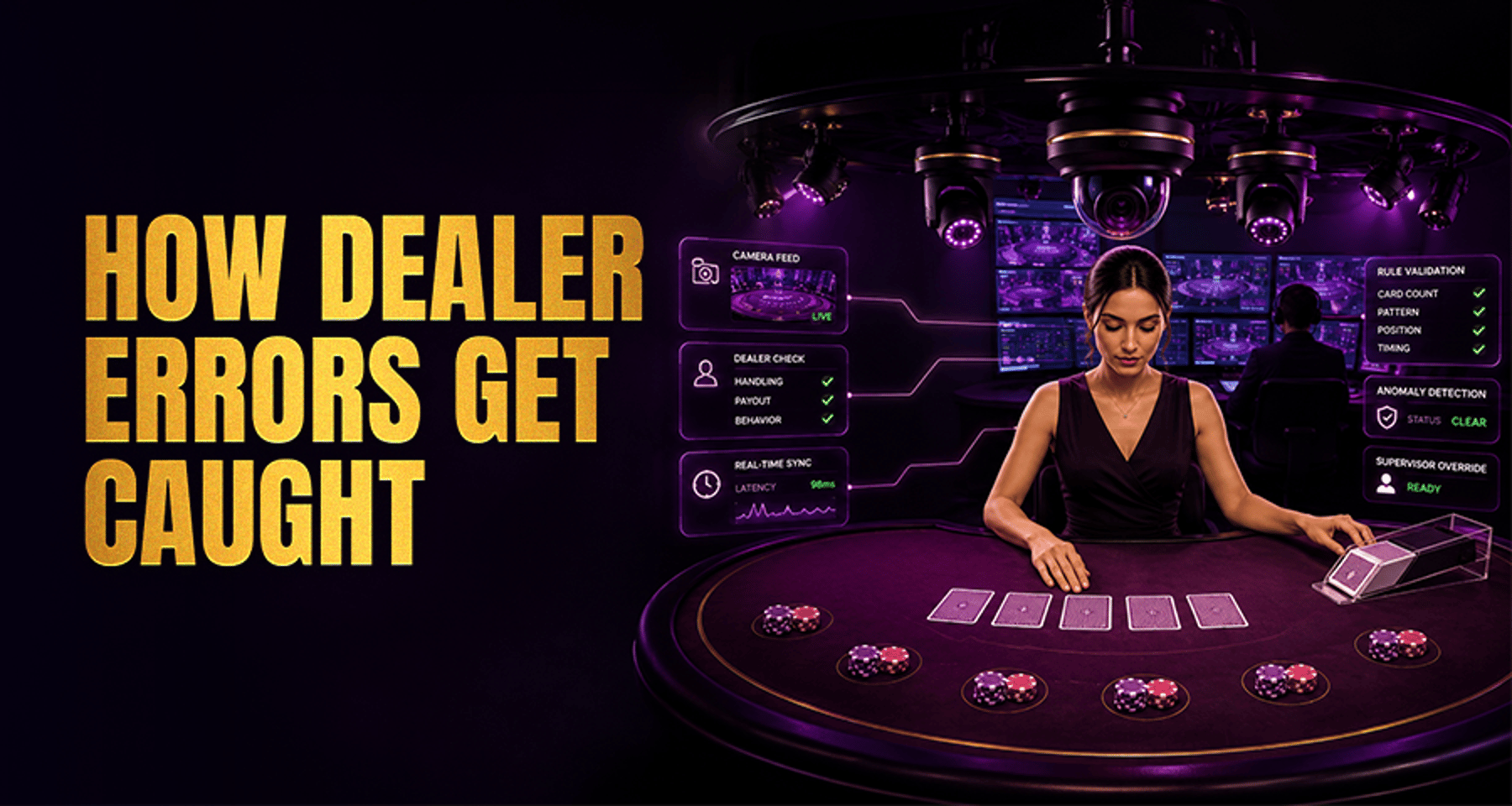
Live dealer environments are built around visibility. Clear camera angles help document card handling, dealing action, and table procedures. That visibility is one reason players can form their own opinion about whether a table looks professionally run.
Dealer training
Well-trained dealers follow specific steps for collecting cards, placing them into the shuffler, presenting the shoe, and maintaining a predictable dealing routine. Training helps reduce improvisation and supports consistency.
Pit supervision and floor oversight
Supervisors monitor whether table procedures are being followed. That includes watching pace, transitions, irregular handling, and overall compliance with the provider’s table process.
Deck inspection and change procedures
Cards themselves still need to be checked, replaced when necessary, and handled according to table rules. Even a well-functioning shuffler does not remove the need for proper deck management.
Provider operating procedures
Professional live studios rely on procedures that cover setup, dealing flow, hand resolution, shuffle timing, and incident response. That bigger structure is what gives the shuffling machine context.
If you want a more complete sense of how player behavior fits into a professional table environment, the guide to live casino etiquette and table conduct adds useful context.
How Players Can Read Trust Signals at the Table
Players do not need to guess blindly. There are visible signs that can help you assess whether a live table appears professionally managed.
Look for:
Clear and stable camera coverage of the dealing area
Smooth, repeatable dealer movements during card collection and shuffle transitions
A table layout that makes the shuffling device and discard process easy to follow
Calm dealer behavior rather than rushed or improvised handling
Obvious supervision and structured studio procedure
Clean deck changes or reshuffle moments without confusion
A trustworthy table usually looks organized more than flashy. The best signal is not hype but consistency.
Common Questions About Shuffle Integrity and Card Security
Do live dealer shuffling machines make blackjack fairer?
They can support a more consistent process and reduce some handling risks, but they do not by themselves prove that every outcome is fair. Fairness depends on the full operating environment, including staff procedure and oversight.
Can a live dealer manipulate cards when a shuffling machine is used?
A shuffling machine can reduce some opportunities for unnecessary handling during transitions, but it is only one control. The broader safeguards around the table are what matter most.
What is the difference between a continuous shuffler and an automatic shuffler?
A continuous shuffler keeps cards cycling through an ongoing process more regularly, while an automatic shuffler often handles cards in batches between phases of play.
Are shuffling machines used in every live dealer card game?
No. Some tables use automatic or continuous shufflers, while others may use manual shuffling for all or part of the workflow depending on the game and table format.
What other security measures protect live dealer card games besides the shuffler?
Key layers include camera coverage, dealer training, pit supervision, deck inspection, and provider procedures that govern how cards are handled throughout the game.
Final Thoughts
Live dealer shuffling machines card security is best understood as a process question, not a miracle-device question. Shufflers can help reduce handling errors, support consistent routines, and limit unnecessary card exposure during transitions. But real trust comes from the full setup around the table.
For readers comparing live tables, the smartest approach is to focus on visible professionalism: how the dealer works, how the cards move, how clear the table procedures are, and whether the overall operation feels controlled and transparent. If you want to keep building that perspective, explore more trusted live casino guides that break down dealer procedures, table setup, and player trust signals in practical terms.