Pari-Mutuel Betting System: How It Really Works
In this guide, you’ll learn how pari mutuel betting works, how odds are calculated, and the real risks behind pool betting.
What Is Pari-Mutuel Betting?
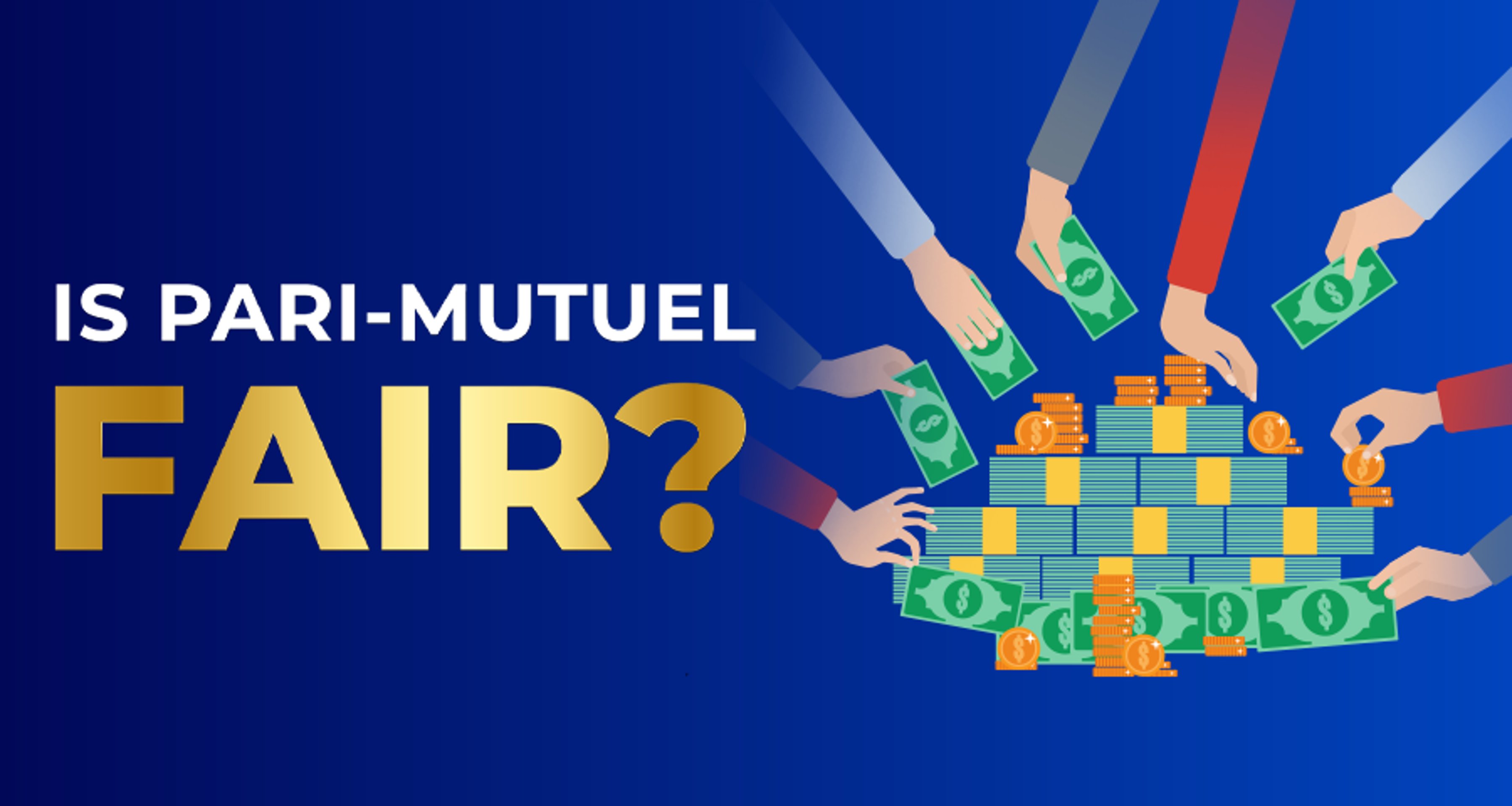
The pari mutuel betting system is a pool-based wagering model where players bet against each other — not against a bookmaker.
All bets of the same type go into a shared pool. After the operator deducts a commission, the remaining money is split among winning bettors. There are no fixed odds when you place your wager. Final payouts depend entirely on how much money other players bet.
Why It’s Popular in Horse Racing
Horse racing adopted this system because it:
Ensures transparency in payout calculation
Prevents bookmakers from manipulating odds
Scales easily for major events like the Kentucky Derby
Major organizations such as Churchill Downs, NYRA, and The Jockey Club rely on the pari-mutuel model to maintain structured racing pools across North America.
How the Pari-Mutuel System Works
The pari mutuel betting system works because all wagers are pooled together, commissions are deducted, and payouts are calculated only after betting closes — making odds dynamic and player-driven.
Let’s break it down.
Step 1: Pooling Bets
Imagine 1,000 bettors place Win bets on a race.
Total Win pool: $100,000
Horse A receives $40,000
Horse B receives $30,000
Others split the rest
The odds fluctuate based on these proportions.
Step 2: Deducting Taxes & Commission
Before payouts, the operator removes a commission — commonly called the takeout.
In North America, this typically ranges between:
15% to 20% for Win/Place/Show
20% to 25% for exotic bets (Exacta, Trifecta)
If the Win pool is $100,000 and the takeout is 15%, $15,000 is removed.
Remaining payout pool: $85,000.
Step 3: Dividing Winnings Among Bettors
If Horse A wins and $40,000 was wagered on it:
$85,000 ÷ $40,000 = 2.125
That means each $1 bet returns $2.12 (approximate after rounding).
Notice something important:
The payout is not fixed when you place your bet. Late money can shift the pool seconds before post time.
Pari-Mutuel Odds & Payouts
Dynamic Odds Explained
Unlike fixed-odds sportsbooks, pari-mutuel odds shift constantly.
They depend on:
Pool size
Public betting trends
Late professional wagers
Track liquidity
This creates volatility similar to financial markets.
House Commission Impact
The takeout significantly affects long-term profitability. Even skilled bettors must overcome a built-in 15–20% pool deduction.
That’s higher than many slot RTP structures, where the theoretical return might exceed 95%. In contrast, pari-mutuel betting offers no guaranteed return rate only pooled redistribution.
Odds vs House Edge Table
Bet Type | Region | Typical Payout | House Edge |
Win | US | Variable | ~15% pool deduction |
Place | UK | Variable | ~15% pool deduction |
Show | US | Variable | ~15% pool deduction |
Strategy & Risks in Pari-Mutuel Betting
Risk of Shared Pools
In smaller tracks or online pools:
A single large wager can dramatically shift payouts
Favorites often become overbet
Value disappears quickly
This creates hidden volatility.
Bankroll Management Tips
Experienced bettors often:
Avoid heavy public favorites
Track takeout percentages
Specialize in specific bet types
Set fixed staking limits
Is pari mutuel betting profitable?
It can be but only with disciplined bankroll management and value detection.
Conclusion
The pari mutuel betting system is transparent, dynamic, and widely trusted in global horse racing. But it carries real risks: fluctuating payouts, high takeout rates, and shared pool volatility. If you decide to explore this system, track pool movement carefully, manage your bankroll strictly, and compare it to fixed-odds alternatives before committing serious funds.