US - Iran Relations 2026: Market Risks & Global Impact
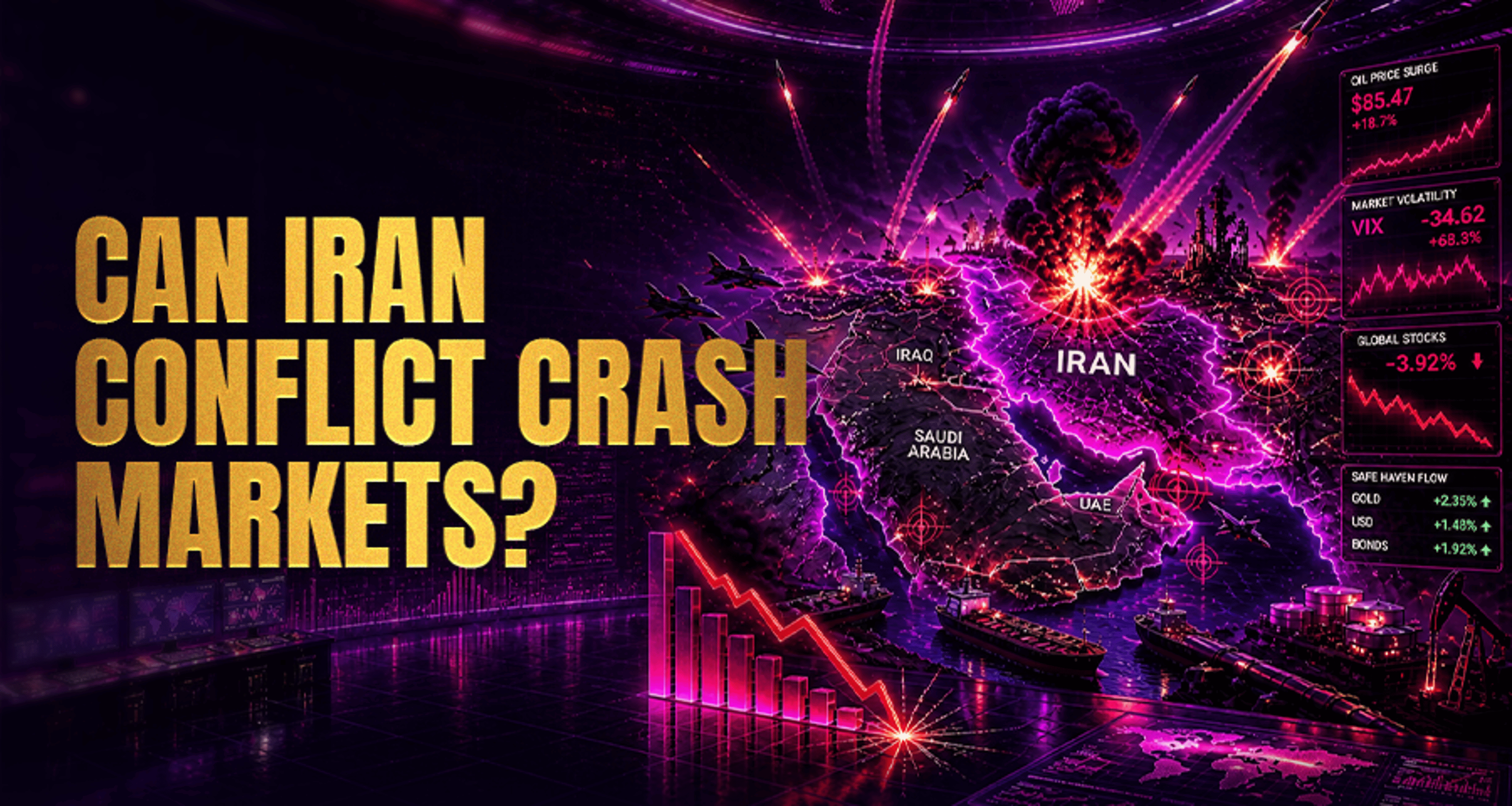
Geopolitical tensions between the US and Iran are reshaping oil, inflation, and crypto markets in 2026. This article explores the risks, scenarios, and financial consequences investors must watch closely.
Why US - Iran Relations Matter to Global Markets
The US - Iran tensions 2026 are not just diplomatic headlines; they are catalysts for volatility across oil, inflation, and crypto markets. Investors track these developments because political shocks in the Middle East often ripple into global trading behavior, reshaping risk appetite and asset allocation.
From Diplomacy to Financial Markets
Geopolitical disputes influence macroeconomics by:
Triggering supply chain disruptions
Driving inflationary cycles through energy prices
Shifting investor sentiment toward safe-haven assets
This is why traders and institutions monitor Iran US conflict impact on markets as closely as they do central bank policy.
Current State of US - Iran Relations in 2026
Nuclear Negotiations and Diplomatic Breakdown Risks
The stalled Iran nuclear deal negotiations have heightened uncertainty. A breakdown could escalate sanctions, limiting Iran’s oil exports and tightening global supply.
Role of Sanctions and International Pressure
Sanctions remain a powerful tool. They restrict Iran’s access to global finance, while secondary sanctions pressure allies and trading partners.
Position of Global Institutions (UN, IAEA)
The UN and IAEA continue to push for compliance, but enforcement challenges mean markets price in risk premiums for instability.
How US - Iran Tensions Affect Global Oil Prices
Strategic Importance of the Strait of Hormuz
Roughly 20% of global oil passes through this chokepoint. Any disruption raises immediate concerns about Strait of Hormuz risk oil prices.
Oil Supply Shock Scenarios
Minor disruption → short-term price spike
Extended blockade → sustained inflationary shock
Military escalation → global recession risk
OPEC Response and Production Control
OPEC’s balancing act involves adjusting quotas to stabilize markets, but spare capacity is limited.
Impact on Inflation and Global Economy
Energy-Driven Inflation Pressure
Oil spikes feed directly into consumer prices, raising transport and manufacturing costs.
Central Bank Reactions to Oil Spikes
The Federal Reserve and ECB may tighten policy to curb inflation, risking slower growth.
Currency Volatility (USD Strengthening Cycle)
Periods of tension often strengthen the USD as investors seek safety, pressuring emerging market currencies.
Crypto Market Reaction to Geopolitical Risk
Bitcoin as a Risk-On Asset During Uncertainty
While traditionally seen as “digital gold,” Bitcoin often behaves as a speculative hedge, rallying during crises.
Liquidation Risk in Crypto Derivatives Markets
High leverage in crypto derivatives means sudden volatility can trigger mass liquidations.
Institutional Investor Behavior During Crises
Institutions diversify into crypto cautiously, balancing risk exposure with regulatory uncertainty.
Scenario Analysis – What Could Happen Next?
Scenario | Market Impact | Investor Strategy |
Diplomatic stabilization | Bullish equities, oil stabilizes | Risk-on positioning |
Controlled escalation | Volatility in oil & crypto | Hedging with options |
Military escalation | Risk-off shock, gold rallies | Flight to safe havens |
Safe Haven Assets During US - Iran Tensions
Gold and USD Dominance
Gold remains the traditional hedge, while USD strengthens as the global reserve currency.
Bitcoin as “Digital Gold” Narrative
Despite volatility, Bitcoin continues to attract investors seeking decentralized protection.
Energy-Linked Commodities Strategy
Natural gas and refined products gain traction as alternative hedges.
Expert Insights & Market Signals to Watch
Oil Inventory Data (EIA Reports)
Weekly EIA reports provide clues on supply-demand imbalances.
Geopolitical Risk Index
Tracking this index helps quantify market sensitivity to political shocks.
Crypto Liquidation Heatmaps
Heatmaps reveal leverage concentration, signaling potential liquidation cascades.
Conclusion
The US - Iran tensions 2026 highlight how geopolitics can reshape oil, inflation, and crypto markets. Investors must prepare for multiple scenarios, balancing risk with opportunity. Safe-haven assets, historical lessons, and real-time data remain critical tools for navigating uncertainty.