What Is a Sidechain in Crypto? Simple Guide for 2026
This guide explains how sidechain networks work, why they matter in 2026, and how they help reduce fees while improving transaction speed for everyday users.
What is a Sidechain?
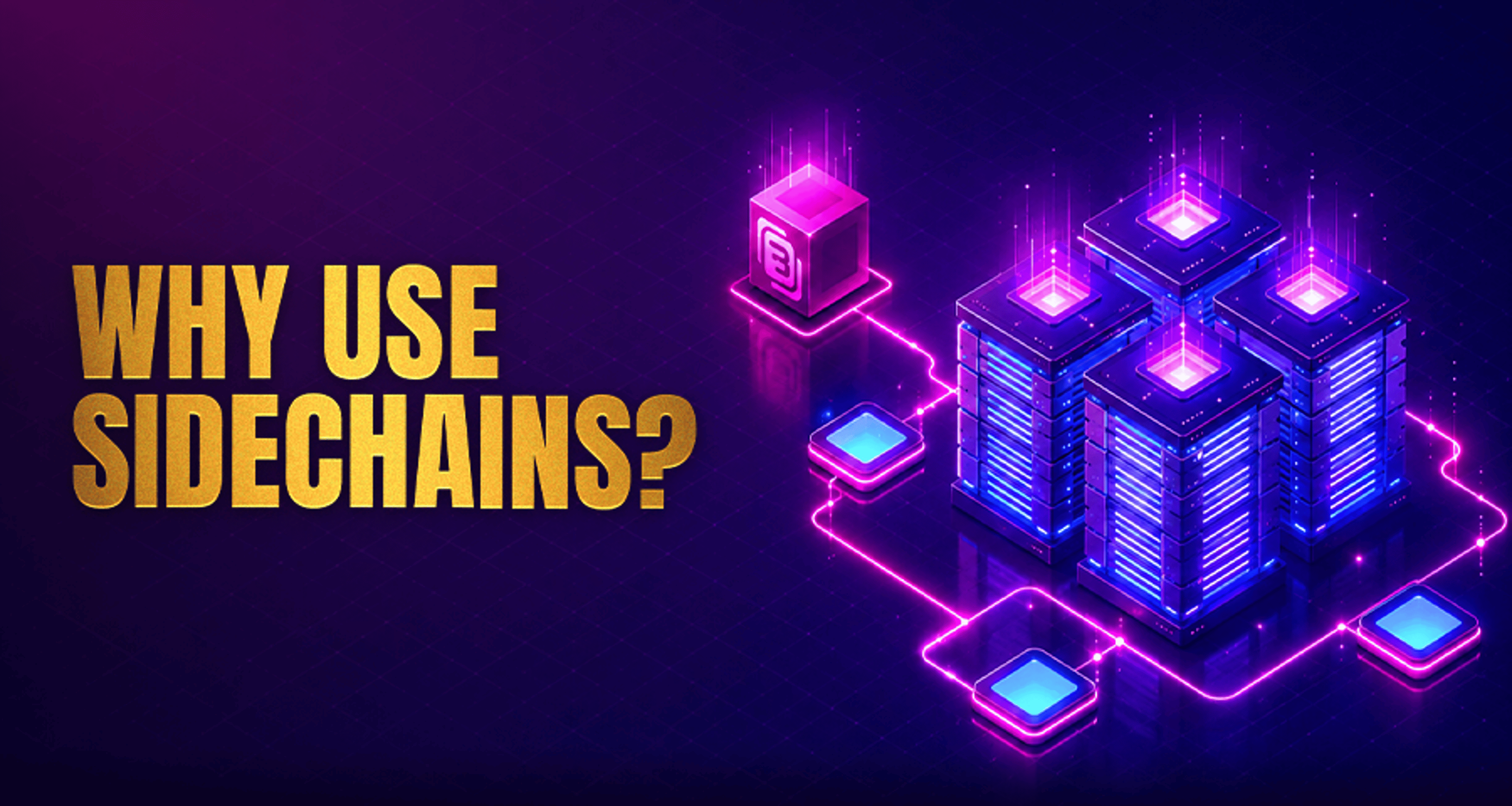
Sidechain technology exists to solve one of blockchain’s biggest problems: slow transactions and high fees. A sidechain is a separate blockchain connected to a main blockchain such as Ethereum or Bitcoin through a bridge or two way peg system.
Unlike the main chain, sidechains can process transactions independently. This allows users to enjoy lower gas fees, faster confirmation times, and better scalability for decentralized applications.
Definition & Core Concept
A sidechain is an independent blockchain network linked to a primary blockchain. Assets can move between the mainnet and the sidechain using smart contracts or blockchain bridges.
Think of it like a highway system. The main blockchain acts as the busy central road, while sidechains operate as alternative routes that reduce congestion.
This model helps improve:
Transaction throughput
Gaming performance
NFT transfers
Crypto casino payments
DeFi scalability
Popular examples include Polygon, Rootstock, Merlin, and Gnosis Chain.
How Sidechains Connect to Mainnets
Most sidechains use a two way peg system. Users lock assets on the main blockchain and receive equivalent assets on the sidechain.
For example:
ETH is locked on Ethereum
Wrapped ETH appears on Polygon
Transactions occur faster and cheaper
Assets can later return to Ethereum
This process improves interoperability while reducing pressure on congested networks.
Popular Sidechain Projects in 2026
Several blockchain ecosystems dominate the sidechain market in 2026.
Polygon – Ethereum’s Scalable Partner
Polygon remains one of the most widely adopted sidechains for gaming, NFTs, and crypto casinos.
Its strengths include:
Extremely low gas fees
Fast transaction finality
Large developer ecosystem
Strong compatibility with Ethereum
Many crypto gambling platforms prefer Polygon because users can deposit and withdraw funds almost instantly.
Merlin – Bitcoin’s DeFi Gateway
Merlin Chain focuses on bringing DeFi functionality to Bitcoin users.
Bitcoin traditionally lacks smart contract flexibility. Merlin helps solve this problem by enabling:
DeFi applications
Cross chain functionality
Bitcoin based staking
Faster transfers
This makes Merlin important for the growth of Bitcoin DeFi ecosystems.
Gnosis – DAO Governance & Stable Fees
Gnosis Chain is known for stable transaction costs and decentralized governance tools.
The network supports:
DAO infrastructure
NFT applications
blockchain gaming
payment systems
Its predictable fees appeal to users making frequent microtransactions.
Rootstock – Unlocking Bitcoin Smart Contracts
Rootstock, also called RSK, extends Bitcoin functionality through smart contracts.
This allows developers to build:
decentralized applications
lending protocols
blockchain games
payment services
Rootstock combines Bitcoin security principles with Ethereum style programmability.
Benefits of Sidechains for Crypto Casinos & Gaming
Sidechain adoption is growing rapidly in online gambling and Web3 gaming because traditional blockchains often struggle with speed and cost.
Low Fees & Fast Transactions
Crypto casino users want instant deposits and withdrawals. High gas fees reduce profitability, especially for smaller bets.
Sidechains solve this problem by offering:
near instant transfers
lower transaction fees
scalable payment systems
smoother gameplay
For mobile first gambling users, this creates a much better experience.
Provably Fair Gaming & Transparency
Blockchain casinos increasingly use sidechains to support provably fair gaming systems.
Every transaction and game outcome can be verified on chain while maintaining:
transparency
security
auditability
This strengthens trust between platforms and players.
NFT Integration & Metaverse Casinos
NFT based gaming continues expanding in 2026. Sidechains help support:
digital collectibles
metaverse assets
tokenized rewards
blockchain identities
Because sidechains reduce costs, users can interact with NFT ecosystems more frequently without paying expensive fees.
Conclusion
Sidechains help blockchains process transactions faster while reducing congestion and gas fees. They improve gaming experiences, support DeFi innovation, and make crypto casino payments more efficient.
For many users, sidechain technology represents the practical solution to blockchain scalability challenges in 2026.