When to Fold vs When to Risk More: Money Discipline in Poker
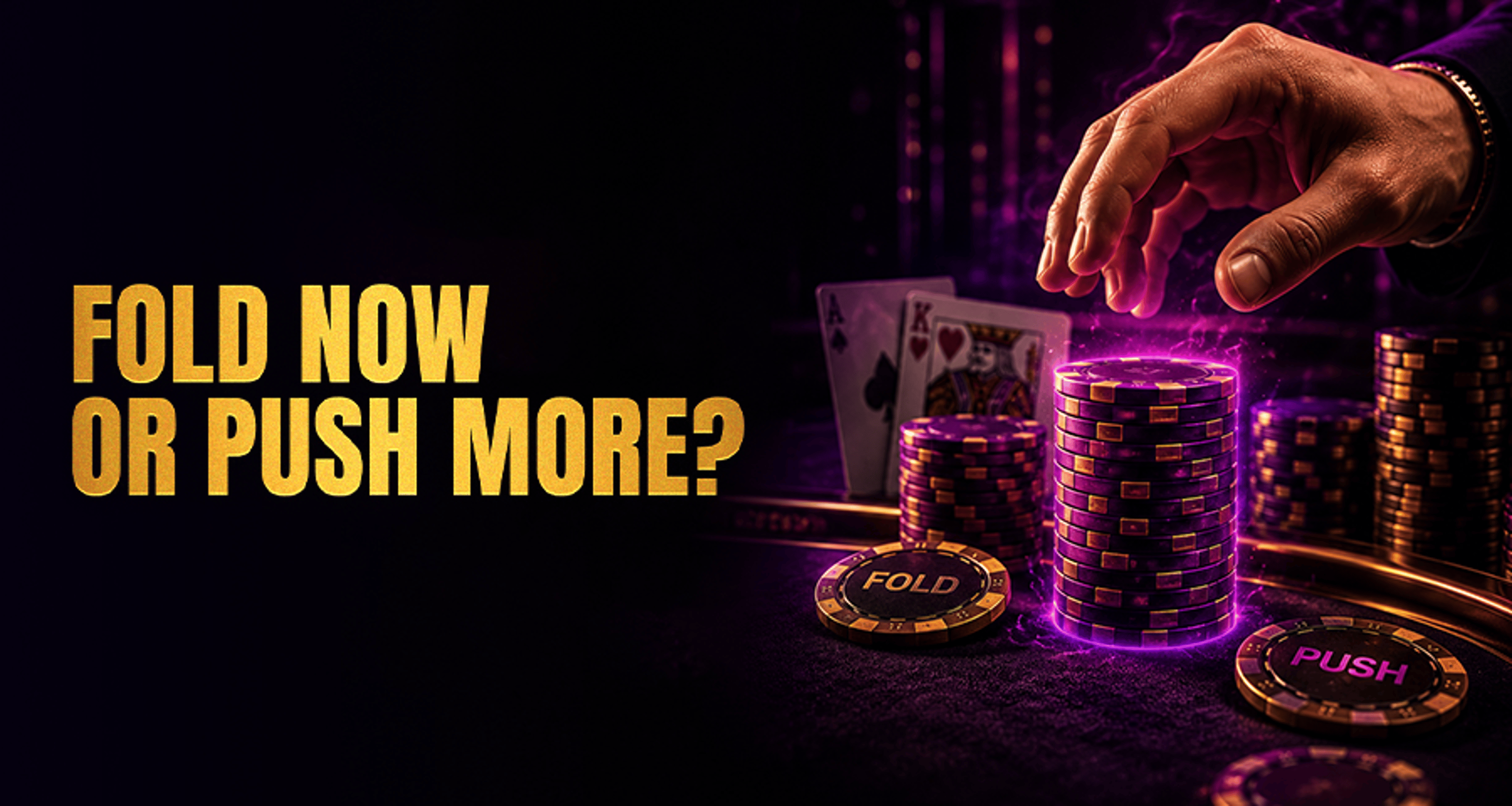
Mastering when fold when risk more situations dictates your poker survival. Fold when out of position or facing heavy value ranges; push chips when you hold stack leverage, position, or clear range equity.
Poker discipline is not just about reading hand strength. It is about knowing when folding protects your bankroll and session control, and when putting more chips in the middle is a deliberate, supported decision rather than an emotional reaction.
For many players, the real mistake is not being too tight or too aggressive in general. It is confusing pressure, frustration, or fear of missing value with smart risk-taking.
If you want a better framework for when fold when risk more decisions in Poker, the key is to compare the quality of the spot, the cost of being wrong, and your current mental state before you commit.
When Folding Is the Disciplined Move
Folding is often painted as passive, but in many situations it is the stronger decision. A disciplined fold protects your bankroll from low-quality gambles and keeps one frustrating hand from dragging your entire session off course.
You should lean toward folding when:
Your stack is in a fragile spot and losing the hand would damage your ability to keep making good decisions
You are out of position and likely to face more pressure on later streets
The pot odds do not justify continuing with a marginal draw or bluff-catcher
The board texture heavily favors your opponent’s likely range
A tight or straightforward opponent is showing unusual strength
You feel urgency to “win it back” rather than confidence in the spot itself
For example, imagine you are in a cash game holding top pair with a weak kicker on a coordinated board. A normally conservative opponent check-raises the turn big after calling preflop and the flop.
Even if your hand looks decent in isolation, folding may be the disciplined move if the line strongly points to better made hands and strong draws that have you in poor shape.
Another common fold spot comes when short-stacked tournament players call too loosely because they do not want to blind down. That fear can make a weak ace or dominated king feel stronger than it is. But preserving fold equity for a cleaner reshove spot can be far more disciplined than forcing action from a bad position.
When Risking More Actually Makes Strategic Sense
Risking more does not mean abandoning discipline. It means increasing pressure only when the conditions support it.
A justified risk-on decision usually has a few things working together:
Your stack size gives you room to apply pressure or make a profitable commitment
Your position lets you control the hand better
The pot odds or implied odds support continuing
Your opponent has range weaknesses, predictable leaks, or signs of capped strength
Your table image gives your bet, raise, or shove more credibility
The format rewards pressure in this exact moment, such as late-stage tournament dynamics
Your emotional state is calm enough to think through the consequences
Suppose you are in position with a strong combo draw against an opponent who continuation-bets too often and gives up under aggression. Raising or applying pressure may be the disciplined aggressive option because you have equity when called and fold equity when your opponent misses.
The same logic applies in tournament play when medium stacks can pressure shorter stacks near a pay jump or bubble. Increasing risk can make sense if the structure, stack distribution, and opponent tendencies all support the move. That is not random aggression. It is intentional escalation.
If you are working on cleaner preflop discipline too, it helps to compare these decisions with broader spot selection ideas in Limping in Poker: Mistake or Winning Strategy, especially when passive entries create awkward postflop pressure.
Fold vs Risk More: The Key Factors to Compare
The best comparison is not “am I brave enough to play this hand?” It is “what factors make this a disciplined investment of chips versus a costly emotional reach?”
Stack Size
Stack depth changes everything.
Short stacks have less room for mistakes, so marginal calls and speculative plays lose value fast
Medium stacks often benefit from well-timed aggression, especially in tournaments
Deep stacks can justify more controlled risk when implied odds are strong and postflop skill matters
If losing the hand would leave you tilted, under-rolled for the table, or unable to execute a solid strategy, folding gains value.
Position
Position gives information and control. In position, taking on extra risk is easier to justify because you get to react last. Out of position, many marginal continues become discipline leaks because future decisions become harder and more expensive.
Pot Odds and Price
A lot of bad risk-taking hides behind vague optimism. If the price is wrong, continuing is often just loss-chasing with poker language wrapped around it. Good discipline means checking whether the call, raise, or shove is supported by the actual numbers and likely outcomes.
Opponent Behavior
Not every player deserves the same response.
Against predictable value-heavy players, folding strong-but-non-nut hands can be correct
Against over-aggressive players, calling down or re-raising wider can be justified
Against scared money or capped ranges, pressure may outperform caution
Table Image
Your recent history matters. If you have shown strong hands, your aggression gets more respect. If you have been caught bluffing or overplaying spots, your next risk-on move may get looked up lighter. Discipline means comparing your current image to the story your action is trying to tell.
How Tilt and Session Pressure Distort Poker Decisions
This is where many fold-versus-risk mistakes begin.
Players often think they are making a strategic adjustment when they are really reacting to discomfort. Tilt does not always look like rage. It can show up as impatience, stubborn hero calls, forced bluffs, or a refusal to fold because folding feels like admitting defeat.
Three common distortions are:
Loss-chasing: putting more chips at risk because previous losses feel unfinished
Fear of missing value: refusing to fold because you are worried a good hand might be “too strong to let go”
Ego aggression: attacking simply to avoid feeling controlled by the table
That is why emotional awareness belongs in technical decision-making. If you notice that your choices are being driven by cravings, urgency, or the need to get even, the disciplined move is often to reduce risk. The same mindset issues show up across gambling behavior, which is why pieces like Gambling Cravings: Why They Happen and Should You Raise Bets During a Winning Streak? are useful companion reads.
Cash Games vs Tournaments: Why the Right Choice Changes
A disciplined fold in a cash game is not always the same as a disciplined fold in a tournament.
Cash Games
In cash games, chips usually have a more direct, stable value. You can reload, table select, and avoid forcing thin edges when your session is slipping mentally. That often makes bankroll preservation and emotional control more important than winning every contested pot.
If a spot is close and your head is not clear, folding and waiting for a better opportunity is often the better long-session decision.
Tournaments
In tournaments, blinds rise, stack utility changes, and survival has strategic value. Sometimes you need to risk more because waiting costs too much. Pressure spots near bubbles, reshove windows, and stack-preservation thresholds can all justify a more aggressive line than you would take in a cash game.
Still, tournament urgency is not an excuse for panic. The disciplined question is whether the structure is forcing action, or whether frustration is.
A Simple Pre-Decision Checklist Before You Commit More Chips
Before you call, raise, or jam, ask yourself:
What is my actual reason for continuing? Value, fold equity, pot odds, leverage, or emotion?
If I lose this hand, what does it do to my stack and session control?
Am I in position or about to create a harder decision later?
What does this opponent usually look like when they take this line?
Is my aggression telling a believable story based on board texture and table image?
Would I make the same choice if I were fresh and unstressed?
Am I protecting my ego, or making the highest-quality decision available?
If too many answers are unclear, folding is often the disciplined default.
Disciplined Fold Spots vs Justified Risk-On Spots
Here is the comparison in simple terms:
Fold to Protect Bankroll and Session Control
Choose the fold more often when:
Your hand is marginal and future pressure will be difficult to handle
Villain strength looks real rather than performative
Pot odds do not support continuing
Stack loss would meaningfully damage your ability to play well
You feel tilted, rushed, or emotionally attached to the pot
Increase Risk Only When Conditions Support It
Choose the higher-risk line more often when:
Your hand or draw carries solid equity
Position improves your control over the hand
Opponent tendencies make pressure profitable
Tournament dynamics or stack leverage reward aggression now
Your decision is grounded in structure and evidence, not frustration
That same discipline mindset matters in other session-based games too. If you want a broader look at protecting decision quality over time, How to Stay Disciplined in Blackjack Sessions offers a useful parallel on staying steady instead of reacting impulsively.
FAQ
How do I know if I am folding too much in poker?
You may be folding too much if you routinely give up profitable draws, over-respect aggressive opponents, or avoid pressure spots even when stack size, position, and pot odds support continuing. The key is not folding less automatically, but checking whether fear is replacing analysis.
When is taking a bigger risk in poker actually justified?
It is justified when the situation supports it: your stack can handle the line, your position helps, your opponent is vulnerable, and the reward outweighs the cost of being wrong. The decision should come from logic, not the urge to recover losses or force momentum.
Is folding a strong hand ever the disciplined choice?
Yes. A strong hand can still be second-best against a narrow, credible value range. Folding can be disciplined when the action, board, and opponent profile all point toward you being beaten often enough that continuing becomes costly.
How does tilt affect fold vs aggression decisions?
Tilt often pushes players into bad calls, rushed bluffs, and over-commitments they would avoid in a calm state. It reduces your ability to separate a high-quality aggressive spot from a frustration-driven gamble.
Should my fold vs risk decision change in tournaments compared with cash games?
Yes. Tournament structures can force more time-sensitive aggression because blinds rise and survival has strategic value. In cash games, you can usually be more selective, especially when preserving bankroll and decision quality matters more than pressing a thin edge.
Final Take
In Poker, the real comparison is not folding versus courage. It is uncontrolled risk versus disciplined commitment. Folding is often the best way to protect your bankroll, your mental game, and your ability to make better decisions later. Risking more only makes sense when the structure of the hand, the opponent, and your session state all support it.
For readers building a steadier poker mindset, the next best step is to keep exploring HunnyPlay strategy content focused on discipline, pressure management, and cleaner decision-making across different game situations.