Crypto Wallet Guide 2026: Safe, Fast & Best Picks
The crypto wallet guide 2026 safe approach is about balancing security, speed, and convenience. Choosing the right wallet can help protect funds, simplify transactions, and reduce costly mistakes.
Choosing a wallet in 2026 is no longer just a crypto beginner question. It is a practical decision about speed, control, recovery, device access, and how easily you can move funds when making deposits or handling withdrawals. That matters even more for readers using crypto in casino-payment contexts, where convenience and caution often pull in different directions.
This crypto wallet guide 2026 safe article does not treat one wallet as perfect for everyone. Instead, it explains what “safe,” “fast,” and “best picks” actually mean in practical terms, then helps you match a wallet type to your needs.
What Makes a Crypto Wallet Safe, Fast, or Worth Picking in 2026?
These three words are often used loosely, so it helps to define them clearly.
What “safe” means in this guide
In this article, safe does not mean risk-free. No wallet is completely safe in every situation. Instead, safe means:
The wallet supports strong security habits
Backup and recovery are taken seriously
The wallet reduces avoidable user mistakes
You can clearly see and confirm transactions
The setup fits your ability to manage it responsibly
A wallet that is technically advanced but confusing for the user may be less safe in practice than a simpler wallet used well.
What “fast” means in this guide
Fast does not mean the wallet magically speeds up the blockchain itself. It usually means:
Easy access when you need to send or receive funds
Clear transaction flow and status visibility
Smooth use across mobile or desktop
Fewer delays caused by poor interface design or account friction
Practical convenience for deposits and withdrawals
Transfer speed expectations depend partly on the network and asset being used, not just the wallet.
What “best picks” means here
Best picks does not mean one universal winner. It means wallets or wallet types that make sense for different priorities, such as:
Frequent payments
Long-term storage
Quick withdrawals
Multi-device access
Beginner simplicity
Stronger self-control over funds
The smarter question in 2026 is not “What is the best wallet?” but “What is the best wallet setup for the way I actually use crypto?”
Why Wallet Choice Matters More in 2026
Wallet choice matters more now because crypto is used in more everyday payment flows than before, and users expect quicker, smoother movement between platforms, apps, and personal storage.
In 2026, readers are paying closer attention to:
Faster payment expectations
Easier switching between devices
Better visibility over incoming and outgoing transfers
Broader asset support
Cleaner mobile experiences
Stronger awareness of scams and fake apps
That makes wallet selection more important than simply downloading the first app you recognize. If you use crypto for deposits or withdrawals, the wrong wallet can create friction, confusion, or unnecessary exposure.
How to Choose the Right Wallet for Your Use Case
The best wallet choice depends on how you plan to use it.
If you make frequent payments
If you move crypto often, convenience matters. You will likely care most about:
Quick app access
Simple send and receive flow
Easy transaction visibility
Broad asset support
Dependable mobile experience
For this use case, many users lean toward a hot wallet or another easy-access option. The tradeoff is that convenience usually requires more attention to device and account hygiene.
If you want long-term storage
If your main goal is holding funds rather than moving them often, speed matters less than control and separation from daily-use devices.
In that case, a cold wallet or a more storage-focused setup may fit better. This approach generally favors reduced day-to-day exposure over quick access.
If you care about quick withdrawals
For users who prioritize receiving funds and moving them again without too much friction, look for:
Clear incoming transaction tracking
Easy address management
Simple network and asset visibility
Fast access from the device you actually use most
This is often where a practical hot wallet setup feels strongest, especially if it is used as a “movement wallet” rather than a place to keep everything long term.
If you need multi-device access
Some readers want to check balances or manage funds from more than one device. In that case, usability and synchronized access matter.
You may prefer a wallet experience that supports:
Mobile and desktop access
Cean interface consistency
Visible activity history
Manageable recovery options if a device is lost or replaced
The tradeoff here is often between convenience and how much direct control you want over custody.
If you want beginner simplicity
Beginners usually benefit from wallets that feel understandable right away. A simple wallet can be a better fit than a feature-heavy one if it helps you avoid errors.
Look for:
Clear layout
Obvious transaction review screens
Easy backup guidance
Supported assets that match your likely use
Minimal clutter during everyday use
The best beginner pick is usually the one you are least likely to misuse.
Hot Wallets vs Cold Wallets in Practical Terms
A major part of any 2026 wallet decision is understanding the difference between hot and cold storage.
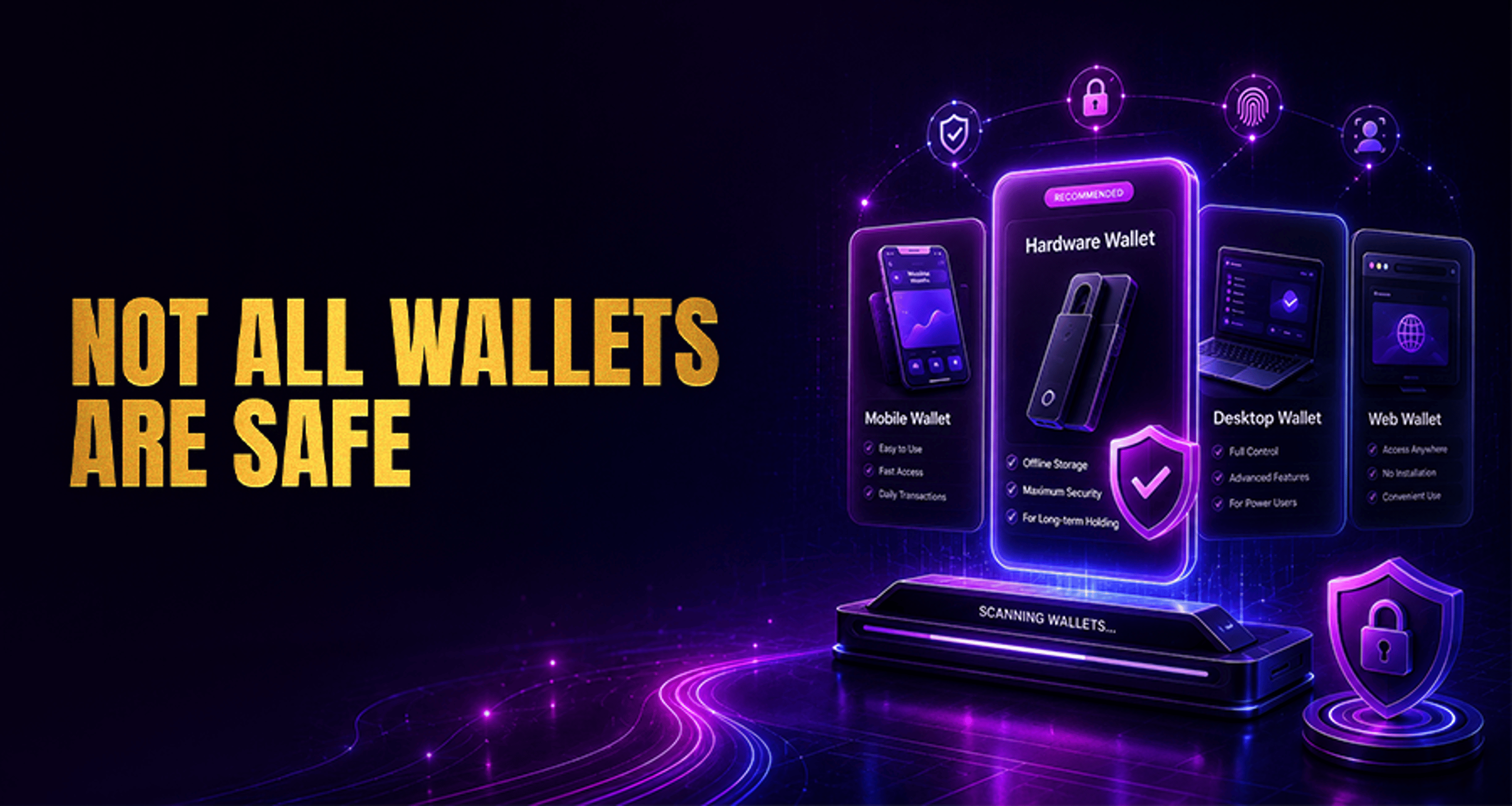
Hot wallets
Hot wallets are typically connected to the internet in some form and designed for easier day-to-day access.
Practical strengths:
Faster everyday use
Easier for deposits and withdrawals
Better suited to frequent payments
Often more convenient on mobile
Practical tradeoffs:
More exposure to device-related risks
Stronger need for careful wallet hygiene
Less ideal for storing everything in one place long term
Cold wallets
Cold wallets are generally chosen for stronger separation from daily online activity.
Practical strengths:
Better suited to long-term holding
Useful for users who want stronger access control
Helps separate stored funds from everyday spending behavior
Practical tradeoffs:
Less convenient for fast transfers
Slower to use in everyday payment situations
May feel like too much friction for users who move funds regularly
In simple terms, hot wallets fit speed and convenience, while cold wallets fit storage and separation. Many users end up preferring some combination of both rather than treating this as an all-or-nothing decision.
Self-Custodial vs Custodial Wallets: Which Tradeoff Fits You?
The next decision is about control.
Self-custodial wallets
With a self-custodial wallet, the user takes more direct responsibility for access, backup, and recovery.
Why some users prefer it:
More direct control over funds
No need to rely on a third party for everyday access
Clearer separation between personal wallet use and platform-held balances
What to think about carefully:
Backup and recovery matter more
User mistakes can be costly
Simplicity varies a lot between wallet experiences
Self-custodial setups can be appealing for users who value control, but only if they are realistic about the responsibility involved.
Custodial wallets
Custodial options usually feel simpler from an account-management perspective because some parts of access and infrastructure are handled for the user.
Why some users choose them:
Easier onboarding
Simpler recovery experience in some cases
Useful for readers who want less setup complexity
Convenient for multi-device access in many cases
What to weigh:
Less direct control
More dependence on the provider experience
May not fit users who want maximum separation and independence
There is no single correct answer here. The better tradeoff depends on whether you value simplicity and convenience more, or direct control and self-management more.
Key Criteria to Evaluate Before You Pick a Wallet
Whether you are comparing hot wallets, cold wallets, custodial options, or self-custodial setups, these criteria matter most.
Security habits
A wallet is only as safe as the habits around it. Ask whether the setup supports careful use rather than rushed use.
Backup and recovery
Before trusting any wallet, understand whether the recovery process feels manageable for you. A wallet that is too complex to recover properly can become a practical risk.
Usability
Good wallet usability is underrated. Clear navigation, readable confirmations, and an interface that reduces mistakes are all valuable.
Transaction visibility
You should be able to see what is happening with your funds clearly. Good visibility helps with confidence, record-checking, and fewer avoidable errors.
Supported assets
Not every wallet fits every asset mix. Make sure the wallet supports the types of crypto you actually expect to use.
Transfer speed expectations
Remember that speed depends on more than the wallet itself. The wallet can improve convenience and clarity, but actual movement time also depends on network conditions and asset choice.
What Crypto Casino Users Should Look for Before Depositing or Withdrawing
Crypto casino users do not always need a completely different wallet, but they often need a different selection mindset.
The key question is not just “Can this wallet hold crypto?” It is also “Will this wallet make deposits and withdrawals manageable without creating extra confusion?”
Practical wallet factors for casino-payment use
If you expect to use a wallet for casino deposits or withdrawals, look for:
Easy copy-and-check transaction flow
Clear incoming and outgoing history
Asset support that matches the coins you actually use
Quick access when moving funds in or out
Visibility that helps reduce transfer mistakes
A setup that does not force you to keep all funds in one always-active place
Why wallet choice affects the experience
A wallet that is too slow, too confusing, or too rigid can make deposits feel awkward and withdrawals harder to track. A wallet that is easy to access but poorly managed can create a different kind of risk.
For many users, the practical answer is not one wallet for everything. It may be a setup where:
One wallet is used for convenience and movement
Another wallet or storage method is used for funds not needed right away
That kind of separation can improve clarity without turning the process into something overly technical.
Common Wallet Mistakes That Create Unnecessary Risk
A lot of wallet problems come from poor selection or poor habits, not from advanced technical failures.
Choosing based only on speed
A wallet that feels quick is not automatically the right fit if it makes backup, visibility, or recovery harder.
Keeping convenience and storage in the same mindset
Users often treat an everyday payment wallet like a permanent storage solution. That may be convenient, but it is not always the cleanest approach.
Ignoring recovery practicality
If you choose a wallet without thinking about how you would recover access after a device problem, you are skipping one of the most important evaluation steps.
Downloading fake or misleading apps
This remains one of the easiest ways to create avoidable trouble. A rushed search can lead users to apps or sites that only look legitimate.
Weak wallet hygiene
Poor wallet hygiene includes casual handling, sloppy record-keeping, rushing transactions, and treating security prompts as unimportant.
Scams, Phishing, Fake Apps, and Poor Wallet Hygiene
In 2026, better wallet choice also means better scam awareness.
Fake apps and lookalike services
Some of the biggest risks start before a wallet is even used. Lookalike apps, imitation sites, and misleading download pages can create problems immediately.
Phishing and rushed approvals
Users under time pressure are easier to trick. If a wallet flow or message pushes urgency, that alone is a reason to slow down.
Poor hygiene creates compounding risk
Even a strong wallet type can become a weak setup if the user is careless. That is why wallet safety is partly about product design and partly about consistent behavior.
The goal is not paranoia. It is simply choosing tools and routines that reduce avoidable mistakes.
Best Wallet Pick Criteria for Beginners, Active Users, and Safety-First Users
There is no universal winner, so a shortlist works better than a ranking.
Wallet selection matrix
Reader need | Better-fit wallet direction | Why it may fit |
|---|---|---|
Beginner simplicity | Simple custodial or beginner-friendly self-custodial option | Easier learning curve, clearer daily use, less feature overload |
Frequent payments | Hot wallet | Faster access, smoother day-to-day transfers, practical convenience |
Quick withdrawals | Easy-access wallet with strong transaction visibility | Helps track incoming funds and move them with less friction |
Multi-device access | Wallet setup designed for cross-device usability | Better fit for users switching between phone and desktop |
Long-term storage | Cold wallet | Better suited to separation and lower day-to-day exposure |
Safety-first approach | Mixed setup: accessible wallet plus separate storage-focused option | Balances convenience with stronger fund separation |
A practical shortlist mindset
If you are narrowing your options, think in these terms:
Best for beginners: the wallet that reduces confusion
Best for active users: the wallet that handles regular movement cleanly
Best for safety-first users: the setup that separates storage from everyday access
Best for casino-payment convenience: the wallet that gives clear transaction visibility without becoming your everything-wallet
That is a better decision framework than trying to chase a single brand name as the answer for everyone.
FAQ
What is the safest type of crypto wallet in 2026?
There is no one-size-fits-all answer. In general, wallets designed for stronger separation from everyday online use are often preferred for storage, while everyday-access wallets depend more heavily on good user habits.
What kind of wallet is best for fast crypto withdrawals?
A wallet built for quick access, clear transaction tracking, and easy everyday use is often the most practical fit for fast withdrawals. The exact speed still depends partly on the network and asset involved.
Should beginners use a self-custodial wallet or a simpler option?
Beginners should usually choose the option they can manage responsibly. A simpler wallet may be a better starting point than a more advanced setup if it reduces confusion and avoidable mistakes.
Do crypto casino users need a different wallet strategy?
Often, yes. Many benefit from thinking separately about movement and storage. A convenient wallet may work well for deposits and withdrawals, while a separate setup may be better for funds not needed right away.
What makes one crypto wallet faster or easier to use than another?
Usually it comes down to interface design, transaction clarity, device access, supported assets, and how smoothly the wallet handles common actions. It does not mean the wallet controls blockchain speed on its own.
How can users avoid fake wallet apps and common wallet scams?
They should slow down, verify what they are using, avoid rushed downloads, watch for lookalike services, and treat urgent prompts with caution.
Final Thoughts
A strong crypto wallet guide 2026 safe approach is not about naming one wallet as the fastest, safest, or best for everyone. It is about understanding your use case, choosing the right balance of convenience and control, and avoiding setups that create unnecessary friction or risk.
If you make frequent payments, a hot wallet may fit your routine. If you care more about long-term storage, a cold wallet may make more sense. If you want flexibility, a mixed setup often gives the clearest balance.
From here, the most useful next reads are Hot Wallets Vs Cold Wallets Which Is Safer, Crypto Wallet Hack How To Protect Your Funds Fast, Self Custodial Wallet Full Control Or Risky Move, Best Online Casino Payment Methods Fast Safe 2026, and the broader crypto payments and withdrawals hub.