How Game Shows Blend Gambling and Entertainment?
Ever noticed how modern game shows blend gambling entertainment into one wild ride? We look under the hood of these high-energy live studio hits to see why they're dominating the digital casino floor.
Live casino game shows sit in a distinctive corner of online gambling. They still involve real-money betting mechanics, but they present those mechanics through a format that feels closer to television entertainment than a standard casino table. That mix is exactly why they stand out.
Instead of focusing mainly on cards, chips, or spinning reels, these games lean on hosts, studio production, suspense cues, bonus rounds, and simple participation loops. The result is a gambling-adjacent format that often feels more watchable, more social, and more show-driven than traditional live casino play.
This article explains what live casino game shows actually are, how they combine gambling mechanics with entertainment design, and why they appeal to many casual or spectator-minded players. It also makes one point clear throughout: entertainment value does not remove gambling risk.
What Live Casino Game Shows Actually Are
Live casino game shows are livestreamed gambling products that borrow the structure and energy of televised game shows. They are usually hosted in a studio setting, feature colorful visual production, and give players a straightforward way to place bets on outcomes before a wheel spin, bonus event, or similar result sequence.
Within the broader live casino ecosystem, they sit somewhere between classic live dealer games and highly stylized chance-based products. They are still part of online gambling, but they are packaged in a more performative way.
That is what makes them different from standard live blackjack, baccarat, or roulette. Traditional live tables usually aim to recreate the feel of a casino floor. Game shows aim to create an event.
Many of these formats are built around a simple core mechanic: place a bet, wait for the host-led reveal, and see whether the round lands on a standard result or triggers a bonus-style feature.
The rules are often easier to follow at a glance than table-game procedures, which helps explain why the format can feel more approachable to new or casual readers exploring broader live casino game show trends and player insights.
How Game Shows Combine Gambling Mechanics With Entertainment
The key to understanding this format is separating the mechanics layer from the presentation layer.
The mechanics layer is the underlying gambling structure. Players place bets on predefined outcomes. A randomizing element such as a wheel, draw, or bonus trigger determines the result. Some rounds stay simple, while others lead into expanded features with multipliers, extra stages, or themed bonus sequences.
The presentation layer is what makes the experience feel like a show. This includes:
A host who guides the round and sets the tone
Bright, theatrical studio visuals
Music, countdowns, and suspense cues
Bonus-wheel or reveal moments designed for anticipation
Streamlined participation loops that are easy to understand quickly
This blend matters because the player is not only reacting to the bet itself. They are also reacting to the pacing, narration, and visual framing around the bet. In other words, the gambling mechanic may be simple, but the surrounding production makes it feel larger and more event-driven.
That entertainment-first design is also part of a wider shift in how live products are presented, especially as studios experiment with format innovation and presentation tools, a topic that connects naturally with the broader discussion around the future of AI in live dealer experiences.
Why Hosts, Visuals, and Pacing Change the Player Experience
Hosts play a central role in making game shows feel different from other gambling formats. In a standard live table game, the dealer usually supports the mechanics and keeps the game moving. In a live casino game show, the host often becomes part presenter, part entertainer, and part pacing engine.
That changes the emotional rhythm of play.
A host can stretch suspense before a result, celebrate bonus moments, explain simple choices, and keep the atmosphere energetic even during repetitive sequences. This makes the product feel less like a pure transaction and more like an ongoing performance.
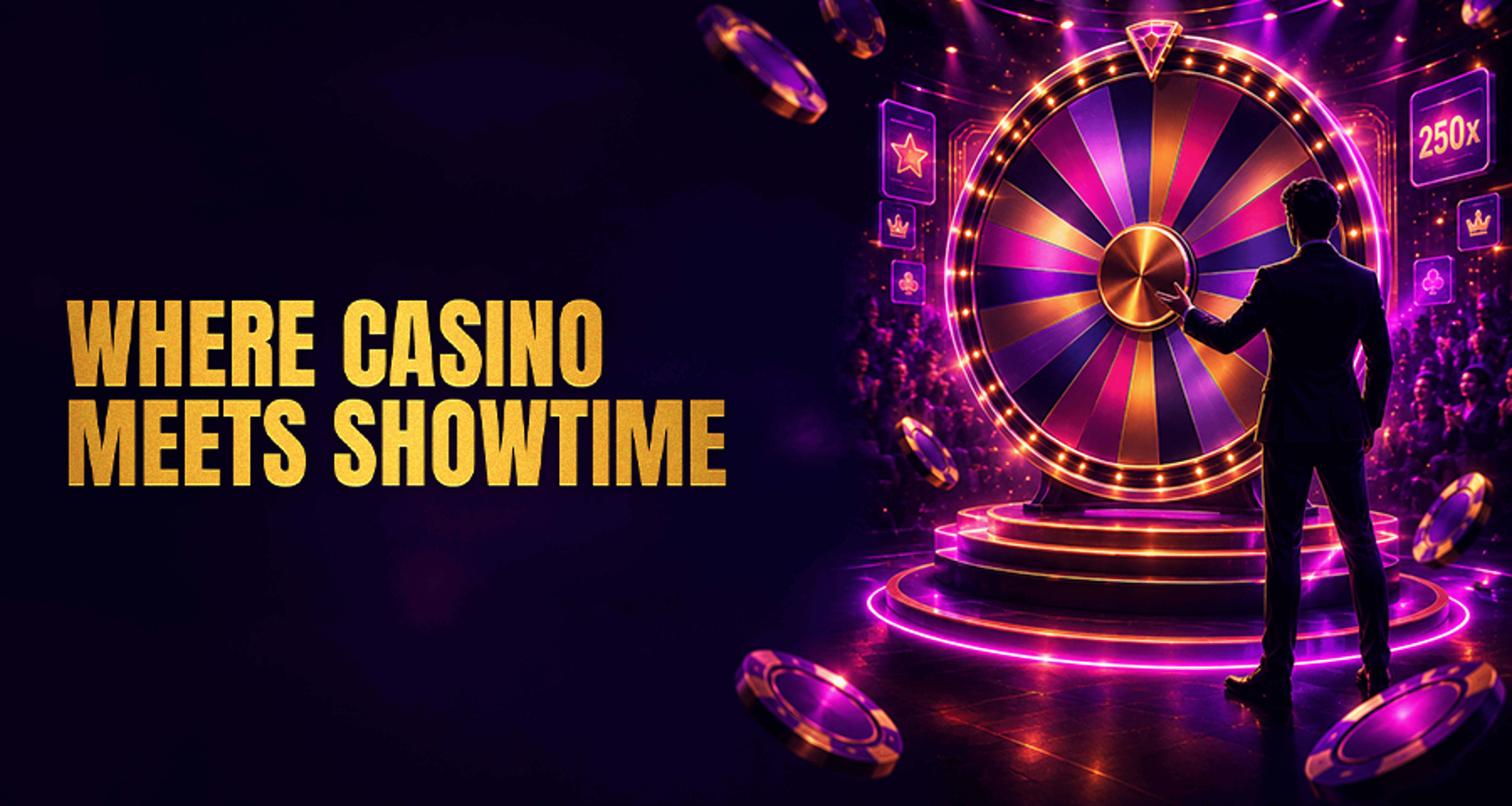
Visual design also does a lot of work. Big wheels, themed sets, lighting changes, oversized result displays, and animated bonus reveals create a sense of spectacle. Even when the underlying betting decision is simple, the production can make each round feel dramatic.
Pacing matters just as much. Game shows often use short, repeatable loops that are easy to rejoin after watching for only a few moments. That can make them feel more spectator-friendly than games that require closer rules knowledge from the start. Readers interested in the broader user side of live products may also want to explore how the live casino dealer experience shapes player perception.
Game Shows vs Traditional Live Casino Games
The clearest difference between live casino game shows and traditional live casino games is not that one is gambling and the other is not. Both involve gambling risk. The real difference is how that risk is packaged and experienced.
Traditional live casino games
Games like blackjack, roulette, and baccarat usually emphasize familiar rules, table procedure, and a closer link to land-based casino play. The appeal often comes from structure, recognizable gameplay, and in some cases a stronger feeling of direct decision-making.
Live casino game shows
Game shows usually emphasize spectacle, simplified betting, and anticipation-driven reveals. They often feel more like entertainment events with gambling mechanics attached.
This can also affect volatility perception. A game show may feel lighter or more playful because of its visuals and host-led presentation, but that does not mean the gambling outcome is softer, safer, or easier to control.
In fact, bonus-heavy formats can create strong emotional swings because so much attention is placed on special triggers and high-drama moments.
Compared with slots, game shows are also more social and visibly staged. Compared with table games, they are often easier to watch casually without understanding every rule detail. That middle ground is a big part of their identity.
Why This Format Appeals to Casual and Spectator-Minded Players
Live casino game shows often appeal to people who are less interested in traditional table-game culture and more interested in a format that feels easy to follow. You do not need to track complex strategy to understand the basic rhythm of many of these games. The host explains the action, the visuals highlight the key moments, and the round structure is usually clear within seconds.
That makes the format attractive to:
Casual players who want low-friction participation
Viewers who enjoy suspense and presentation as much as gameplay
Users who prefer simple betting choices over deeper table mechanics
People curious about live casino content but not yet comfortable with classic dealer games
This does not mean the format is better in any objective sense. It means the format lowers the learning curve on the presentation side, even while the gambling side still carries real risk.
It can also feel more socially legible. Traditional live casino etiquette and table rhythm may seem intimidating to some newcomers, which is why educational content like the unwritten rules of live casino play can help readers understand the wider environment around these products.
Entertainment Value Does Not Remove Gambling Risk
This is the most important balance point in the discussion.
Live casino game shows are often designed to feel fun, dynamic, and easy to watch. But that entertainment framing does not reduce the core reality that they are gambling products. The lights, hosts, bonus reveals, and show-style pacing can make the experience feel lighter, yet the financial risk remains real.
That is why it helps to understand the format clearly rather than treating it as harmless spectacle. A game can feel casual in presentation while still encouraging rapid engagement, emotional decision-making, and extended session time.
For that reason, the best way to approach these products is with the same awareness you would bring to other gambling formats: understand what you are interacting with, recognize that presentation can influence perception, and keep entertainment separate from assumptions about outcomes.
If you want to keep building that broader perspective, exploring educational live casino content, player behavior topics, and practical table-awareness guides is a sensible next step.
FAQ
What makes a casino game show different from a regular live dealer game?
A casino game show usually uses simpler betting mechanics and wraps them in a more theatrical format with hosts, studio visuals, suspense cues, and bonus-style reveals. A regular live dealer game is usually closer to a traditional casino table experience.
Are live casino game shows more about entertainment than strategy?
In many cases, yes. They often place more emphasis on presentation, pacing, and spectacle than on strategic depth. That said, they are still gambling products, not pure entertainment.
Why do gambling game shows feel more interactive to viewers?
They often feel more interactive because hosts speak directly to the audience, the visuals highlight every stage of the round, and the format is designed for suspense and easy viewing even when someone is only half-following the action.
Do casino game shows work differently from slots or roulette?
Yes. They differ from slots because they are livestreamed and host-led, and they differ from roulette because they usually use show-style production and bonus-event structures rather than a straightforward table format.
Why are live casino game shows popular with casual players?
They can be easier to understand quickly, more visually engaging, and more spectator-friendly than traditional casino formats. That broader appeal comes from presentation style, not from any promise of better outcomes.