How Younger Players Approach Gambling Differently?
Younger players approach gambling differently because they are shaped by mobile-first habits and social media. Convenience and online culture often influence decisions more than traditional gambling environments.
Younger players often approach gambling differently because their habits are shaped by mobile technology, fast-moving digital content, social discovery, and a stronger comfort with instant online experiences.
That does not mean all younger adults gamble recklessly, but it does mean their motivations, attention patterns, and risk cues can look different from those of older players.
Understanding these differences matters for anyone trying to build healthier habits. When gambling is woven into smartphones, social feeds, live communities, and always-on payment systems, decisions can happen faster and with less friction.
The real issue is not age alone. It is how psychology, design, and digital behavior interact.
Why younger players interact with gambling differently
Many younger adults have grown up in digital environments where entertainment is immediate, personalized, and available at any time. That changes how gambling is discovered and experienced.
Instead of treating it as a planned activity, some younger players encounter it through streaming culture, ads, influencer content, bonus messaging, or app-based recommendations.
This can make gambling feel closer to other forms of online entertainment. A casino app, sports bet, or fast game session may sit in the same daily routine as social scrolling, gaming, or short-form video.
As a result, curiosity-driven play can start casually, without much reflection on spending pace, emotional triggers, or session length.
Younger players may also be more comfortable switching between platforms, trying unfamiliar game types, and exploring new features quickly. That openness can be harmless in some cases, but it can also reduce the pause that helps people assess risk.
Mobile-first habits and instant-access decision making
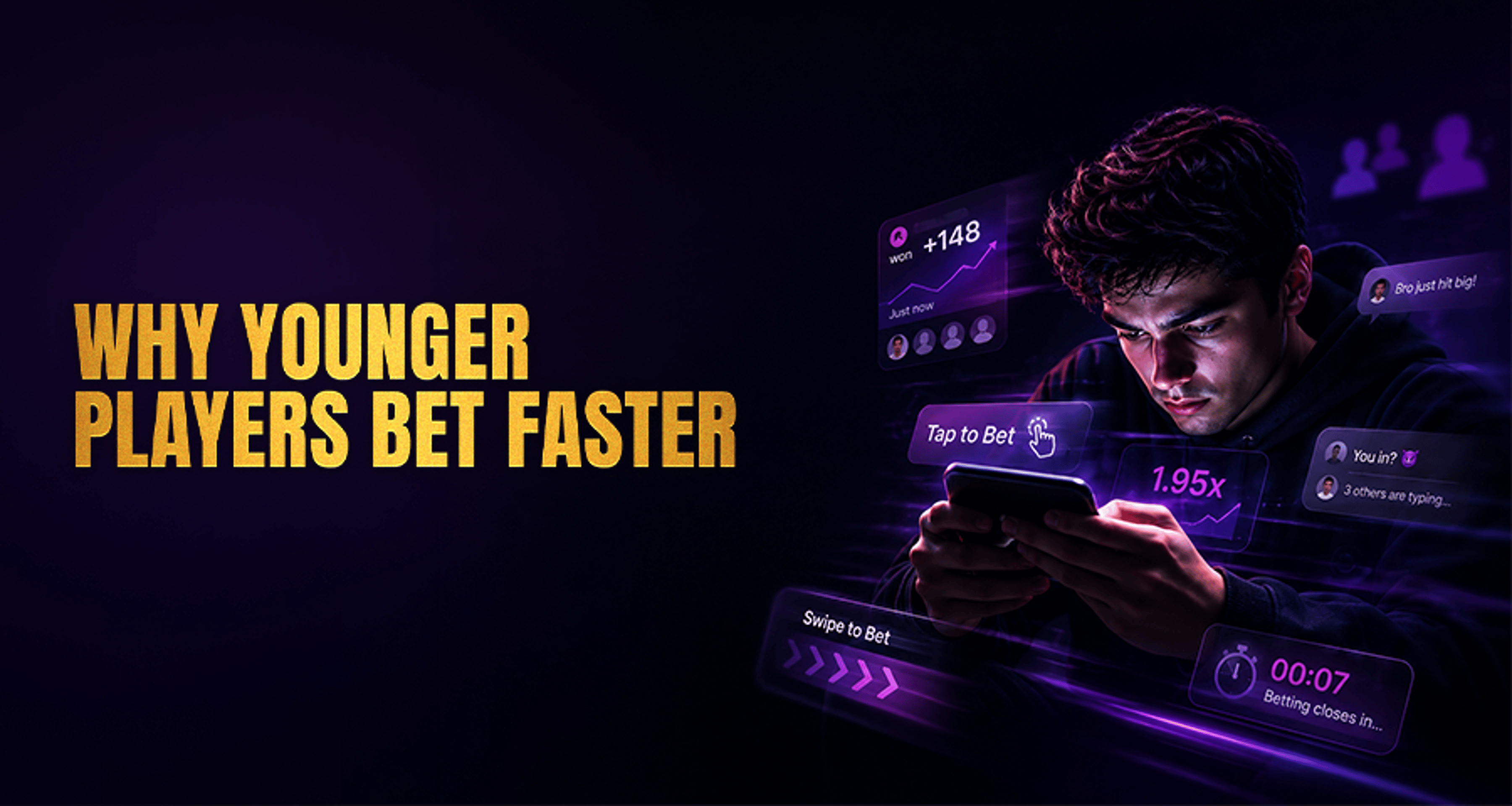
Mobile-first use is one of the biggest reasons younger players approach gambling differently. A phone removes many of the natural pauses that once separated interest from action. When gambling is available in a few taps, decisions can become more reactive.
Shorter attention cycles can also affect behavior. Some younger players are used to fast feedback, quick wins, quick losses, and frequent stimulation across digital platforms. That can make slower, more deliberate decision-making feel less natural. Instead of setting a plan before a session, they may dip in and out based on mood, boredom, or impulse.
Digital payments add another layer. Younger users are often very comfortable with wallets, instant deposits, saved cards, and other cashless systems.
While convenient, this can weaken the emotional “stop signal” that physical cash sometimes creates. Spending can feel less tangible when money moves as numbers on a screen rather than something physically handed over.
That is why habits like session timers, deposit limits, and intentional breaks matter. Articles about managing pace, such as How To Stay Disciplined In Blackjack Sessions, are especially relevant for players who want more structure in fast mobile environments.
How social influence and online culture shape younger gambling choices
Social influence plays a major role in younger gambling behavior. Discovery often happens through peers, creators, online communities, or gaming-adjacent content rather than through traditional advertising alone.
When gambling appears in familiar spaces, it can feel normalized before a person has fully considered the risks.
This influence is not always direct pressure. Sometimes it is subtler. Seeing other people discuss bets, post wins, celebrate streaks, or joke about losses can shape expectations. It can create the impression that gambling is mostly social, manageable, or easy to control.
Online culture can also amplify comparison. A younger player may feel pushed to join in, try the same games, or match the energy of a group. In those moments, the decision is not only about gambling. It is also about belonging, participation, and not feeling left out.
That makes self-awareness important. If a person notices they are gambling mainly to keep up with friends, chase the mood of a group chat, or recreate something they saw online, that is a useful signal to slow down and reassess.
The role of novelty, speed, and gamified experiences
Novelty-seeking is another key factor. Younger players may be especially drawn to fresh formats, changing promotions, interactive features, and visually stimulating experiences. Fast rounds, frequent rewards, and gamified design can make gambling feel exciting in the moment, even when the underlying risk has not changed.
This does not mean younger adults are uniquely irrational. It means digital products are often built to reward attention, speed, and repetition. In gambling, that can increase impulsive decisions if players are not paying attention to how design affects them.
Instant gratification also matters. A quick outcome can feel satisfying regardless of whether it is positive or negative. The cycle itself can become the draw. Some players are not chasing a financial result as much as they are chasing stimulation, distraction, or emotional release.
That is where risk perception can shift. A person may underestimate how repeated small decisions add up over time, especially if each choice feels minor on its own.
Similar patterns show up in other fast digital behaviors, which is why broader mistake-awareness content like Crypto Investing Mistakes To Avoid can also help readers think more critically about frictionless online decisions.
Common risk patterns younger players may face
Younger players are not defined by risky behavior, but some patterns may appear more often because of the environments they use:
Curiosity-driven play that escalates quickly: A person starts exploring for entertainment, then begins returning more often than expected.
Impulse-based session starts: Gambling happens in response to boredom, stress, or social influence rather than a clear plan.
Reduced spending awareness: Fast deposits and mobile payments make it easier to lose track of total spend.
Chasing stimulation rather than outcomes: The pace, visuals, or excitement become the main reason to keep playing.
Overconfidence after short-term results: A few early wins or near-misses can distort judgment.
Difficulty stopping during emotional highs or lows: Strong feelings can lead to longer sessions and weaker boundaries.
These patterns become more concerning when they repeat. If someone notices recurring urges, emotional play, or trouble stepping away, it helps to learn more about those triggers.
A useful starting point is Gambling Cravings: Why They Happen, which connects behavior to underlying impulses rather than shame.
How younger players can build healthier gambling boundaries
The most helpful response is not moralizing. It is building habits that create more awareness and more friction before impulsive decisions.
A few practical strategies can help:
Separate entertainment from impulse
Before playing, ask a simple question: Am I doing this for planned entertainment, out of curiosity, or because I feel pulled into it right now? That distinction can reveal whether the session is intentional or reactive.
Use limits before emotions take over
Deposit limits, time caps, and cooldown periods work best when set in advance. They are much harder to create in the middle of an excited or frustrated session.
Watch for speed-related mistakes
Fast decision environments can lead to repeated errors. Slowing down and reviewing common patterns can help, especially in games where habits compound over time.
For example, Blackjack Mistakes That Cost You Money Over Time highlights how repeated small choices can become costly.
Pay attention to social triggers
If gambling increases after certain streams, chats, creators, or social moments, that pattern is worth noticing. The goal is not to avoid all influence, but to recognize when outside energy is driving inside decisions.
Normalize stepping away
Healthy gambling boundaries include taking breaks even when nothing feels “seriously wrong.” Cooldown habits are useful early, not only after a problem grows. Short pauses can reset attention, reduce emotional carryover, and make the next decision more deliberate.
Final thoughts
Younger players approach gambling differently largely because they move through a different digital environment: one that is faster, more social, more mobile, and more gamified. Their behavior is often shaped by curiosity, entertainment, instant access, and online influence rather than by one simple age-based trait.
The safest way to respond is with awareness, not stereotypes. When players understand how novelty, speed, peer culture, and cashless convenience affect decisions, they are better equipped to spot unhealthy patterns early. From there, practical tools like limits, cooldowns, and self-check habits can make gambling feel more intentional and easier to manage.
FAQ
Why are younger adults drawn to different gambling experiences than older players?
Younger adults often spend more time in mobile, app-based, and socially influenced digital environments. That can make them more responsive to fast access, novelty, and entertainment-driven experiences.
Does mobile gambling affect younger players’ decision-making?
Yes, mobile access can reduce pauses between interest and action. When gambling is always available, decisions may happen faster and feel less deliberate.
How does social media influence younger gambling behavior?
Social media can normalize gambling, shape expectations, and encourage participation through creators, peers, clips, and shared experiences. Even indirect exposure can affect decision-making.
Are younger players more likely to take risks when gambling?
Some younger players may show higher novelty-seeking or lower perceived risk in certain situations, but that does not apply to everyone. Risk depends on habits, context, emotional state, and self-awareness, not age alone.
What safer gambling habits are most useful for younger players?
Useful habits include setting limits in advance, using cooldown periods, tracking spending, noticing social and emotional triggers, and treating gambling as a planned activity rather than a reflexive one.